Deworming

The well-being and quality of life of our pet friends is increasingly a concern of owners.
Deworming is one of the main concerns to have with them, in order to take care of their health.
Protecting them from fleas, worms and ticks is something that we should always and regularly do.
By deworming our little friends, we are not only taking care of their quality of life, but also improving their resistance to future health problems.
In this way we are not only taking care of your health but also the health of all family members.
Types of parasites
There are two types of parasites: internal and external .
Therefore, it is necessary to protect our little friends internally and externally.
Internal parasites
Internal parasites, which range from larvae to worms, can be in the animal's body, such as in the heart, intestine or stomach.
This type of parasite is very harmful to your health, and can even lead to the death of our little friends.
The best thing is to talk to our veterinarian in order to protect them on a regular basis.
External parasites
External parasites are the best known in general, also because they are more visible to the owners.
We are talking about ticks and fleas, the most common. We must bear in mind that even if the animals do not leave the house regularly, we must deworm them regularly.
These parasites can enter our home through our shoes, for example.
Frequency of deworming
When should we deworm our animals?
We must always pay attention to their age and circumstances, in order to protect our little friends correctly.
External deworming always depends on the type of deworming agent chosen. Whatever the choice, we must always have our animal protected.
For internal deworming, these are the most important periods to consider:
Newborns
When we have a litter in our house, we must deworm it immediately, repeating the deworming after two weeks.
Adult
Upon reaching adulthood, it is recommended that our animal be dewormed every three months.
Lactating women
When deworming a litter it is essential that the mother is dewormed at the same time.
Summer
The arrival of hot weather is also a sign of more exposure to the parasites.
At this time of year, we should reinforce antiparasitic treatment, just in case.
Type of deworming
Currently there are several types of possible treatments: pipettes, collars, pills, sprays, shampoos, …
The most suitable dewormer for your animal always depends on a few factors, where we must take into account age, weight, lifestyle (whether it is more homemade or more adventurous), what season we are in or even the environment around it. Our house.
Talking to a veterinarian is the best thing we can do to get advice on the best treatment for our little friend.
Here are some tips on the most sought after types of dewormers:
Pills
Most used method for internal deworming.
It is always advisable to have veterinary advice.
Pipettes
These spot-on products are applied directly to the animal's skin.
They are very effective, being absorbed immediately, acting throughout the body.
The protection's durability is not very long, having to be repeated monthly, as a rule.
We must always apply it on the skin and not on the hair, in order to act effectively.
To ensure maximum protection, it is important that our animal does not bathe in the two days before and after application of the pipette.
There are several brands, each with different active ingredients, which means they protect from different parasites.
Collars
Although they are not as effective, they are more durable than pipettes.
They usually work for about four months. Over time, they slowly release the active substances that protect our friends.
If our little friend has a tendency to bite or lick the collar, or even if we find that the collar causes itching or redness, we should probably think of an alternative to this method, so that he is protected but also comfortable.
Sprays
It is a good solution for when our little friends are already infested with parasites.
In turn, it has a slower absorption.
Our suggestions
Pipettes
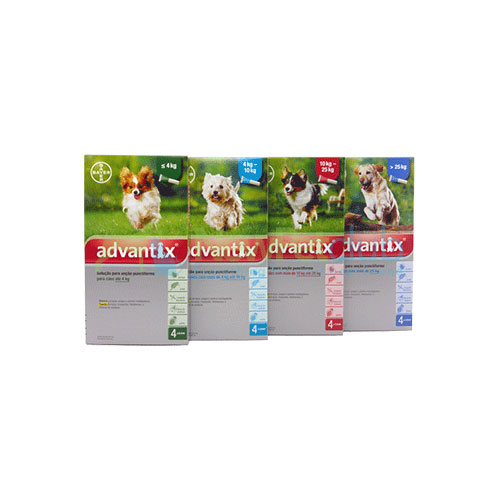 |
For dog: Advantix 4 pipettes - Up to 4 weeks of protection. |
 |
For dogs: Effitix spot on 4 pipettes - Up to 4 weeks of protection. |
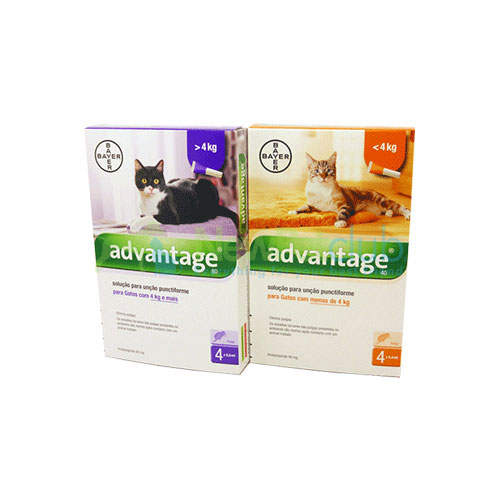 |
For cat: advantage - Up to 4 weeks of protection. |
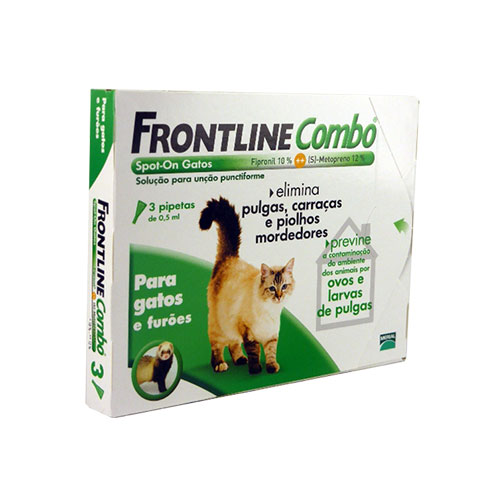 |
For cat: frontline combo - Offers protection against adult fleas, flea eggs and larvae, lice and ticks. |
Collars
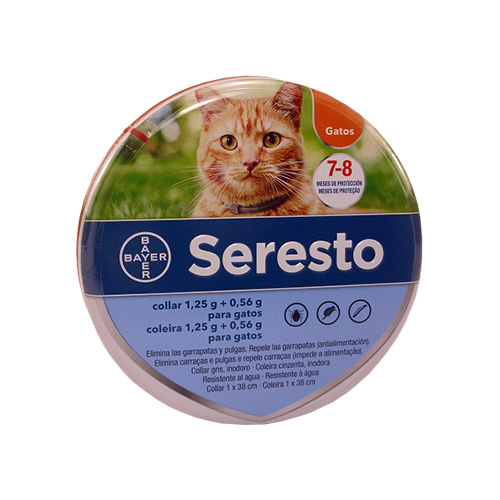 |
 |
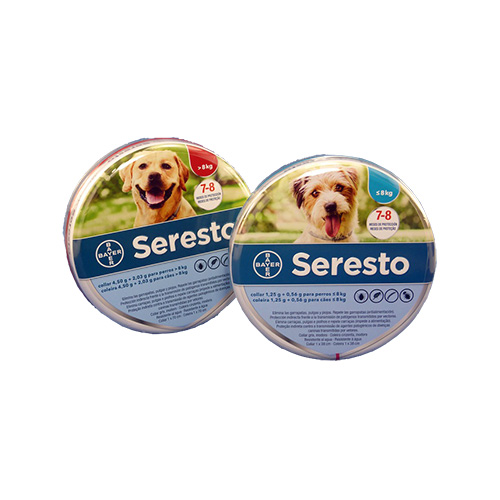 |
| Seresto Cat Collar Up to 8 months of protection Eliminates fleas and ticks repels ticks |
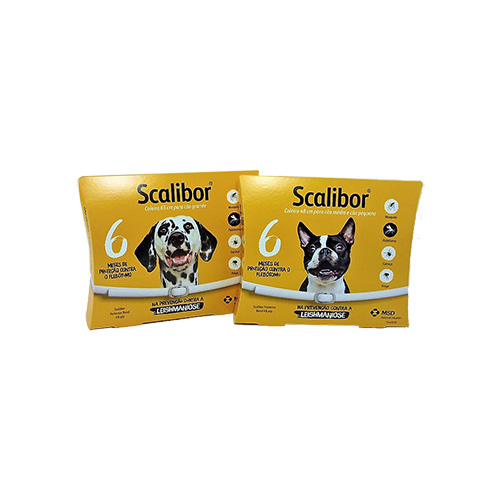
Scalibor dog collar Up to 6 months of protection Tick protection Protects from sandflies – Leishmaniasis Waterproof does not release odors |
Up to 8 months of protection Eliminates fleas and ticks repels ticks |
Sprays
 |
 |
|
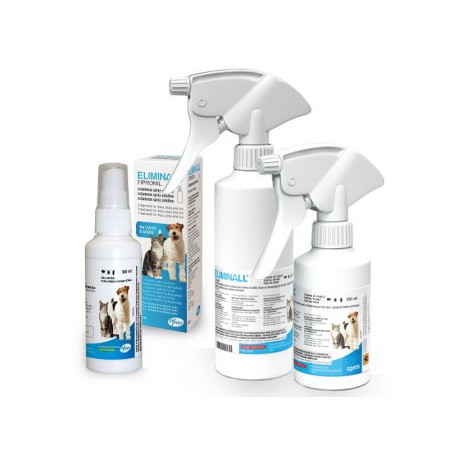
Eliminate spray Must be used once a month, all year round. |
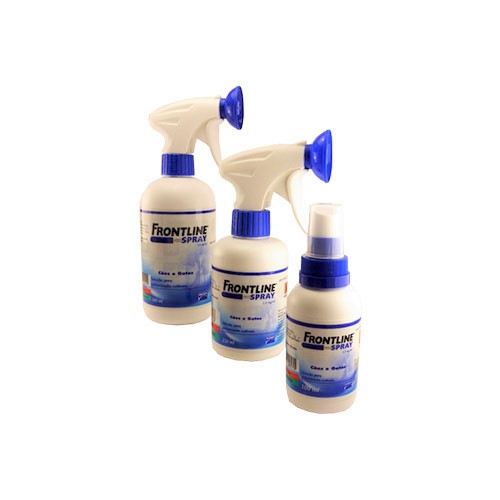
Frontline spray Can be used on dogs and cats from 2 days. |



 Free shipping in 24-48h for orders over 49 €!
  Client Support:
  WhatsApp