Facts about the persian cat
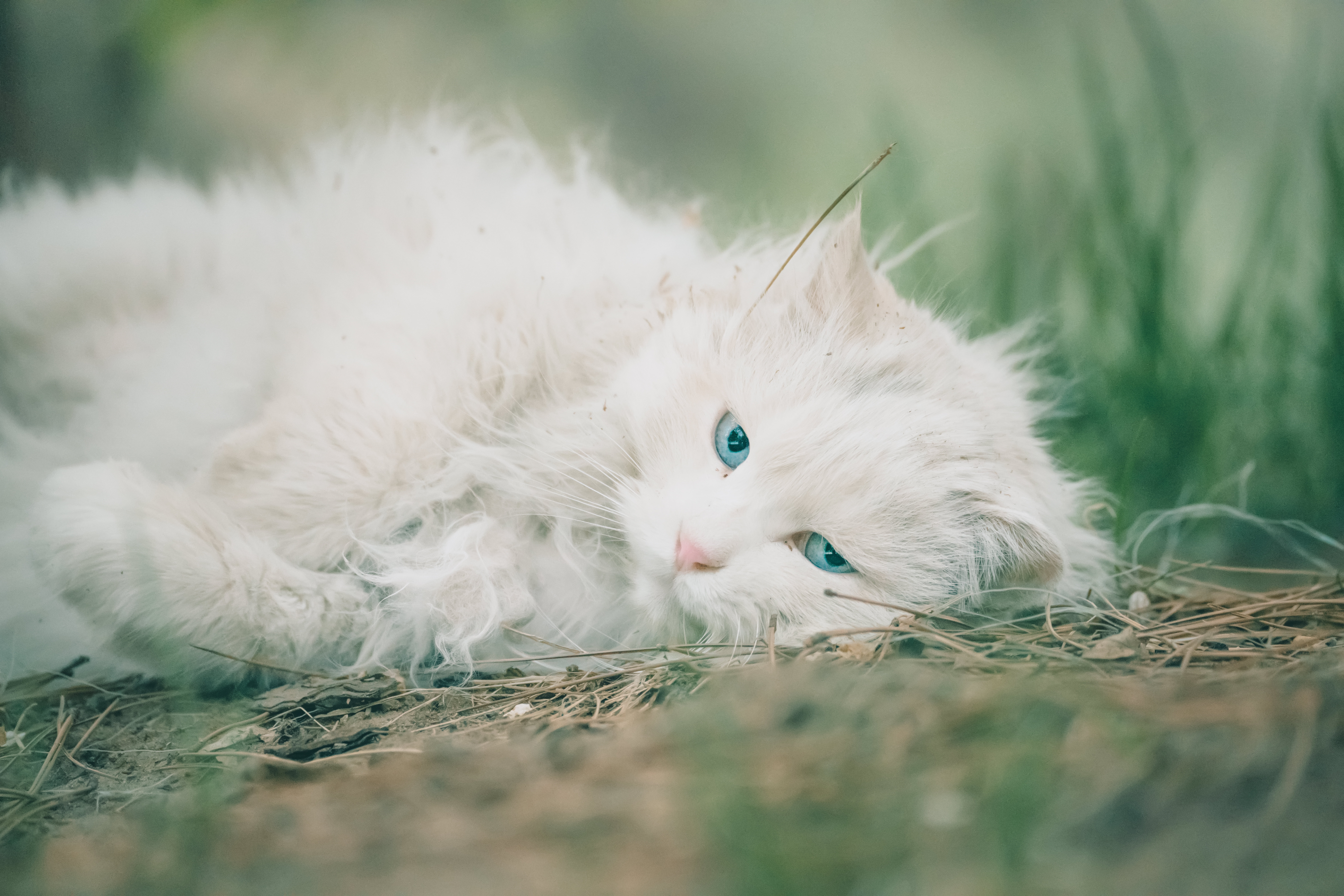
It is one of the most prestigious cat breeds in the world.
It stands out for its striking appearance, long fur and flattened muzzle.
Let's get to know Persian better. The cat that owes its name to the fascinating empire of ancient Persia.
provenance
Despite the name, there are no indications that the Persian Cat comes from the East.
In fact, these cats became popular pets in Britain, with indications appearing in Europe in the 16th century.
Books indicate that the Persian cat belonged to a group of cats known as "longhair", not previously having the Persian name.
The species evolved and gained new characteristics to the ones we know today.
This change is happening mainly due to the influence of the breeders of this breed.
Features
Size
They measure between 20 and 25 cm.
The weight of males varies between 4 and 6 kg while females weigh from 3 to 5.5 kg.
coat
It is a breed that presents a wide variety of colors.
It is characterized by having a very long and silky coat.
The maintenance of its coat is very difficult due to its long hair, easily forming knots.
Average life expectancy
The Persian Cat has an average life expectancy that varies between 12 and 17 years.
Behavior
They are quiet cats and get along very well in an apartment. Reasons why the Persian Cat is one of the favorite breeds of Europeans.
They like to be in their corner without many jokes, not needing much space to be happy.
They love to be pampered and are known for being very sweet, affectionate and intelligent.
The Persian Cat meows a lot from time to time and, when it happens, it does so quietly without disturbing owners or neighbors.
Even the calmest and most lazy Persian needs to go exploring, screwing and playing.
That's why a scratching post and toys are essential for this indoor cat.
Health
As a general rule, Persian cats are healthy, having some health problems mostly related to their physical characteristics.
Some health problems of these cats are hereditary, so they should be monitored from an early age.
fur balls
The famous hairballs, common in cats, are a constant in this breed, especially due to their long hair.
So that our animal doesn't get sick or have intestinal problems due to excess hairballs, we should try to brush it every day.
Breathing problems
The flat nose of these cats makes it difficult for them to breathe.
The Persian is more sensitive to cold, heat and humidity due to its small snout which, in addition to
of impairing the entry of air, makes our cat less active than other breeds.
polycystic kidney
The kidneys of Persian cats can develop cysts that grow if left untreated.
This problem can cause kidney failure, which is why it is important to have a blood test.
prevention all year.
Other precautions to be aware of
Persian cats need regular cleaning of eyes that water and stain their fur.


 Free shipping in 24-48h for orders over 49 €!
  Client Support:
  WhatsApp