“I have a 3-month-old Labrador who loves to gnaw on furniture corners.”

“I have a 3-month-old Labrador who loves to gnaw on furniture corners.
What can I do to stop gnawing on furniture?”
To discourage our little friends from gnawing on furniture at home, we have to keep two things in mind:
- Making our furniture unattractive to nibbles;
- Give entertainment alternatives so they don't miss chewing furniture.
Tip 1: Make furniture or any other household object unattractive to chew.
By using a repellent spray in the places where he likes to gnaw, we are making our pet feel more inhibited in destroying our furniture.
Even when you do, the unpleasant taste you will experience should be enough to make you not want to repeat the experience a second time.
Although there are specific anti-bite products to discourage our animal from gnawing, we can also use an anti-micturition product, which will do a 2 in 1: it repels our little friend from urinating in these unwanted places, also making the urge to to gnaw on these sites is thwarted.
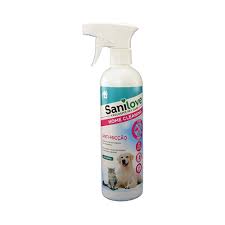
This training spray eliminates urine residue and helps dogs and cats learn not to urinate in unwanted areas.
In the same way, it helps that our little friends do not gnaw the area where the spray was placed .
It can be used inside and outside the house.
Tip 2: Have nice toys that make you forget about our furniture.
The fact that it is not desirable to chew furniture does not mean that our little friend loses the will to bite.
To help in this process, we must find alternatives so that he starts to be interested in other objects and loses the habit of gnawing what he shouldn't.
Giving them challenging toys is a good stimulus, helping them to have an activity that doesn't consist of destroying our home.

Beco Bone is an extra strong bone in natural rubber, scented with vanilla.
This bone has a perfect size hole to introduce our dog's favorite snacks .
Made of natural rubber, it also has the advantage of being a healthier, safer and more ethical toy, without compromising its durability.
Tip 3: Be persistent in implementing good habits, from an early age.
We cannot assume that our little friends' bad habits change overnight.
The trick here is to be persistent and not give up.
If we have an animal that, from an early age, has habits that we want to change, we must act as soon as possible.
It is much easier for them to learn and stop having certain behaviors when they are small.


 Free shipping in 24-48h for orders over 49 €!
  Client Support:
  WhatsApp