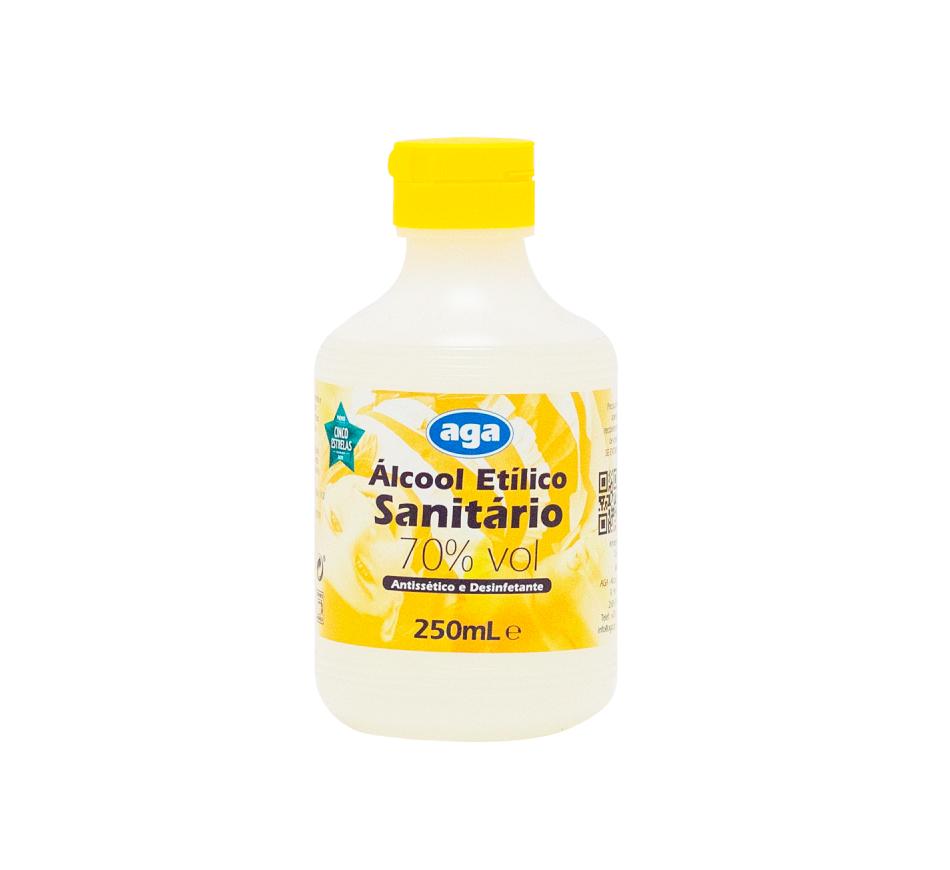
70% Ethyl Alcohol for Sanitizing | NewPet

Ethyl alcohol (ethanol) is considered an intermediate-level antiseptic and disinfectant.

It is not sporicidal and has no effect against hydrophilic viruses.

Ethyl alcohol is used in:

Disinfection of surfaces and instruments, furniture, thermometers, diaphragms, etc.
- Antisepsis of the skin and hands by healthcare professionals before injections and punctures, as well as disinfection in general.

Advantages of disinfection with 70% alcohol

Fast-acting bactericide.
- Mild irritant.
Low cost.
- Colorless and leaves no residue.
- Effective against Mycobacterium tuberculosis and virucidal (only for lipophilic viruses).

Mode of action:

70% alcohol (more hydrated) is a more effective bactericide than 96% alcohol because the degree of hydration is an important factor for antimicrobial activity.

With 70% alcohol, protein denaturation is more efficient in the presence of water, as it facilitates the entry of alcohol into the bacteria and also delays the volatilization of the alcohol, allowing for a longer contact time.

When 96% alcohol is used for disinfection, extremely rapid coagulation occurs, preventing penetration into the cell and therefore not killing the microbe. This ineffective performance is due to the rapid volatilization of ethanol at this concentration.

Do not apply:

- Mucous membranes, occlusive dressings (increase the risk of sensitization).
- Damaged tissues (ethyl alcohol can be irritating).
- Open wound (due to the risk of increasing the injury and promoting the formation of a clot on which bacteria can grow and cause the wound to suppurate).

You need to be authenticated and have bought this product so you can comment on it.
Brand
70% Ethyl Alcohol for Sanitizing
1,15 €
1 NewPet Points

Ethyl alcohol (ethanol) is considered an intermediate-level antiseptic and disinfectant.

From
1,15 €
x
Price
1,15 €
Volume
1 NewPet Points
Brand
70% Ethyl Alcohol for Sanitizing

Ethyl alcohol (ethanol) is considered an intermediate-level antiseptic and disinfectant.

1 NewPet Points

Ethyl alcohol (ethanol) is considered an intermediate-level antiseptic and disinfectant.

It is not sporicidal and has no effect against hydrophilic viruses.

Ethyl alcohol is used in:

Disinfection of surfaces and instruments, furniture, thermometers, diaphragms, etc.
- Antisepsis of the skin and hands by healthcare professionals before injections and punctures, as well as disinfection in general.

Advantages of disinfection with 70% alcohol

Fast-acting bactericide.
- Mild irritant.
Low cost.
- Colorless and leaves no residue.
- Effective against Mycobacterium tuberculosis and virucidal (only for lipophilic viruses).

Mode of action:

70% alcohol (more hydrated) is a more effective bactericide than 96% alcohol because the degree of hydration is an important factor for antimicrobial activity.

With 70% alcohol, protein denaturation is more efficient in the presence of water, as it facilitates the entry of alcohol into the bacteria and also delays the volatilization of the alcohol, allowing for a longer contact time.

When 96% alcohol is used for disinfection, extremely rapid coagulation occurs, preventing penetration into the cell and therefore not killing the microbe. This ineffective performance is due to the rapid volatilization of ethanol at this concentration.

Do not apply:

- Mucous membranes, occlusive dressings (increase the risk of sensitization).
- Damaged tissues (ethyl alcohol can be irritating).
- Open wound (due to the risk of increasing the injury and promoting the formation of a clot on which bacteria can grow and cause the wound to suppurate).

You need to be authenticated and have bought this product so you can comment on it.