External Deworming - Dogs

Deworming is one of the essential care that we must have with our pets. It is essential to maintain the health of animals, as well as ours, as parasites can infest us too, especially children, the elderly and people with immunosuppression (compromised immune defenses).
Preventive action is the best posture.
ticks
- Ticks are found in a variety of places, such as bushes and vegetation, in forested areas, on grass and in tall grass in fields, parks and gardens.
- Ticks climb to the top of leaves or grasses, where they wait for a possible host (dog) to pass.
- If our dog passes through the vegetation where the ticks are, they will cling to its fur and move to the skin.
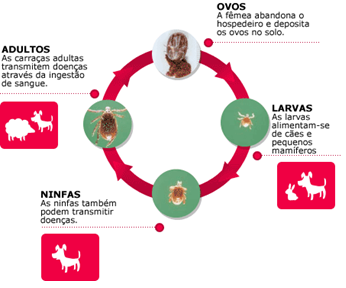
Tick bites cause stress and discomfort to our dog.
When an infected tick bites, it can transmit agents that can cause serious and potentially dangerous diseases for our dog.
Ticks can stay attached for days, but some dangerous diseases are transmitted almost immediately – which is why it is important to start by preventing your dog from biting.
how to remove ticks
- If we find a tick on our dog, we must remove it quickly and as safely as possible.
- With fine-tipped tweezers or a specific instrument for removing ticks, grasp the tick's head firmly at the point of attachment and as close to the skin as possible.
- Then we pull the tick from the skin with a slow, steady and firm pulling motion. With some instruments, it is recommended to pull the tick with a circular twisting motion.
- We should never squeeze the tick's body, as saliva can be injected into the animal while the tick is attached.
- After removing the tick, we have to clean the affected area with mild soap and water.
- If a small part of the tick separates, we have to remove it like a splinter.
- Observing the affected site for a few days after removing the tick is essential. In case of inflammation we should always contact our Veterinary Doctor.
fleas
Fleas can transmit tapeworm larvae and infectious agents .
A parasitic infestation can result in
- allergies
- irritations
- dermatitis
- slimming
- Diarrhea
- Hair loss in certain areas of the body
- Itching in the anal area, leads the animal to crawl, rubbing the anus on the floor. Small reservoirs of worm eggs are sometimes visible around the anus.
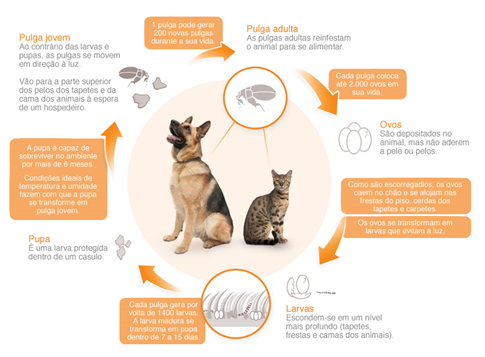
Why should we protect our dog from fleas?
- Flea bites are irritating and stress your dog. Inflammation of the skin due to flea saliva (known as FAD – flea allergy dermatitis) is one of the most common causes of veterinary visits to dogs.
- But it's not all. Fleas can transmit dangerous diseases to our dog, including taeniasis and bartolenosis. If flea infestations are severe, fleas can cause anemia.
- Fleas can also bite humans and, if they are inside our homes, they can be very difficult to eradicate. Therefore, it is very important to protect our dog against fleas.
How dogs catch fleas
- Our dog can easily catch fleas outside or through contact with other animals. When fleas are already inside our house, it is difficult to get rid of them.
- After biting our dog, the fleas begin to lay eggs. Flea eggs fall from the dog's fur and begin to develop in the environment – for example on beds, rugs or sofas. Once developed, these new fleas jump back to our dog and the cycle continues – this is where the real problem begins, as the infestation is established in our home.
- If we find fleas on our dog, there is probably an established infestation in the surroundings (and in our home), as the stages of development of new fleas occur in the animal's environment.
Mosquitoes / Sandflies
Sandflies are small insects, similar to mosquitoes, widely distributed in areas of sandy soils in temperate, subtropical and tropical climates. Only the female sand fly stings and 'sucks' the blood to develop the eggs. Sandflies can transmit leishmaniasis to our dog, a serious, potentially fatal disease.
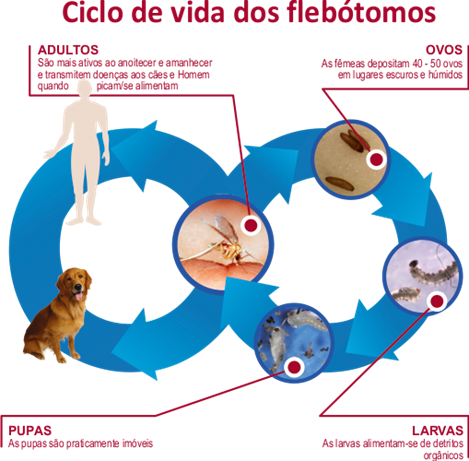
How is leishmaniasis transmitted?
Is leishmaniasis transmissible to humans?
- A sand fly stinging a dog with leishmania and becoming infected when it feeds on blood
- Allow approximately a week for the leishmania found in sandflies to become infectious
- That same sand fly biting a person
- The person's immune system is weakened
Prevention
Recommended Products
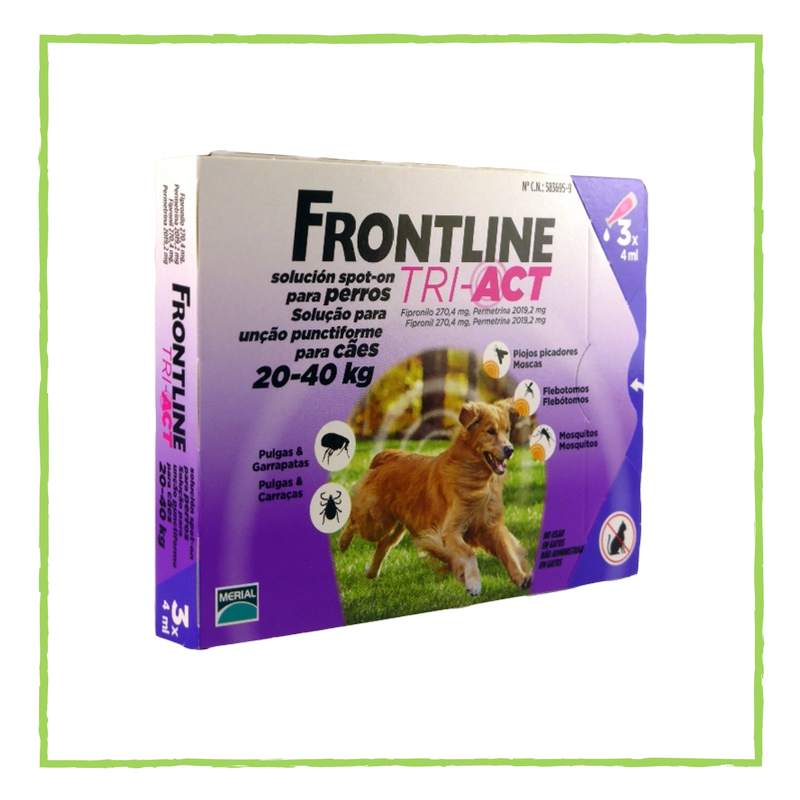
These are some products that we recommend for external deworming of dogs:
Spot-On Pipettes
 |  |  |
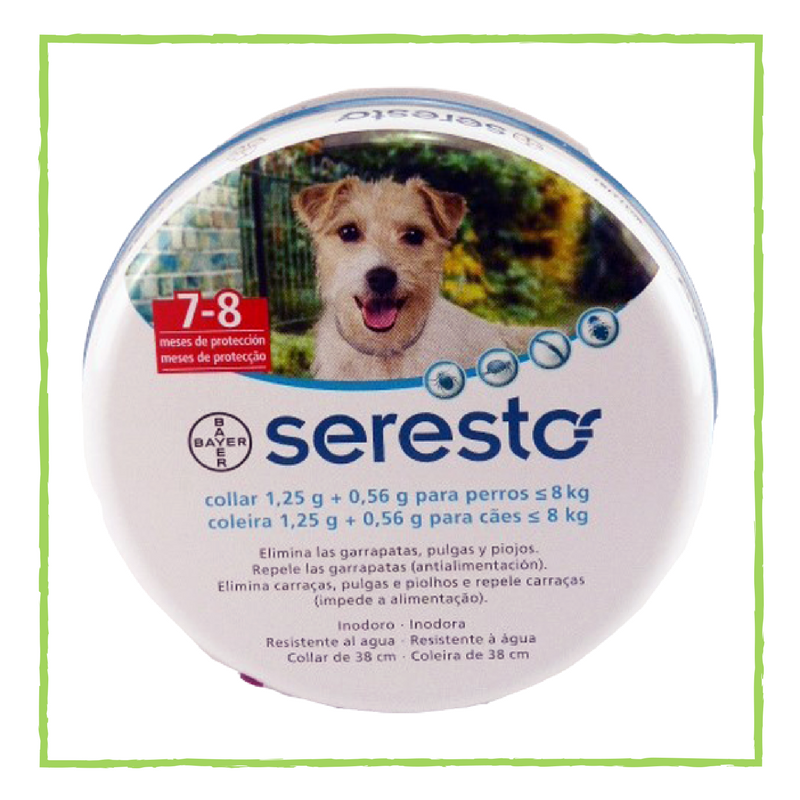
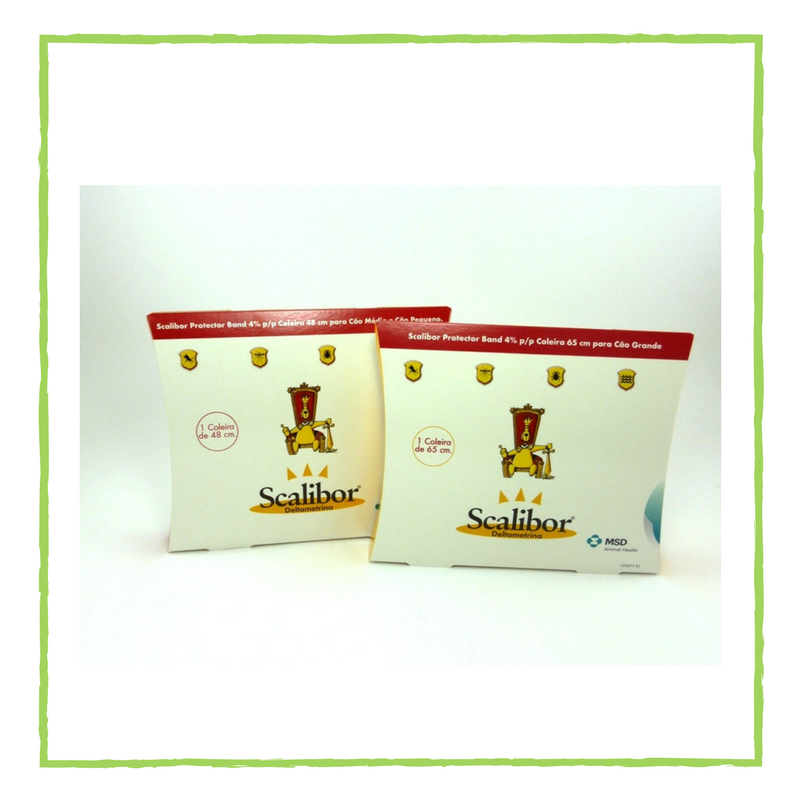
collars
 |  |
Find all external dewormers for dogs here .



 Free shipping in 24-48h for orders over 49 €!
  Client Support:
  WhatsApp