Renal insufficiency

Kidney diseases are quite common, both in cats and dogs, being more common when our friends are old enough. This problem can happen in an acute – sudden, fast and aggressive – or chronic – progressive, but slow way that becomes a problem for the rest of our little friends' lives.
About 60% of elderly cats suffer from kidney problems.
When we have a cat with kidney problems, symptoms usually only start to appear when at least 75% of their kidneys are no longer working properly. Until then, the disease evolves without us realizing it.
If we have a dog , it is also necessary to be attentive. Despite being more common in cats, dogs can have urinary problems, such as bladder stones and urinary tract infection.
Symptoms
These are the main symptoms to be aware of to prevent kidney disease:
- Weight loss
- Thirst increase
- Increased volume of urine
- decreased appetite
- Diarrhea
- vomit
- hair loss
- urine with blood
During the initial phase of the disease, our little friends show few or no symptoms at all. But with the progress of the problem and age, our animal begins to feel more thirsty and to produce more urine, being these indicators of the attempt of the kidneys to function.
Later, vomiting, lack of appetite and weight loss may begin. In more terminal cases, it is likely that we will begin to see the condition of our animal worsen, and may present weakness, depression, convulsions and hemorrhages, as other organs of the body begin to be affected.
Diagnosis
As always, the best is always prevention . Regular check-ups at the vet – once a year – is a good practice to keep our animals' health under surveillance.
If we begin to suspect the disease in our little friend, we should take him to the vet in order to carry out blood and urine tests, and measure his blood pressure.
Treatment
If it is confirmed that our animal has kidney problems, treatment must be carried out, always indicated by the veterinarian , in order to evaluate the degree and evolution of the disease, in order to give our little friend the best possible treatment.
Food is also an important factor in treatment. Diets high in protein or high in phosphorus are harmful, helping kidney disease to progress. In this case, our little friend must eat specific food, recommended by the vet.
Drinking water constantly is one of the best habits that our little friends should get used to since forever to prevent this type of problem.
Promoting a healthy lifestyle, encouraging physical activity in our animals, is also an important measure that will improve their lives.
In cases of bladder stone, surgery may be the best option, as there are not many treatment alternatives for our animals.
recommended products
There are several ways to help our furry friends with kidney failure problems.
We must always keep in mind that the recommendations of our animal's veterinarian are always the best way to give our little friend the best possible quality of life.
Here we have some suggestions for products that will help our animals.
Portion
When our animal has kidney problems, one of the changes that is necessary is its diet. We must bet on specific food and that is advised by the veterinarian.
These are some of the suggestions we have:
For dogs: Clinical diet to help manage chronic renal failure and its complications in adult and aging dogs. Helps protect against progressive kidney damage, hyperphosphatemia and hyperparathyroidism.
 |  |
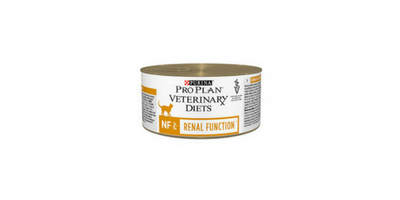
For cats: Clinical diet to help manage chronic renal failure and its complications in adult cats, control intestinal disorders in cats of all ages and help manage diabetes mellitus in adult cats.
 |  |
supplements
Supplements serve to complement our animal's diet, in order to avoid nutritional deficiencies or help in the better functioning of the organs, giving a better quality of life to our bigeyes.
Of the various supplements we have available for dogs and cats , these are some of our suggestions:
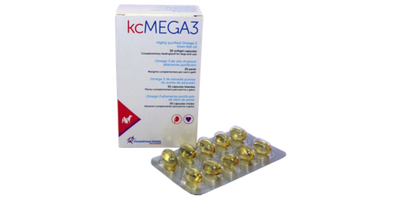 | 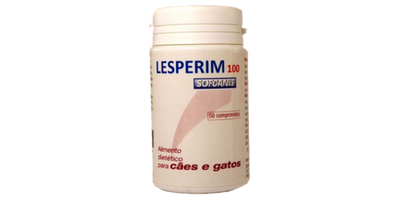 | 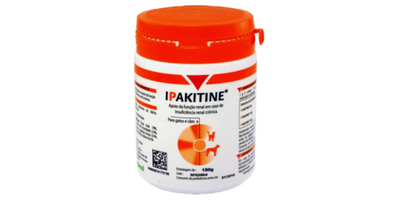 |
| Recommended in the case of CKD, associated with a renal diet. High concentrations of Omega 3 fatty acids are also indicated in case of cardiovascular diseases, due to their antithrombotic, antiarrhythmic and antihypertensive effects. | Dietary food based on lespedeza capitata extracts for dogs and cats. Supplementation of the daily diet with dry extracts of lespedeza capitata favors the elimination of nitrogen metabolites, without disturbing the ionic balance. | Therapeutic nutritional supplement that supports good kidney function in case of chronic renal failure in dogs and cats. It is composed of chitosan and calcium carbonate, with a high nephroprotective efficacy and has no side effects for the indicated doses. |


 Free shipping in 24-48h for orders over 49 €!
  Client Support:
  WhatsApp