Welfare | NewPet

VECTRA 3D and VECTRA FELIS: State-of-the-art protection for dogs and cats
Submitted by bruna on

Anyone who has a pet knows that their health and well-being always come first.
Preventing external parasites, such as fleas, ticks, and mosquitoes, is essential not only for the comfort of our companions, but also to avoid serious diseases that can be transmitted by these insects.

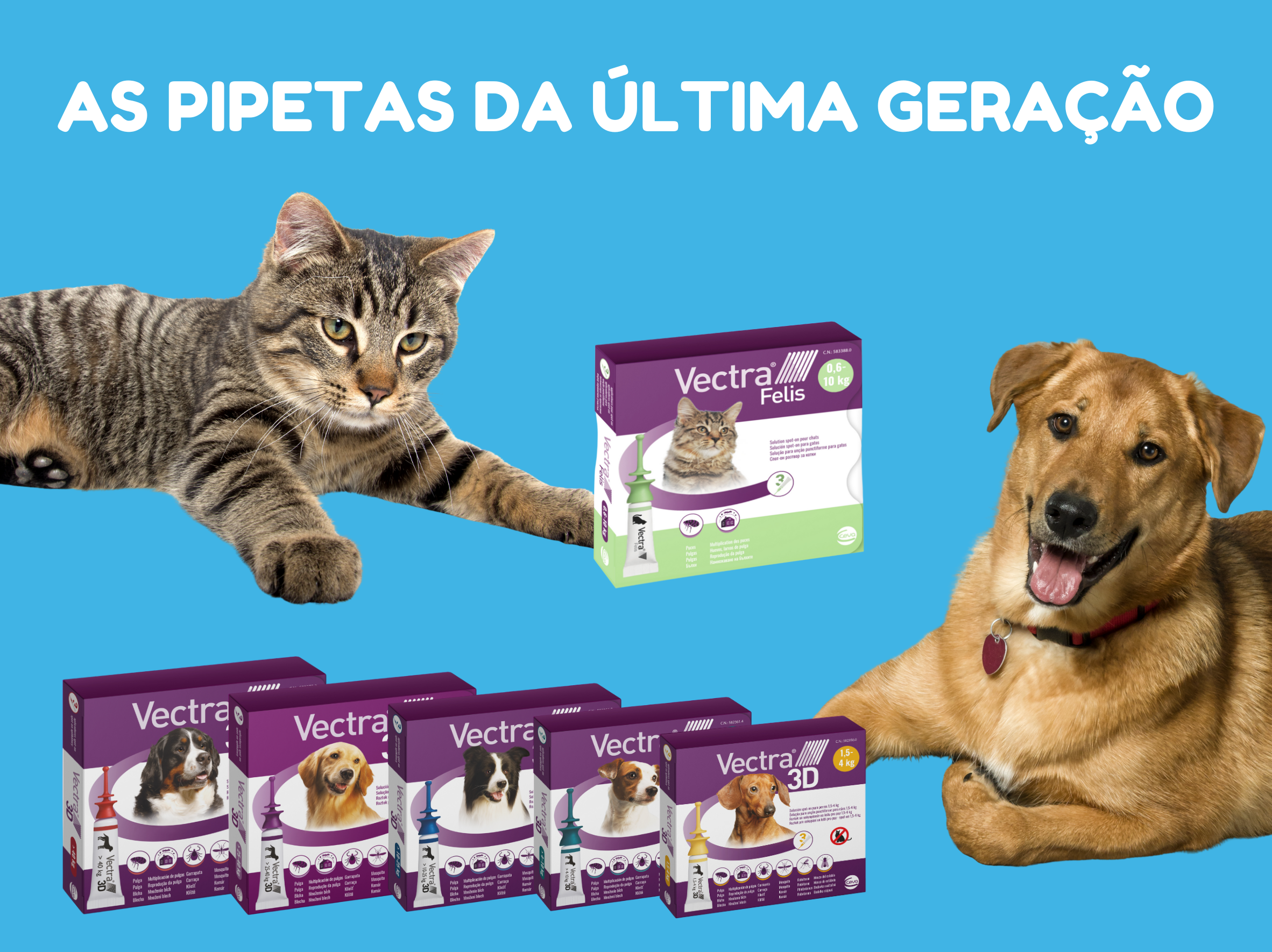
It's in this context that VECTRA 3D and VECTRA FELIS emerge, next-generation pipettes developed to offer advanced, practical, and effective protection. These products were specially designed to meet the specific needs of dogs and cats, providing a powerful barrier against the main parasites that threaten the health of our four-legged friends.

More than just antiparasitics, VECTRA pipettes stand out for their innovative technology, fast and long-lasting action, ensuring peace of mind for owners and a better quality of life for animals.


Vecta 3D

THE LATEST GENERATION PIPETTE THAT REPELLS AND KILLS PARASITES BEFORE THEY BITE

  • Repels and kills parasites
  • Fleas, ticks, mosquitoes and more…
  • Easy to apply differentiating pipette
  • Water resistant
  • Protection for 1 full month

Vectra 3D provides a strong repellent effect thanks to its unique composition. It acts directly on your dog's fur and skin.
By simple contact, the parasites are repelled and die without biting.

Vectra 3D has a patented applicator, elongated to move the hair away for easy application to the skin.

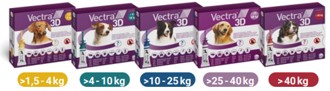
CHOOSE THE RIGHT PIPETTE FOR EACH DOG'S SIZE AND WEIGHT
Vectra 3D - Options

SEE PIPETTES


Vecta Felis

THE LATEST GENERATION PIPETTE THAT KEEPS YOUR CAT AND YOUR HOUSE FREE OF FLEAS

  • Kills fleas in 2 hours
  • Eliminates eggs, larvae and pupae from the environment for 3 months
  • Easy to apply differentiating pipette
  • 1 month protection against fleas

Vectra Felis acts directly on the fur. Fleas die quickly through simple contact without biting.

Vectra Felis has a patented applicator, elongated to move the hair away for easy application to the skin.

PIPETTE WITH SINGLE PRESENTATION
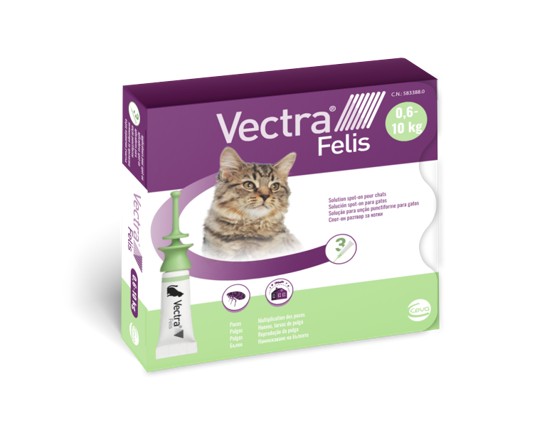
Vecta Felis

SEE PIPETTES

Bea Lopes
NewPet Team

Oral health

Submitted by info on

Despite being often undervalued, our animal's oral hygiene is very important for its life. Over time, owners begin to notice that the dog or cat has bad breath and this may be the only sign that the animal has oral problems.

Oral disease in animals is probably as common and painful as it is in humans. Tartared teeth are not only harmful to our pet's mouth. Bacteria found in the mouth can enter the bloodstream and reach various organs: heart, liver, kidneys, among others.


Diseases and alerts:

These are the main problems that can affect the mouth of our friends, and what we should do to solve, prevent or minimize these situations.

Oral Diseases:

  • Dental Plaque – Dogs and cats rarely have cavities, but they easily accumulate excess tartar on their teeth. Plaque is formed with the accumulation of food debris and bacteria along the gum line.
  • Tartar – The plaque mineralizes and turns into tartar after 24/48 hours. When the plaque takes on a yellowish or brownish color, we can speak of tartar. Tartar can only be removed by professional cleaning.
  • Gingivitis – Inflammation of the gums that causes pain and redness.
  • Periodontal Disease – It is the result of a bad mouth, causing pain, loss of teeth, abscesses and bone infections. It results from the accumulation of tartar that will destroy the tissues and separate the gum from the tooth. If properly treated, the progression of this disease can be prevented. It is more common in small breeds such as the Yorkshire Terrier, Pincher, Chihuahua or Poodle, among others. Its appearance is also more frequent in senior dogs of all breeds and in cats.

Warning Signs to take into account :

  • Bad breath (halitosis)
  • reluctance to gnaw
  • Excessive Salivation
  • Red or swollen gums with blood
  • Yellow or brown teeth
  • teeth fall out
  • loss of appetite

habits to have

There are small habits that we can have from the beginning of the animal's life to avoid problems:

  • Brush your pet's teeth daily : You can use your own toothbrushes or not, as long as they are very soft. As for toothpastes, toothpaste suitable for animals should be used as human toothpaste contains a level of fluoride that can be toxic to animals. In dogs that are not used to these routines, we should start with an eraser that is applied to the finger, but as dogs generally like the taste of toothpaste, it is not difficult to get them to accept the brush. The secret is to make this procedure a fun time with our friend.
  • Check-Up : The animal must go to the vet every year (in the case of elderly animals twice a year), for a general health check-up. Among other points, the examination includes observation of the oral cavity and depending on the general condition of the teeth and gums, a specific treatment may be recommended.
  • Professional Cleaning (Scaling and Polishing) : As soon as the tartar builds up, the animal needs a scaling. This is a veterinary procedure performed solely under general anesthesia to avoid any painful sensations and stress associated with the use of ultrasound. At the end of the process, the teeth are usually polished to prevent the bacteria present in the mouth from adhering to the surface of the tooth again.
  • Adequate food : In addition to these care, it is essential that the animal has a balanced diet based on dry food, since the chewing of croquettes has an abrasive effect on the surface of the tooth and is less susceptible to leaving traces of food accumulated between the teeth. compared to wet food (cans) or homemade food.
  • Other aids for the oral health of our friends : When daily brushing is not a practical option, there are other methods that allow you to maintain the oral health of animals, such as:

    • Specific chewing sticks for tartar prevention;
    • Specific elixir for animals;
    • Powder to mix in the specific food to prevent the formation of bacterial plaque;
    • Specific diets to prevent the formation of tartar;
    • There are several toys available on the market designed to combat the formation of plaque and tartar that are much appreciated by animals like any other toy. We should not give our pet toys that are abrasive or too hard, as they can wear out too much or even break their teeth.

Dental care prevents diseases, and therefore the costs inherent in their treatment.

With this care, we are not just giving your pet a healthy mouth, we are giving it health to the whole organism.


recommended products

All available oral health products for dogs and cats .

Bruna Fernandes
NewPet Team

Pine caterpillar

Submitted by info on

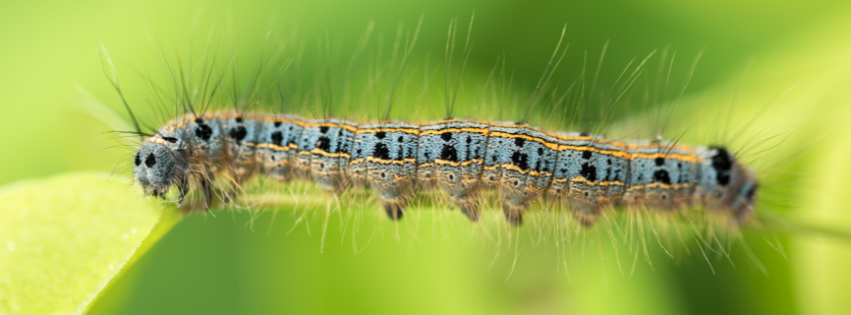
For those who don't know, the pine caterpillar is an insect whose main host is the pine (tame or wild).

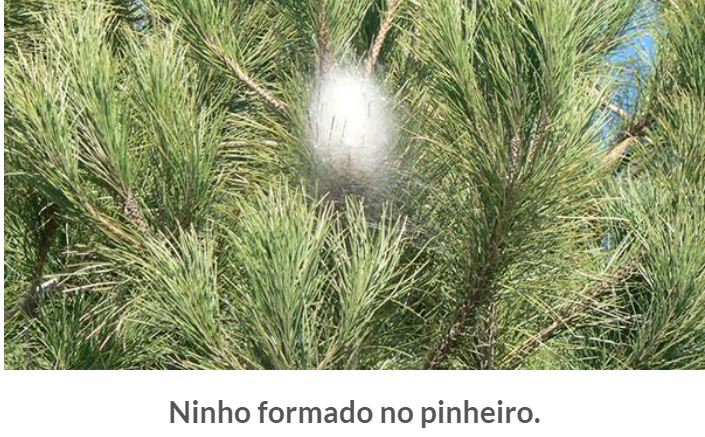
Between January and May, they leave the pine tree to bury themselves in the ground to continue their development and between August and September the caterpillars are born, which gather in nests in the pine tree canopy.

For this reason, the time of greatest frequency of problems due to contact with the pine caterpillar in our animals is the beginning of spring, when the insects fall from the trees and burrow into the ground.


We must be attentive to find out if our animal has had contact with one of these insects, which can cause serious problems.

These caterpillars, due to their receptacles with stinging hairs, are quite harmful as they inject toxic substances into the skin or mucous membranes, causing hypersensitivity reactions, which can cause necrosis or even be fatal. For this reason, when we see pine caterpillar nests, we must take the necessary control measures.


How to know if our animal licked or was bitten by the pine caterpillar?

main symptoms

  • Increase in the volume of the tongue (the most affected organ) that may turn bluish and with the evolution areas of necrosis appear;
  • Facial swelling (swollen muzzle);
  • Excessive salivation;
  • Difficulty ingesting;
  • Intense itching of the face;
  • vomiting;
  • Apathy;
  • Lack of appetite;
  • Difficulty picking up food.

But attention, if we suspect that our animal has licked or been bitten by a pine caterpillar, we must go to the veterinarian immediately . In this case, early assistance may be essential.

Bruna Fernandes
NewPet Team

Heat stroke: How to protect our animal

Submitted by info on

Every year, in the summer season, there are cases of heat stroke, which is one of the fatal causes of our pets.

High temperatures can cause the body temperature to rise above normal – reaching over 40ºC – causing our animal to absorb more heat than it can dissipate, which can lead to multiple organ failure and, consequently, death.

Unlike humans, dogs do not sweat through their skin.

To maintain its body temperature, the dog usually looks for cool surfaces or shady places. When it cannot do this, pulmonary ventilation increases and the dog breathes in panting – it begins to pant. Unfortunately this cooling mechanism is much less effective than perspiration.


On high temperature days, there are recommendations that we must take into account and that, in addition to helping our animal to tolerate high temperatures better, can save its life:

  1. Always have clean and fresh water available;
  2. Maintain air circulation or ventilation in the places where we have our pet (inside the house, in the car, etc.);
  3. Always provide shade in places of rest (balconies without a place of shade are prohibitive when the heat is unbearable);
  4. Never leave our pet alone in the car in the sun or with the windows closed;
  5. During a car trip, we must keep the windows open for air to circulate or keep the air conditioning on. In addition to these precautions, we must stop at least every 2 hours so that our friend can drink some fresh water;
  6. We must never leave our animal stuck in the sun, without having any shade available;
  7. We cannot exercise the animal during the hottest hours – between 11 am and 5 pm.


The animals most susceptible to heat stroke are:

  • Very young animals or with an advanced age;
  • The flat-nosed breeds – such as the French or English bulldog – because they cannot ventilate as efficiently;
  • Long and/or thick fur animals;
  • Overweight animals;
  • Animals that have heart, vascular or respiratory problems.

We should never leave our animal exposed to the sun or closed in a hot place!


These are the signs that we should be aware of in our animal:

  1. Hypersalivation – when our dog drools a lot;
  2. Panting – when our dog starts panting non-stop;
  3. The dog's skin is too hot;
  4. When the dog has an accelerated heartbeat;
  5. The dog's rectal temperature is elevated;
  6. When our dog is tired and has muscle weakness or was almost without reaction (shock), most likely he has a heat stroke. Faced with this situation, we must wet his whole body with cold water – but not ice cold – to try to cool him down or wrap him in wet towels and take him to the vet as soon as possible, as his life could be at risk.

We must always remember that heat stroke is a veterinary emergency.

If we do not ignore these recommendations, we will have a happy summer with our partner.

Bruna Fernandes
NewPet Team

Renal insufficiency

Submitted by info on

Kidney diseases are quite common, both in cats and dogs, being more common when our friends are old enough. This problem can happen in an acute – sudden, fast and aggressive – or chronic – progressive, but slow way that becomes a problem for the rest of our little friends' lives.

About 60% of elderly cats suffer from kidney problems.

When we have a cat with kidney problems, symptoms usually only start to appear when at least 75% of their kidneys are no longer working properly. Until then, the disease evolves without us realizing it.

If we have a dog , it is also necessary to be attentive. Despite being more common in cats, dogs can have urinary problems, such as bladder stones and urinary tract infection.


Symptoms

These are the main symptoms to be aware of to prevent kidney disease:

  • Weight loss
  • Thirst increase
  • Increased volume of urine
  • decreased appetite
  • Diarrhea
  • vomit
  • hair loss
  • urine with blood

During the initial phase of the disease, our little friends show few or no symptoms at all. But with the progress of the problem and age, our animal begins to feel more thirsty and to produce more urine, being these indicators of the attempt of the kidneys to function.

Later, vomiting, lack of appetite and weight loss may begin. In more terminal cases, it is likely that we will begin to see the condition of our animal worsen, and may present weakness, depression, convulsions and hemorrhages, as other organs of the body begin to be affected.


Diagnosis

As always, the best is always prevention . Regular check-ups at the vet – once a year – is a good practice to keep our animals' health under surveillance.

If we begin to suspect the disease in our little friend, we should take him to the vet in order to carry out blood and urine tests, and measure his blood pressure.


Treatment

If it is confirmed that our animal has kidney problems, treatment must be carried out, always indicated by the veterinarian , in order to evaluate the degree and evolution of the disease, in order to give our little friend the best possible treatment.

Food is also an important factor in treatment. Diets high in protein or high in phosphorus are harmful, helping kidney disease to progress. In this case, our little friend must eat specific food, recommended by the vet.

Drinking water constantly is one of the best habits that our little friends should get used to since forever to prevent this type of problem.

Promoting a healthy lifestyle, encouraging physical activity in our animals, is also an important measure that will improve their lives.

In cases of bladder stone, surgery may be the best option, as there are not many treatment alternatives for our animals.


recommended products

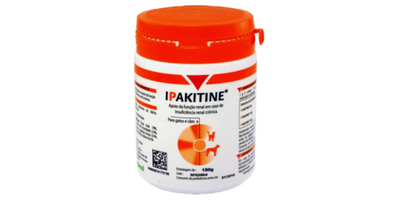
There are several ways to help our furry friends with kidney failure problems.

We must always keep in mind that the recommendations of our animal's veterinarian are always the best way to give our little friend the best possible quality of life.

Here we have some suggestions for products that will help our animals.


Portion

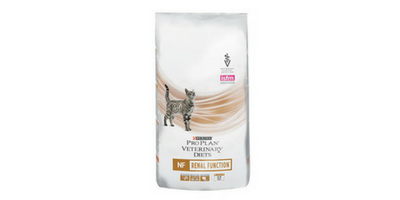
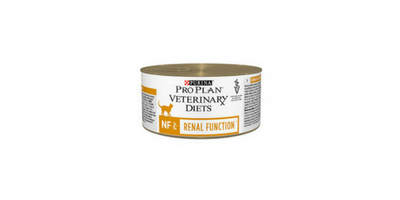
When our animal has kidney problems, one of the changes that is necessary is its diet. We must bet on specific food and that is advised by the veterinarian.

These are some of the suggestions we have:

For dogs: Clinical diet to help manage chronic renal failure and its complications in adult and aging dogs. Helps protect against progressive kidney damage, hyperphosphatemia and hyperparathyroidism.


For cats: Clinical diet to help manage chronic renal failure and its complications in adult cats, control intestinal disorders in cats of all ages and help manage diabetes mellitus in adult cats.


supplements

Supplements serve to complement our animal's diet, in order to avoid nutritional deficiencies or help in the better functioning of the organs, giving a better quality of life to our bigeyes.

Of the various supplements we have available for dogs and cats , these are some of our suggestions:

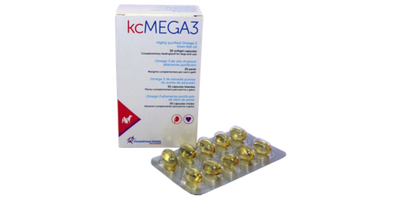
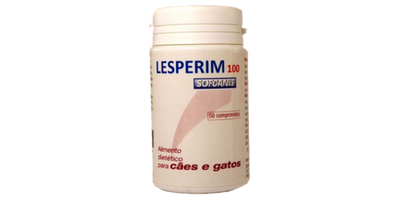
Recommended in the case of CKD, associated with a renal diet. High concentrations of Omega 3 fatty acids are also indicated in case of cardiovascular diseases, due to their antithrombotic, antiarrhythmic and antihypertensive effects. Dietary food based on lespedeza capitata extracts for dogs and cats. Supplementation of the daily diet with dry extracts of lespedeza capitata favors the elimination of nitrogen metabolites, without disturbing the ionic balance. Therapeutic nutritional supplement that supports good kidney function in case of chronic renal failure in dogs and cats. It is composed of chitosan and calcium carbonate, with a high nephroprotective efficacy and has no side effects for the indicated doses.
Bruna Fernandes
NewPet Team

Prohibited Foods for Dogs and Cats

Submitted by info on

With the season of food excesses at the door, it is important to be aware that there are foods that are bad for our little friends.

Discover some foods that are harmful to both dogs and cats.


Caffeine

Coffee stimulates the nervous system.

Although, for us, it can be an advantage, in cats it can cause tachycardia and in dogs it can lead to a heart attack or convulsion, running the risk of being fatal.

We should be aware that, in addition to tea and coffee, caffeine can be found in cocoa, chocolate, soft drinks, some cold medicines and pain relievers.


Bones

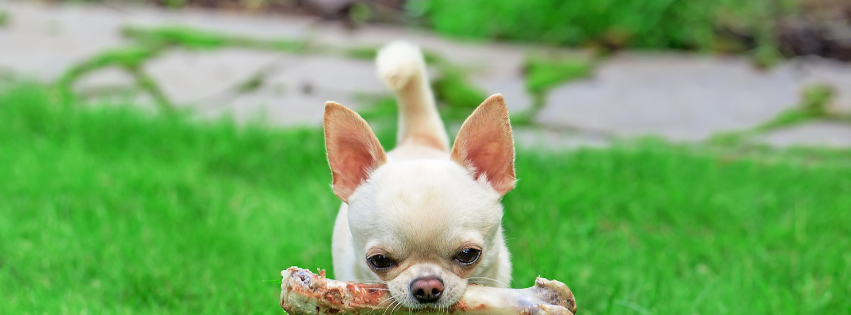
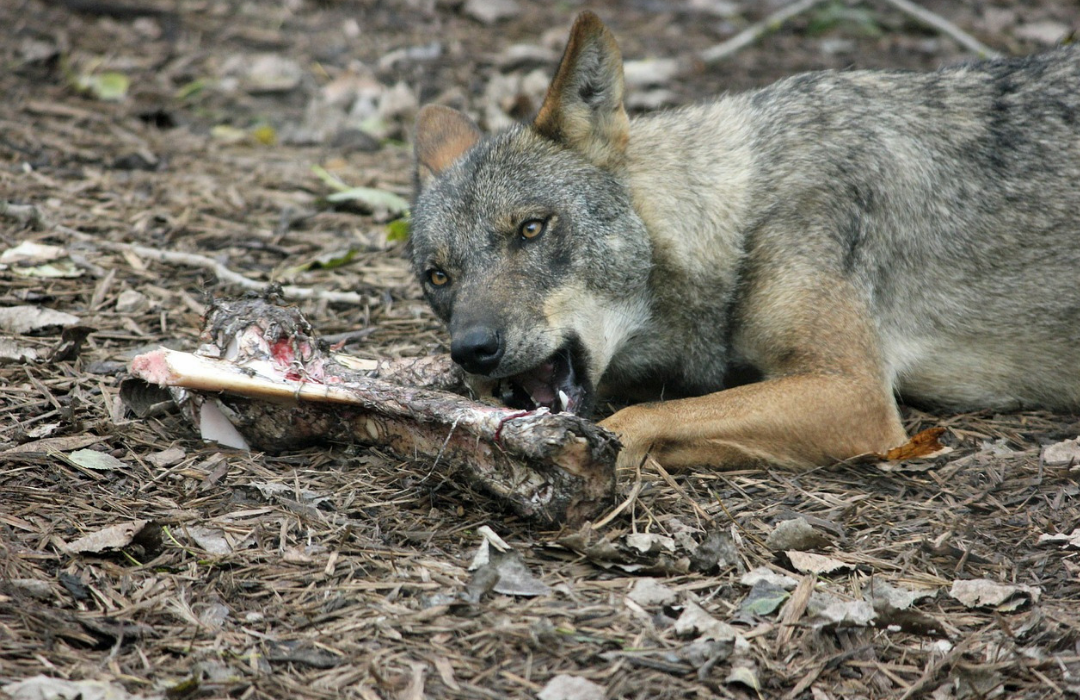
Bones can be quite dangerous for both dogs and cats. Especially if they are hollow inside, like chickens.

They can cause serious damage, such as puncturing the esophagus, stomach or even the intestine, which can block one of these organs.

We should just give them bones of our own.


Garlic and onion

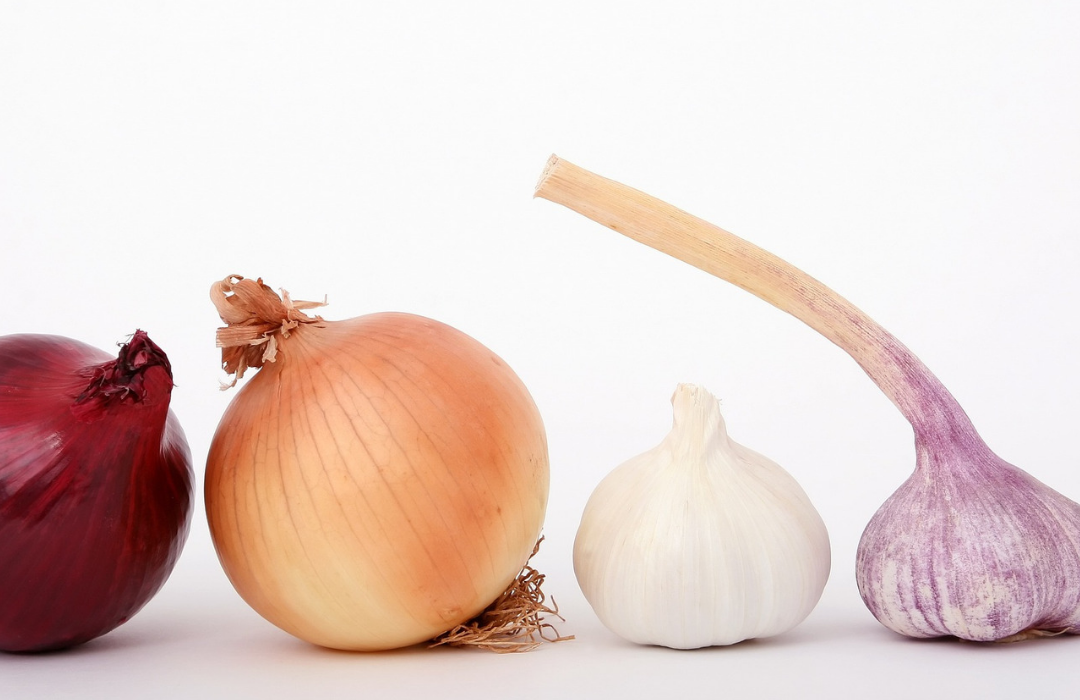
Despite being foods widely used in the preparation of our food, the truth is that garlic and onions are highly harmful to dogs and cats.

These foods have in their composition a substance that destroys the red blood cells of our little friends, which can cause anemia.

The symptoms of anemia are difficult to detect, we must be aware and take them to the vet in case of suspicion.


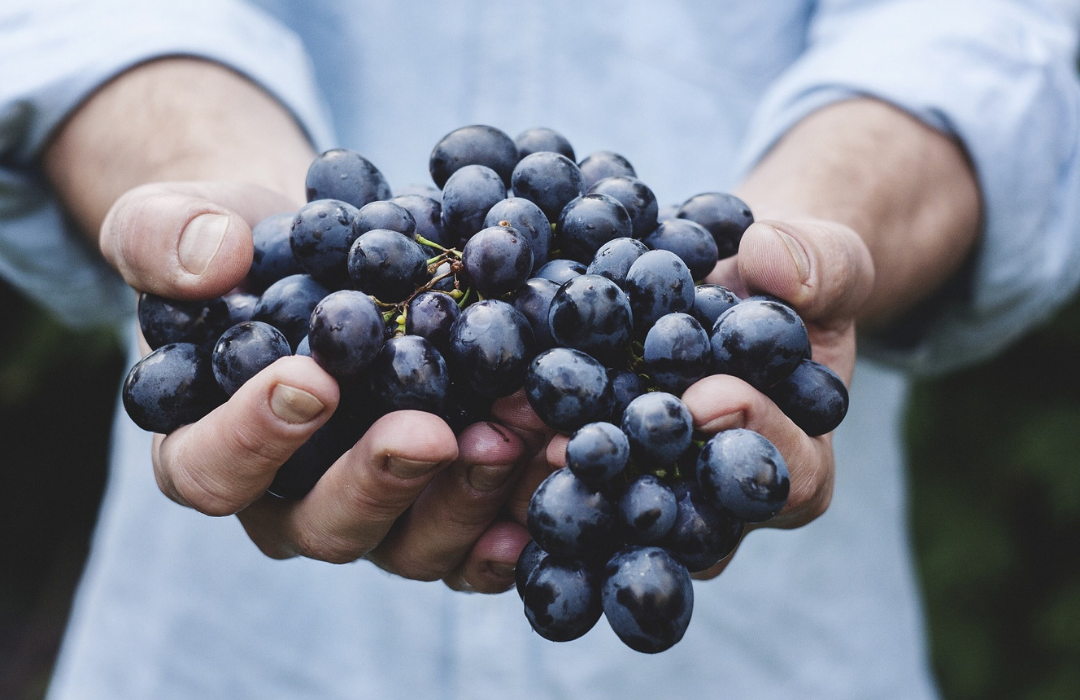
Grape

This fruit has a substance that is toxic to dogs and cats.

If they eat regularly, it is possible that our little friends suffer from kidney failure.

After eating grapes, the symptoms they usually present are vomiting, hyperactivity or diarrhea. In the most severe cases, the kidneys can start to stop working and they stop eating, drinking water and having abdominal pain.


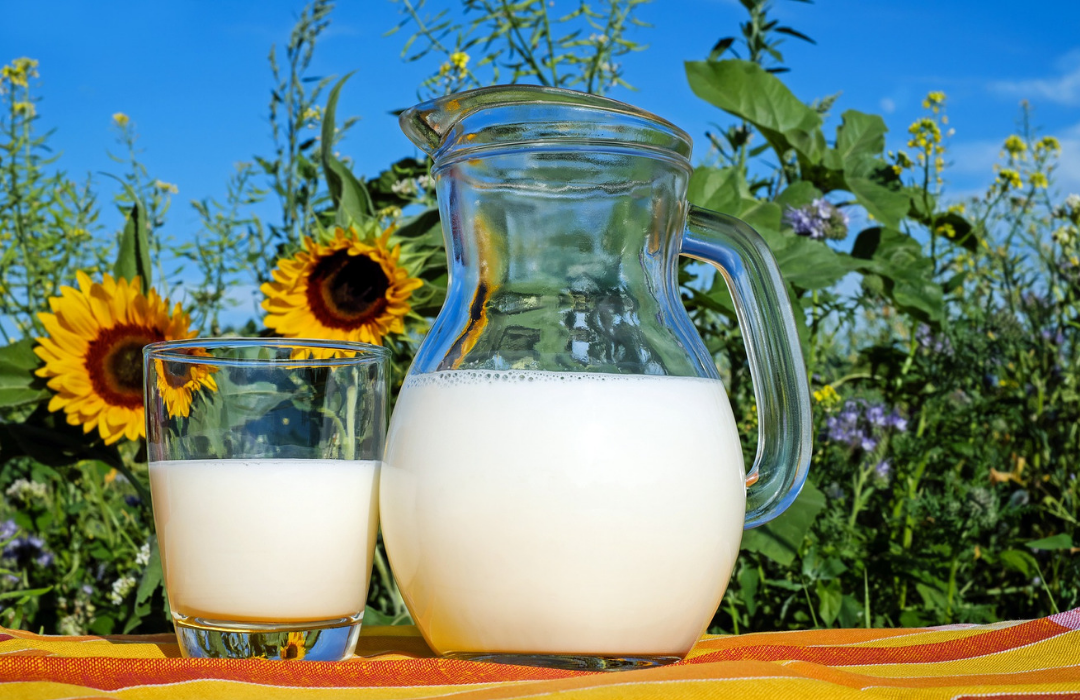
Milk

Both dogs and cats drink breast milk when they are born. But after weaning, milk is no longer necessary for both.

As adults, drinking milk or dairy products can cause diarrhea and other digestive problems.

So you already know: no ice cream for our bigeyes!


The best food for our little friends is the one developed for them.

We can also make homemade food for them, following our own recipes with suitable ingredients.

There are books with recipes for dogs and cats or we can even ask our vet.

Bruna Fernandes
NewPet Team