Curiosities | NewPet

Professions for Dogs
Submitted by info on

There are those who argue that dogs feel happier having a job, an objective that gives them a sense of usefulness.

The German Shepherd, the Golden Retriever and the Border Collie are examples of intelligent breeds with great aptitude for a certain function.

Discover some of the most common professions performed by our little friends.
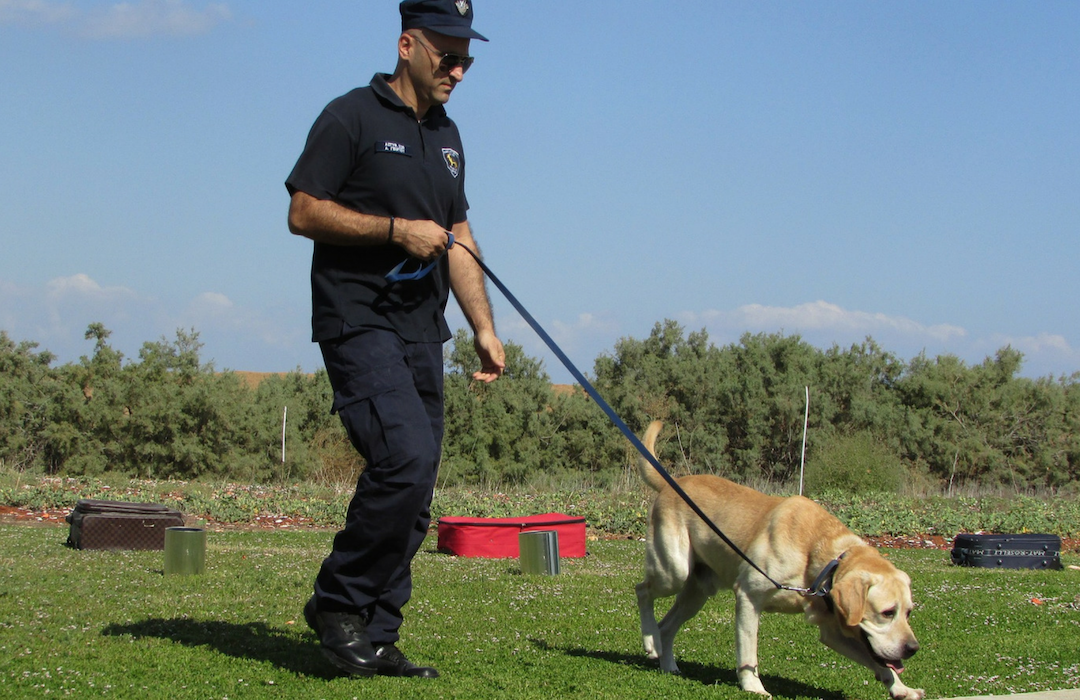

Sniffer

Because they have a keen sense of smell, dogs can be trained to detect illegal substances, explosives or blood.

There are also dogs that can detect health problems, such as cancer or very low sugar levels.


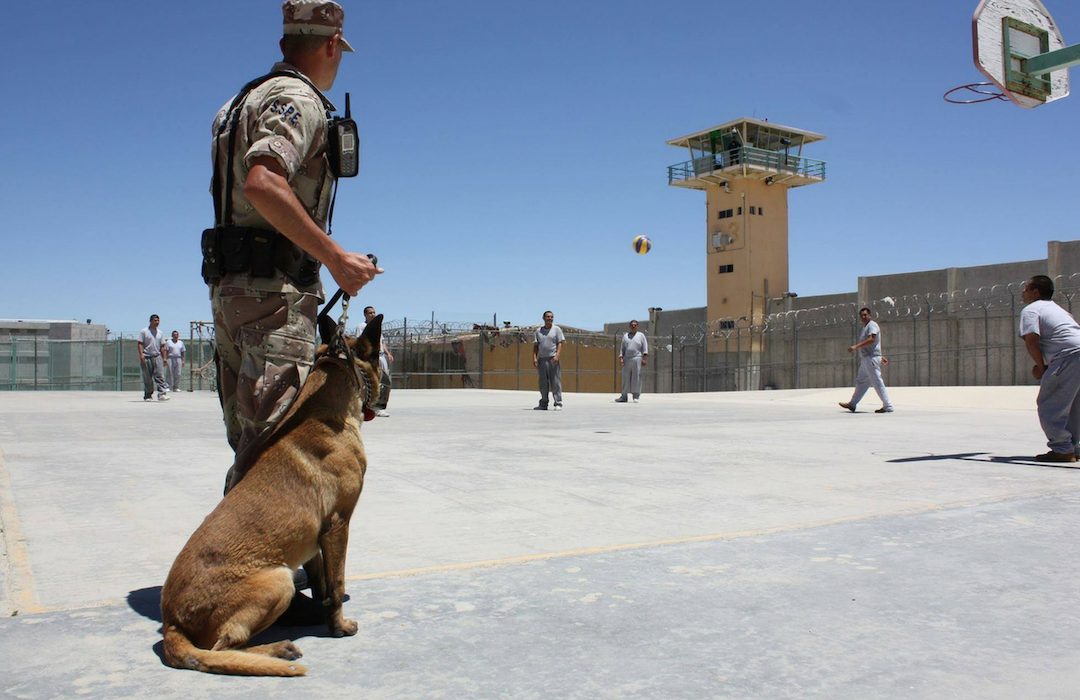
Guard | Police

When a dog is well trained, it is a great ally for the police, or even to guard our house from strangers and possible robberies.

But having a dog in our house to protect us, it is essential that it is well trained. Otherwise, we will have a dog at home that is full of energy and difficult to control.


Athlete

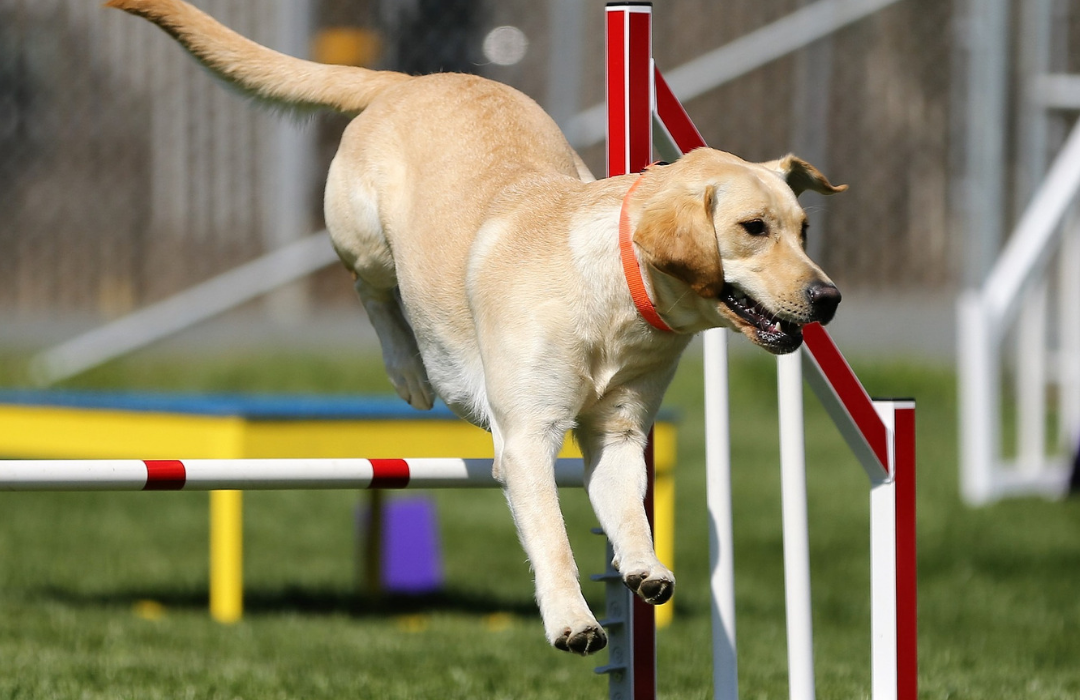
There are tests in which our dogs can demonstrate their skills.

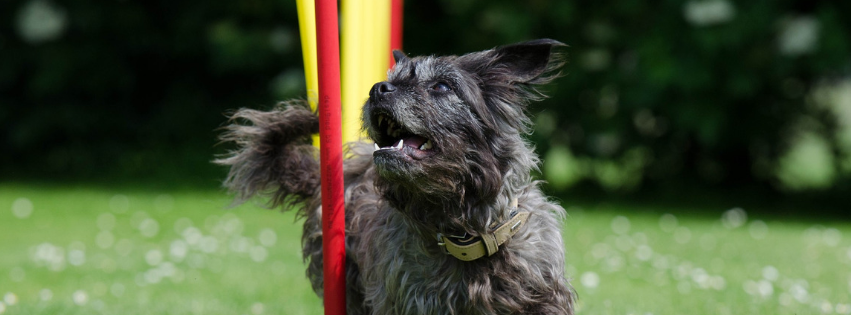
In agility competitions, dogs show their skills, passing through various obstacles in the shortest possible time.

This is a great hobby for anyone who enjoys it and the dog is grateful for the time spent together.


Miss

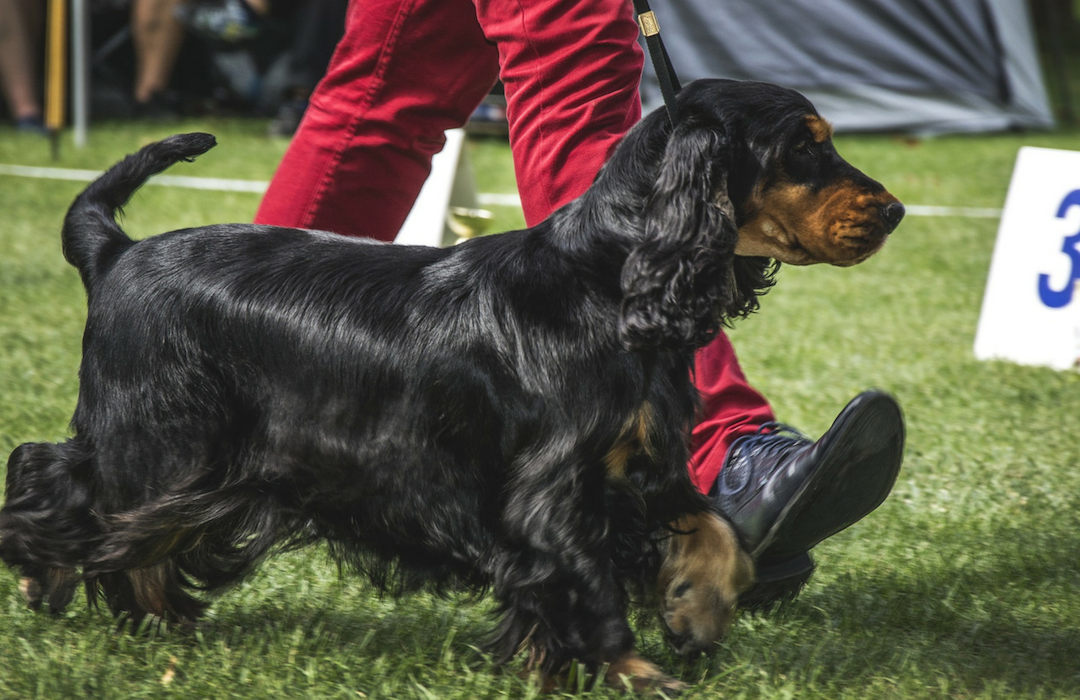
There are also tests that do not require physical effort, but that value the physical attributes of the bigeyes.

The objective is to choose the most beautiful dog taking into account the characteristics of its breed.


Actor

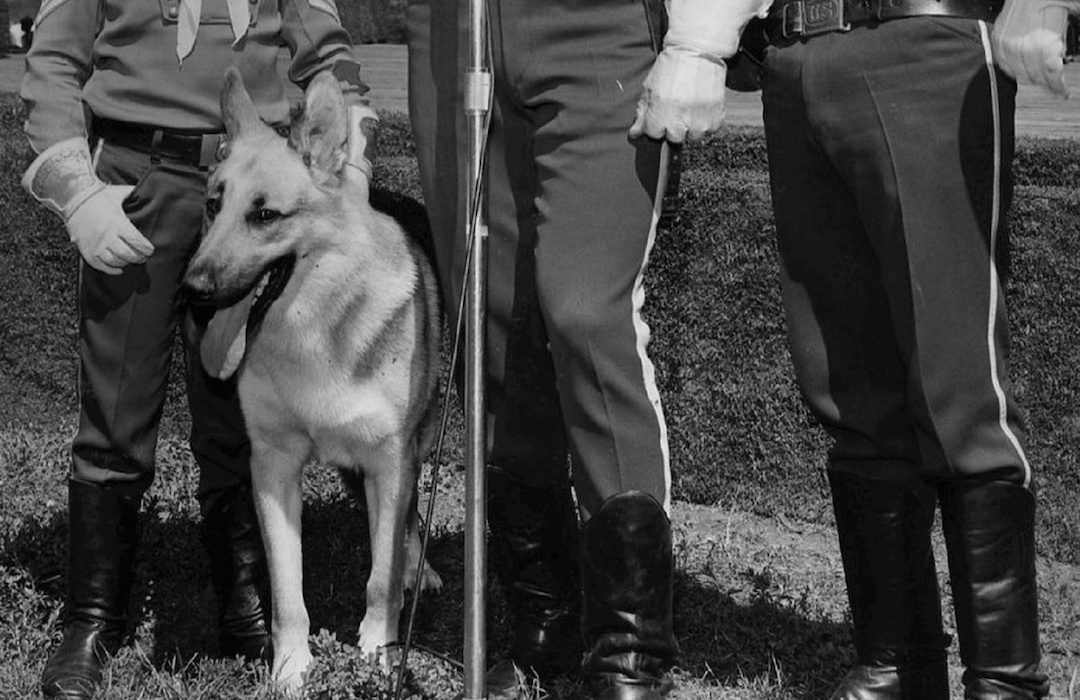
Dogs have long been playing catch-up. The first world-renowned actor dog was Rin-Tin-Tin, who in the 20s and 30s became a movie star.

After him, there were several bigeyes featured in movies and series. Who has never seen Bethoven, the cutest Saint Bernard or Rex, the police dog, who solved crimes with one paw behind his back!


caregiver

There are jobs for dogs with a very humane side and they become essential for their owners.

We have guide dogs that end up being the eyes of their owners. And there are those who are the company of people with epilepsy and are trained to help them in case of need.


Therapist

Zootherapy is an increasingly common therapy approach serving as medical care. It consists of training dogs and making them able to accompany people with cancer, in the terminal phase, with suicidal and depressive tendencies, children with autism or even elderly people.

The only function of the dog is to make people feel better, having to be a calm dog and like to receive a lot of affection.


Shepherd

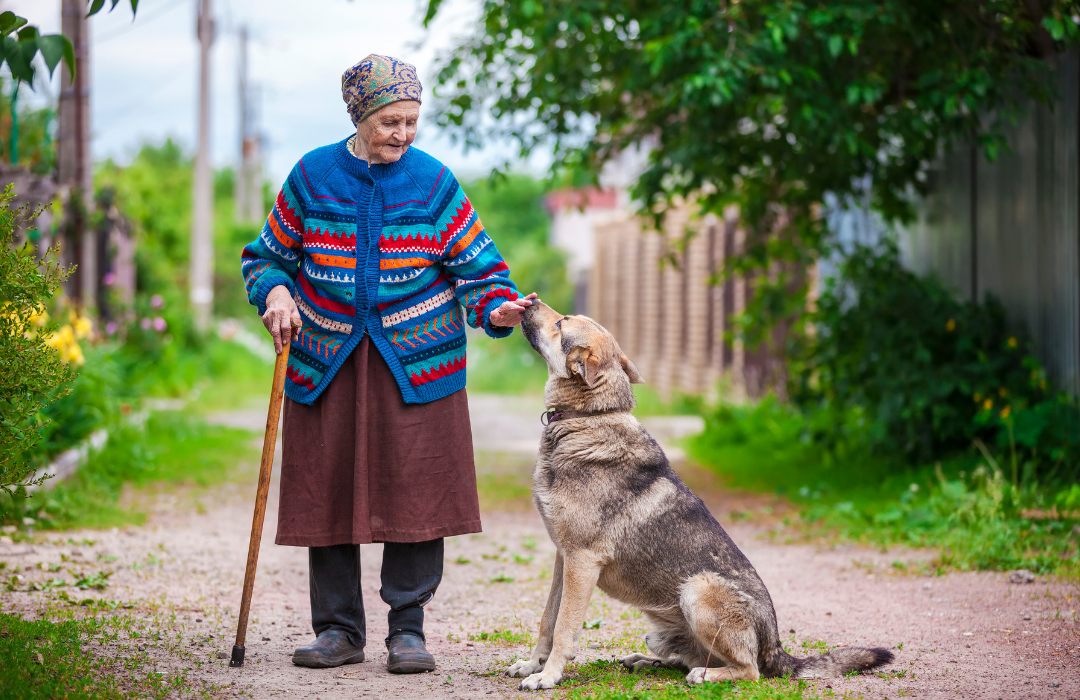
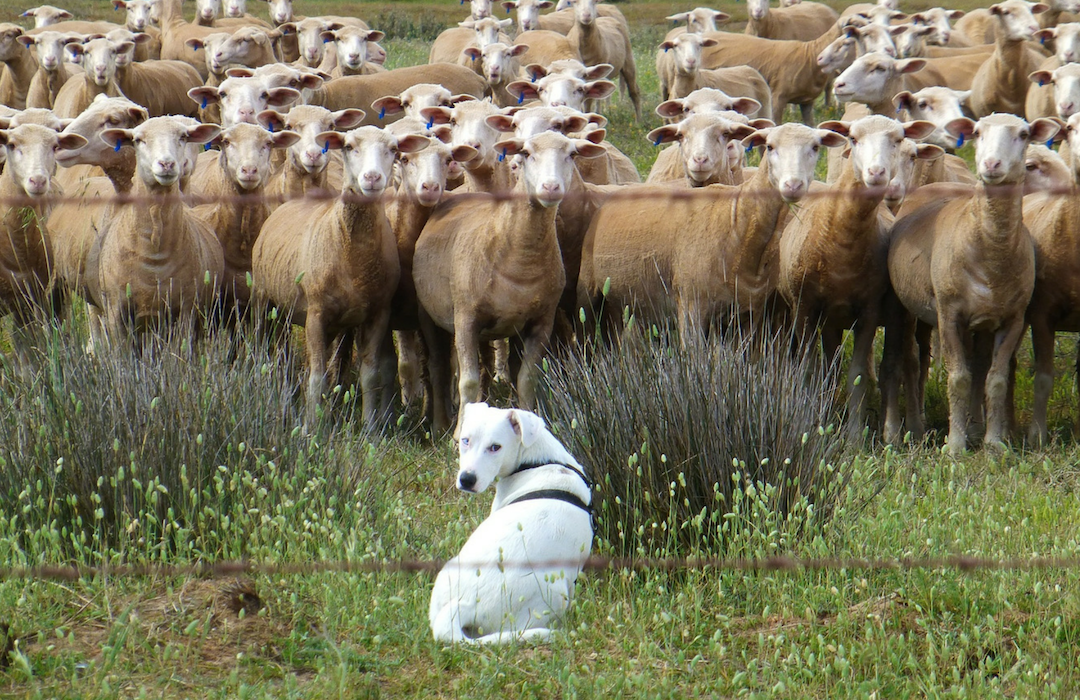
It is a very common function for some breeds of dogs, which is to take the cattle from one place to another and to gather them. The dog does not need specific training, as it is born with this ability.

As the name implies, sheepdogs such as the German, English and Australian Shepherd are great breeds for this role. Also the Border Collie is one of the favorite breeds for herding.


Hunter

Dogs are also used as hunting companions for their owners, with the function of fetching prey that has already been killed.

They are trained to bring prey to its owner without being tempted to eat it first.

The most used breeds for hunting are Hounds, Beagles, Terriers and similar breeds.


A dog with a profession is a happy dog!
Bruna Fernandes
NewPet Team

Maine Coon

Submitted by info on

It is a breed nicknamed the “gentle giant” or “cat-dog”.

This is because both their physical and behavioral characteristics resemble those of dogs.

Get to know the Maine Coon better: from the myth behind its appearance to its regular care.


Provenance

Despite being biologically impossible, legend has it that the Maine Coon arose from a cross between a cat and a raccoon.

This idea arises from the fact that this breed has similarities with the raccoon, as they have a very similar hairy tail.

In fact, its name comes from the combination of the region where the breed was recognized – in the North American state of Maine – and the fact that it has similarities with the raccoon – Raccoon in English.

Here, in the state of Maine, these cats have become very popular for their ability to hunt mice and also because they tolerate cold and low temperatures well.

The Maine Coon breed was then recognized in the 1950s.

Having a size very similar to that of a dog, this cat also proved to be a great option to be a companion cat.


Features

Size:

They are extremely large cats, measuring between 25 and 41 cm.

As they have an extremely large tail, counting on it, the Main Coon can even reach 1 meter in length.

As a result, they are also heavy, weighing from 4 kg to 11 kg.

Coat:

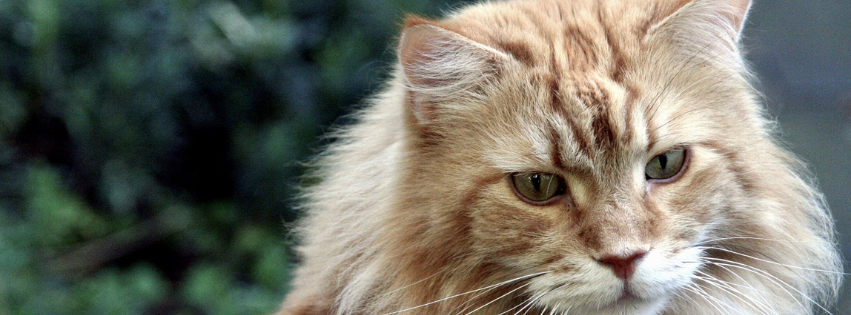
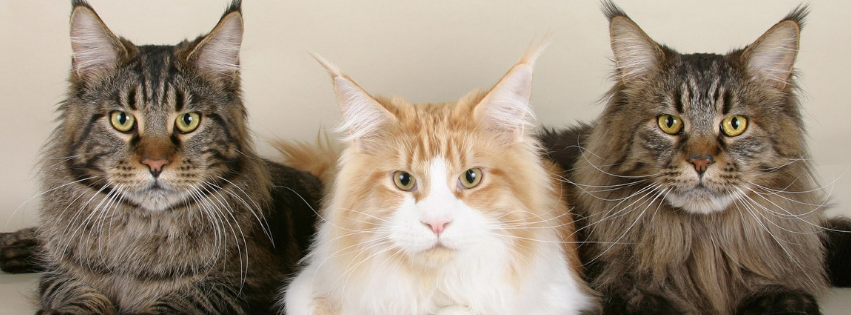
It is a cat with very long fur. its coat being smooth and generally soft.

In fact, this is one of the most striking features of Maine Coons: their great density of fur.

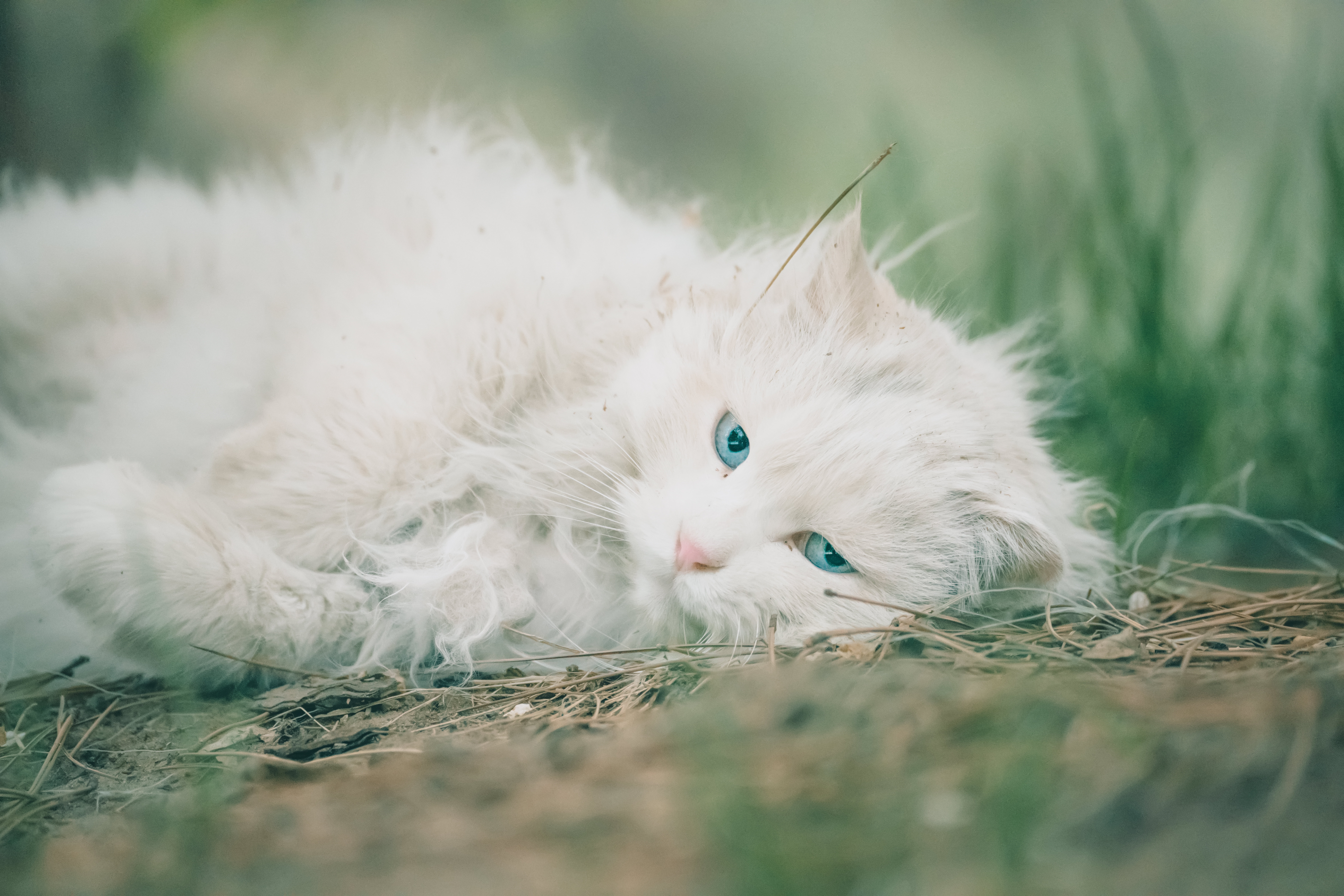
The most common coat color is brown, but Maine Coons can also be grey, white or even tricolored.

White cats are the most adored by lovers of this breed.

Average life expectancy:

Maine Coons have an average life expectancy of between 9 and 15 years.


Behavior

Main Coons are good family cats. They are calm and sociable, doing well in a large family with children, other cats or even dogs.

They have a great learning ability and are easily trained, learning tricks quickly.

Unlike most other cats, Maine Coons usually love water and even snow.

So, at bath time, we won't have big problems!

We can even play games with them in the water, they will have a lot of fun.

The Maine Coon cat is also known for its famous meow, where it sounds like it is talking to its owners.

Being an active, independent cat who likes to play, a house with outdoor space is the ideal home for these little friends of ours.

Even so, it is a cat that adapts well to a closed space, such as an apartment, as long as we provide it with moments of activity and entertainment.


Health

Generally speaking, Main Coons are healthy cats.

But there are some diseases that are more common in this breed that we should pay special attention to.

The regular care that we must have is mainly related to the characteristics of the breed.

Overweight:

This is a large cat, so care with weight gain should always be a part of our Maine Coon's life.

Giving the recommended dose is important and choosing a food that helps maintain weight as well. Especially if we have a spayed cat.

Dysplasia:

This breed can suffer from hip dysplasia, so it is important that we pay attention to its joints and also to the weight of our cat.

Heart problems:

Feline hypertrophic cardiomyopathy is a common disease in Maine Coon cats and is believed to be inherited.

It is important to check with our vet, check if our cat has this condition and the best way to help our little friend.

Muscle Problems:

Spinal muscular atrophy is another hereditary disease that we should be aware of if we own a Maine Coon.

If our cat has this problem, we usually start to see symptoms at 4 months of age, which result in muscle atrophy and weakness. In this case, the average life expectancy of our little friend decreases considerably.

Other care that we must have with our bigeyes:

  • With a dense and long coat, it is essential that we take constant care of the Maine Coon's coat. Having this routine will keep our cat's fur clean and without knots.
  • Having a very furry cat like the Maine Coon, we must prevent the problems they may have with hairballs.
  • If our cat spends much of the day closed, it is important that we give him toys and scratching posts with which our little friend can entertain himself.


Bruna Fernandes
NewPet Team

Rafeiro Dog

Submitted by info on

It's not a race, but it's our 'race of the month'.

Since December is their day, get to know these bigeyes that many of us have at home.

Find out why the term mongrel appeared and the basic care to be taken with these little friends of ours


Provenance

It is said that the dog comes from the wolf and that its domestication took place thousands of years ago, due to these 3 main reasons: herding, hunting and protection.

But it was not until the 19th century that the concept of race appeared.
The dog's appearance began to be more valued and, after the first canine exhibition took place in 1859, the first canine clubs appeared.
It is the clubs that determine when an animal belongs to a particular breed and choose the traits that are common.

He then began to call himself a mongrel dog to those who do not belong to any breed.


Features

Since a mongrel dog may have an unknown provenance, it has no defining characteristics.

As a rule, if we know the parents, it is common for our mongrel to inherit his mother's character and make-up.

There are mongrel dogs, small and large, furry or short-haired, more energetic or who like to spend time lying on the couch.

The important thing is that we choose a rafeirinho with characteristics that we identify with and that fits our lifestyle.


Behavior

While for dogs of a certain breed their behavior is one of their known characteristics, in mongrel dogs determining their behavior is more complicated, depending even more on the environment where they grow up than on their genetics.

If we know the parents of our mongrel dog, it is expected that he will have the character and shape of his mother.

Growing up without traumatic situations also influences our dog.

A happy growth makes our mongrel a sweet and sociable dog with a greater aptitude for learning.  


Health

As our dog is a mutt, there is no particular care that we should pay more attention to.

In fact, it is believed that mongrel dogs have fewer health problems than purebred dogs. This is because as there is no breeding between mongrels and there is no concern to maintain the characteristics, the problems that pass genetically in purebred dogs do not exist here.

But, as with all our pets, there are basic care that we must not forget.

Baths:
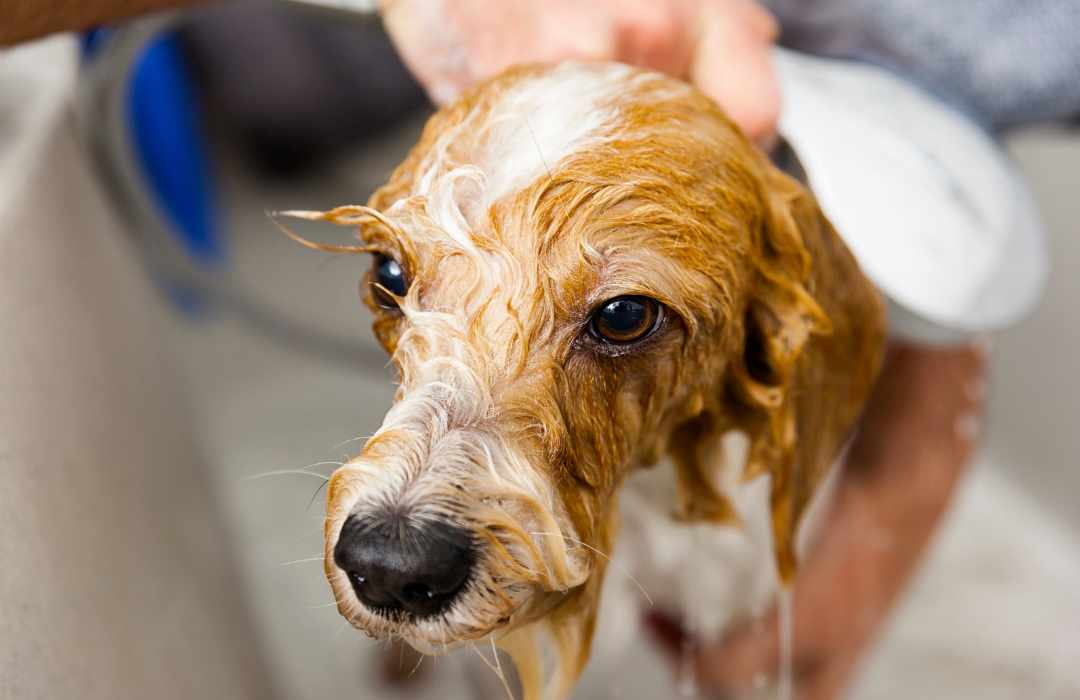
We must keep our dog always clean, bathing them, but we must not abuse the frequency of baths.
If our dog usually stays at home, we shouldn't bathe him more than once a month.

Brushing:
Brushing is also essential, especially for the furry ones.
This way they will have dirt-free hair and skin, leaving them with shiny and healthy hair.
In cold weather we can opt for wipes and gloves to dry clean them and not have to get wet.

Vaccination:
It is also important that our mutt always has his vaccines up to date.

Deworming:
Especially if our mongrel likes to play outdoors.
In this way, we are preventing unnecessary diseases.

Physical activity:
We must not neglect the physical exercise of our animal.
As with us, physical activity makes them happier, more relaxed and calmer at home, making them less blunders at home and making them more docile and more connected to their owners.

Bruna Fernandes
NewPet Team

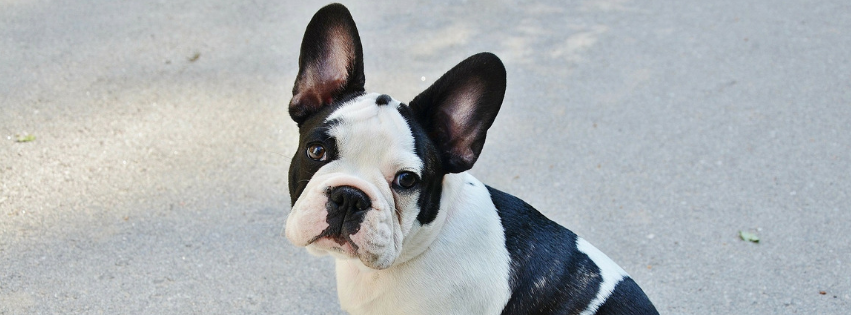
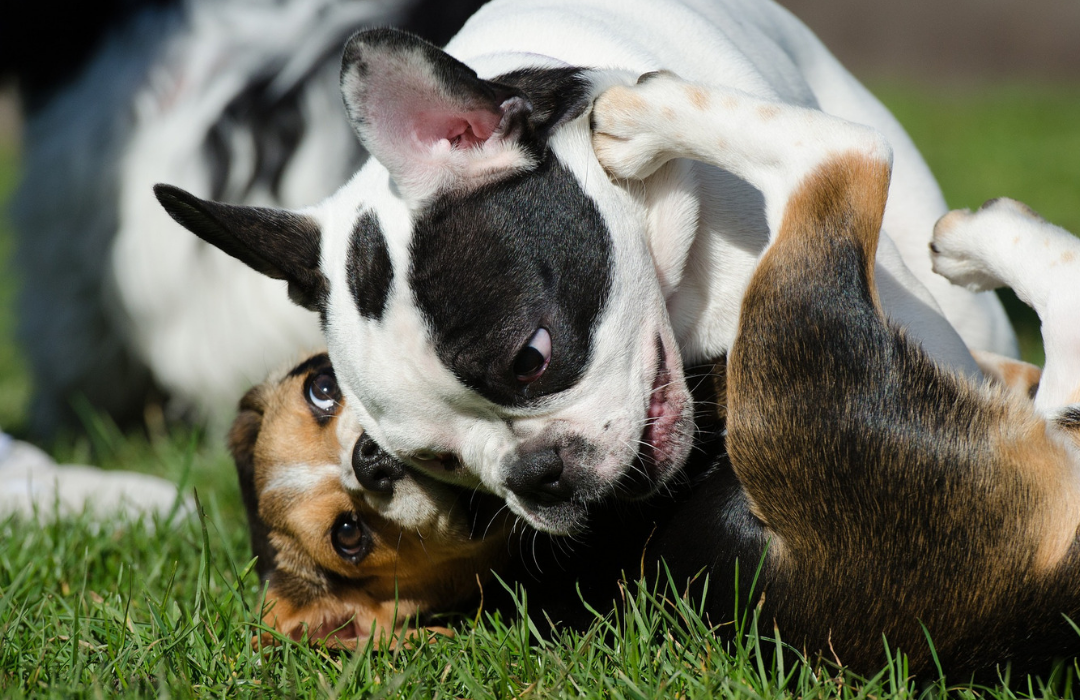
french bulldog

Submitted by info on

It is a very popular and beloved breed, especially for those who live in apartments.

When they come to the family, they become the joy at home.

If you are curious about the French Bulldog, find out how this breed came to be and what special health care is needed to keep these playful pups healthy.


provenance

The first French Bulldog breed club appeared at the end of the 19th century, years later being officially recognized as a breed in France.

Prior to their appearance, there was only one size of Bulldog in Great Britain, with smaller ones being rejected. This smaller variation of Bulldogs had a greater acceptance in France where, from different crosses with other smaller breeds, they ended up becoming popular.

Before becoming a companion breed, they were used as bull bait in blood sports.

They became quite popular, also in England, when they appeared in paintings by DegasToulouse-Lautrec .


Features

Size

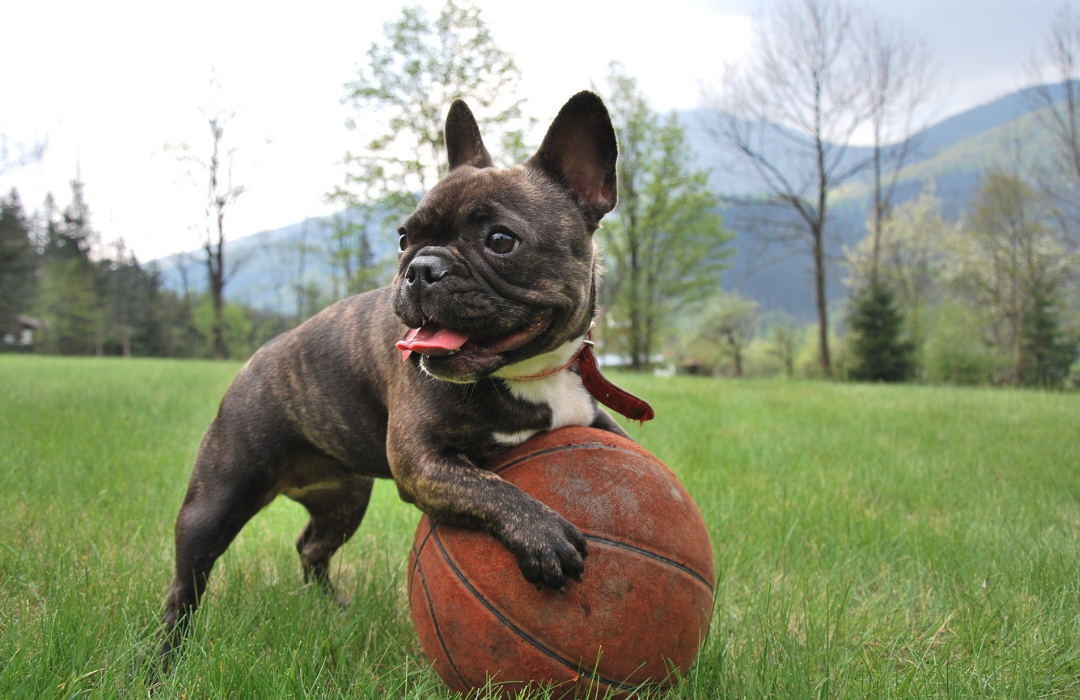
They are medium sized dogs.

They measure between 25 to 35 cm and weigh from 8 to 14 kg, whether male or female.

coat

They have a very short coat and are normally shiny and soft.

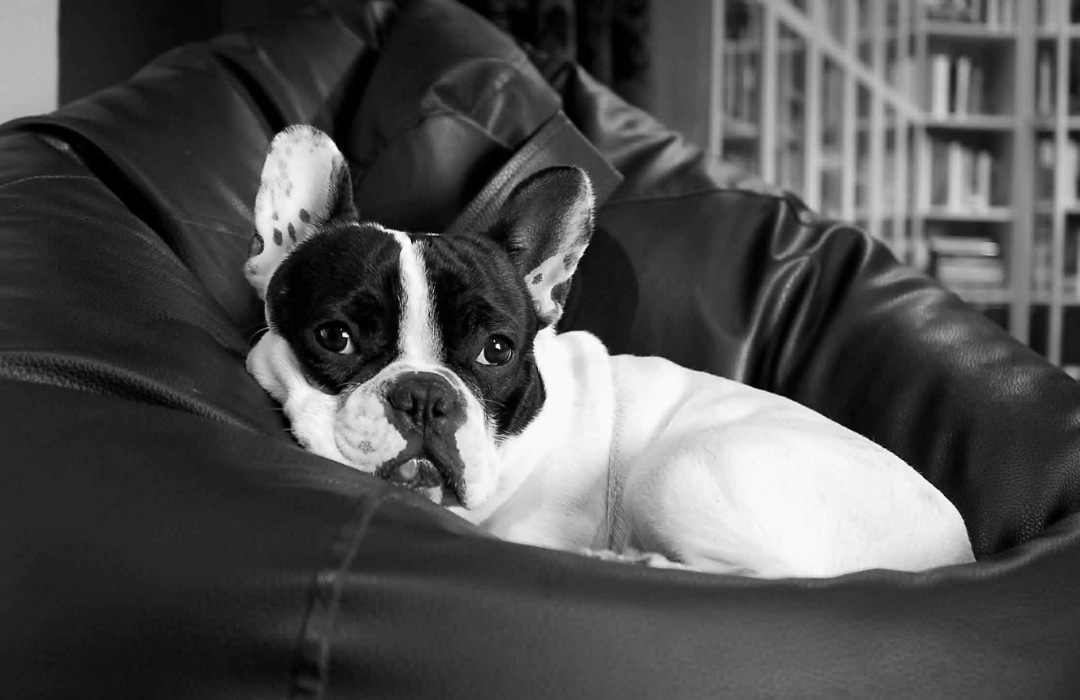
As for color, there are Bulldogs of various colors: black, gold and two colors – black and white – are the most found examples.

Average life expectancy

A French Bulldog lives an average of 10 to 12 years.


Behavior

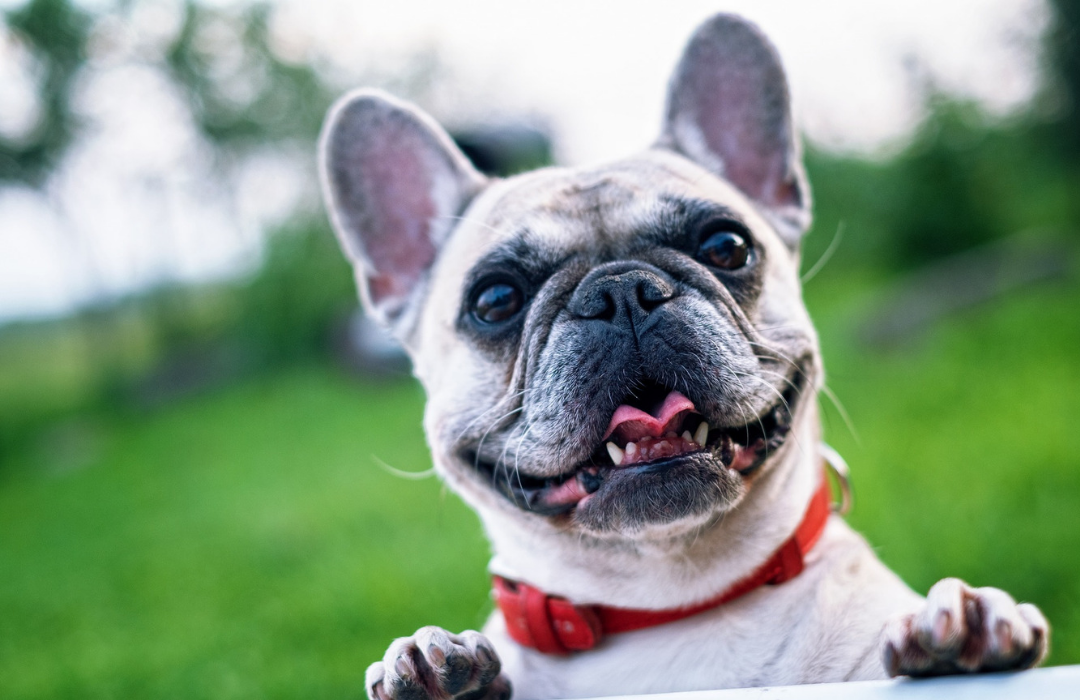
It is by nature a companion breed. They are cheerful, companions, playful and always seek the affection and attention of the whole family. A French Bulldog is a great dog for anyone with children.

Like dogs of breeds with a flattened muzzle, the French Bulldog usually snores a lot, being one of its most striking features.

On the other hand, they bark very little, which turns out to be an advantage for those who live in apartments.

Despite being a playful dog and having peaks of energy during the day, the truth is that this is a breed that does not need much physical activity.

To train a French Bulldog you need a good dose of patience and perseverance because, despite being intelligent, this breed is even more stubborn.

Something we should never do with our French Bulldog is try to swim. Most of these dogs cannot do this. Due to the anatomy of its body – very heavy head and disproportionate to the body – and the respiratory problems common to this breed, we must pay extra attention on a walk by the sea, river or pool.


Health

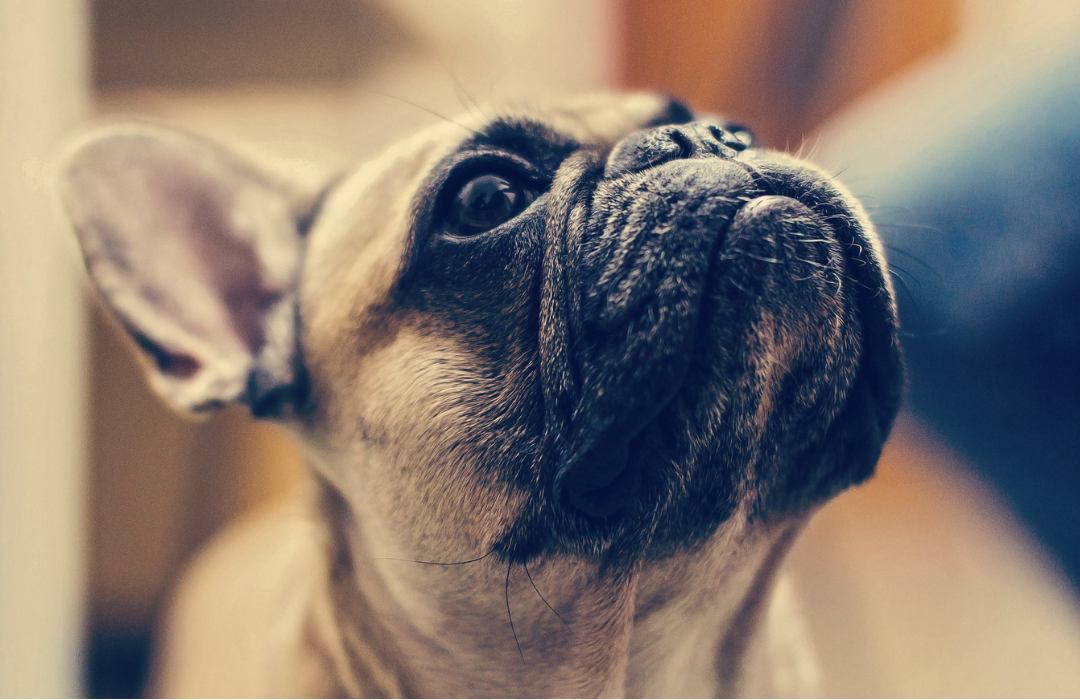
The French Bulldog is a brachycephalic breed, which means that they have a flat muzzle: they have a normal lower jaw, proportional to their body size, and a recessed upper jaw.

This characteristic, in addition to compromising their respiratory system , also makes them more susceptible to very high temperatures , as they cannot regulate their body temperature as effectively.

Overweight:
This is a dog that tends to gain weight, as it does not like much physical activity. It is therefore essential that we pay special attention to their diet.

Skin cleaning:
We must be attentive to its wrinkles, cleaning them frequently. If we clean them with our own wipes or with saline and gauze, we will avoid the appearance of allergies and infections.

Other precautions to be aware of:

  • Do not force physical exercise. A 15-minute walk can be demanding for this little-active breed.
  • Most French Bulldogs cannot swim, so we must always be careful when near water.
  • Pay attention when we have temperatures above 25º. The French Bulldog easily suffers from hyperthermia – an increase in body temperature above normal values.
Bruna Fernandes
NewPet Team

Facts about the persian cat

Submitted by admin on
Photo by zhang kaiyv on Unsplash

It is one of the most prestigious cat breeds in the world.
It stands out for its striking appearance, long fur and flattened muzzle.
Let's get to know Persian better. The cat that owes its name to the fascinating empire of ancient Persia.

provenance

Despite the name, there are no indications that the Persian Cat comes from the East.
In fact, these cats became popular pets in Britain, with indications appearing in Europe in the 16th century.
Books indicate that the Persian cat belonged to a group of cats known as "longhair", not previously having the Persian name.

The species evolved and gained new characteristics to the ones we know today.

This change is happening mainly due to the influence of the breeders of this breed.

Features


Size

They measure between 20 and 25 cm.

The weight of males varies between 4 and 6 kg while females weigh from 3 to 5.5 kg.

coat

It is a breed that presents a wide variety of colors.

It is characterized by having a very long and silky coat.

The maintenance of its coat is very difficult due to its long hair, easily forming knots.

Average life expectancy

The Persian Cat has an average life expectancy that varies between 12 and 17 years.

Behavior

They are quiet cats and get along very well in an apartment. Reasons why the Persian Cat is one of the favorite breeds of Europeans.
They like to be in their corner without many jokes, not needing much space to be happy.
They love to be pampered and are known for being very sweet, affectionate and intelligent.

The Persian Cat meows a lot from time to time and, when it happens, it does so quietly without disturbing owners or neighbors.

Even the calmest and most lazy Persian needs to go exploring, screwing and playing.

That's why a scratching post and toys are essential for this indoor cat.

Health

As a general rule, Persian cats are healthy, having some health problems mostly related to their physical characteristics.
Some health problems of these cats are hereditary, so they should be monitored from an early age.

fur balls

The famous hairballs, common in cats, are a constant in this breed, especially due to their long hair.
So that our animal doesn't get sick or have intestinal problems due to excess hairballs, we should try to brush it every day.

Breathing problems

The flat nose of these cats makes it difficult for them to breathe.
The Persian is more sensitive to cold, heat and humidity due to its small snout which, in addition to
of impairing the entry of air, makes our cat less active than other breeds.

polycystic kidney

The kidneys of Persian cats can develop cysts that grow if left untreated.

This problem can cause kidney failure, which is why it is important to have a blood test.
prevention all year.

Other precautions to be aware of

Persian cats need regular cleaning of eyes that water and stain their fur.

Bruna Fernandes
NewPet Team

Benefits of pets in children

Submitted by info on

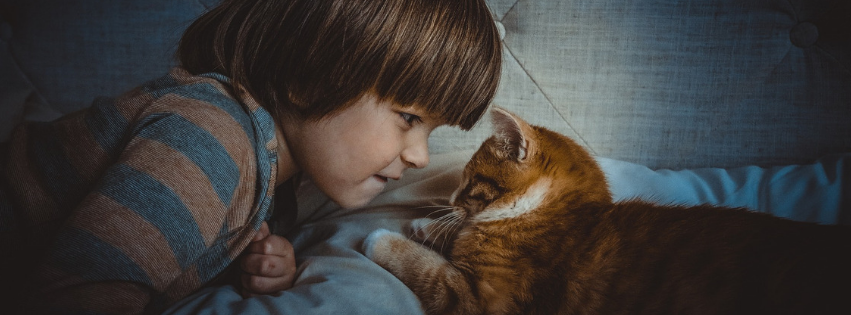
For those who have small children at home, deciding to have a pet can be a problem.

It is necessary to be aware that it will be a challenge, because the new friend at home will also have routines and needs that we cannot neglect.

On the other hand, the benefits it will bring to children are very much worth it.

Discover some advantages of having pets in our children's lives!


Responsibility

Animals, especially dogs, have daily routines that add to the tasks of their owners.

Feeding, putting water in the drinking fountain, taking a walk, brushing or brushing teeth are some of the tasks that can be the responsibility of children, always taking into account their age.

In this way, they will learn to have routines and to feel responsible for others.


Emotional intelligence

With an animal since they were small, they end up becoming more affectionate and affectionate, preparing them better for socializing with other people.

In times of change, such as going to school or starting school, having an animal at home helps children to be less selfish and have better self-esteem.

In addition, having animals at home, children are better able to perceive common situations such as mating or even the loss of someone close and dear.


Physical activity

Children's play with their pets or even the daily walks they need encourages physical activity.

In this way, we are creating active people with a natural aptitude for physical exercise.


Health

Children with pets usually have a stronger immune system. One of the reasons given is the fact that they have a greater exposure to bacteria and dirt, making them more resistant.

In the case of children with serious health problems, such as autism, paralysis or Down Syndrome, the company of a pet is very beneficial for their health, both physical and emotional.


Despite bringing more expenses and tasks to our daily lives, the advantages of having a pet are immense, especially when we have children, helping to improve the quality of life for the little ones. And ours too!

Bruna Fernandes
NewPet Team