Tips | NewPet

“I have a 3-month-old Labrador who loves to gnaw on furniture corners.”
Submitted by info on

“I have a 3-month-old Labrador who loves to gnaw on furniture corners.
What can I do to stop gnawing on furniture?”


To discourage our little friends from gnawing on furniture at home, we have to keep two things in mind:

  1. Making our furniture unattractive to nibbles;
  2. Give entertainment alternatives so they don't miss chewing furniture.


Tip 1: Make furniture or any other household object unattractive to chew.

By using a repellent spray in the places where he likes to gnaw, we are making our pet feel more inhibited in destroying our furniture.

Even when you do, the unpleasant taste you will experience should be enough to make you not want to repeat the experience a second time.

Although there are specific anti-bite products to discourage our animal from gnawing, we can also use an anti-micturition product, which will do a 2 in 1: it repels our little friend from urinating in these unwanted places, also making the urge to to gnaw on these sites is thwarted.
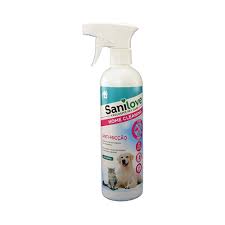
This training spray eliminates urine residue and helps dogs and cats learn not to urinate in unwanted areas.

In the same way, it helps that our little friends do not gnaw the area where the spray was placed .

It can be used inside and outside the house.


Tip 2: Have nice toys that make you forget about our furniture.

The fact that it is not desirable to chew furniture does not mean that our little friend loses the will to bite.

To help in this process, we must find alternatives so that he starts to be interested in other objects and loses the habit of gnawing what he shouldn't.

Giving them challenging toys is a good stimulus, helping them to have an activity that doesn't consist of destroying our home.
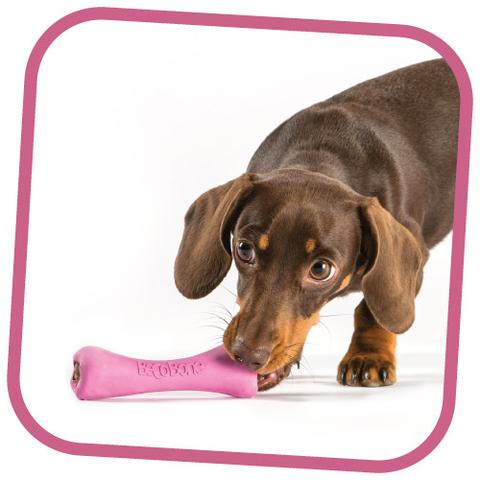
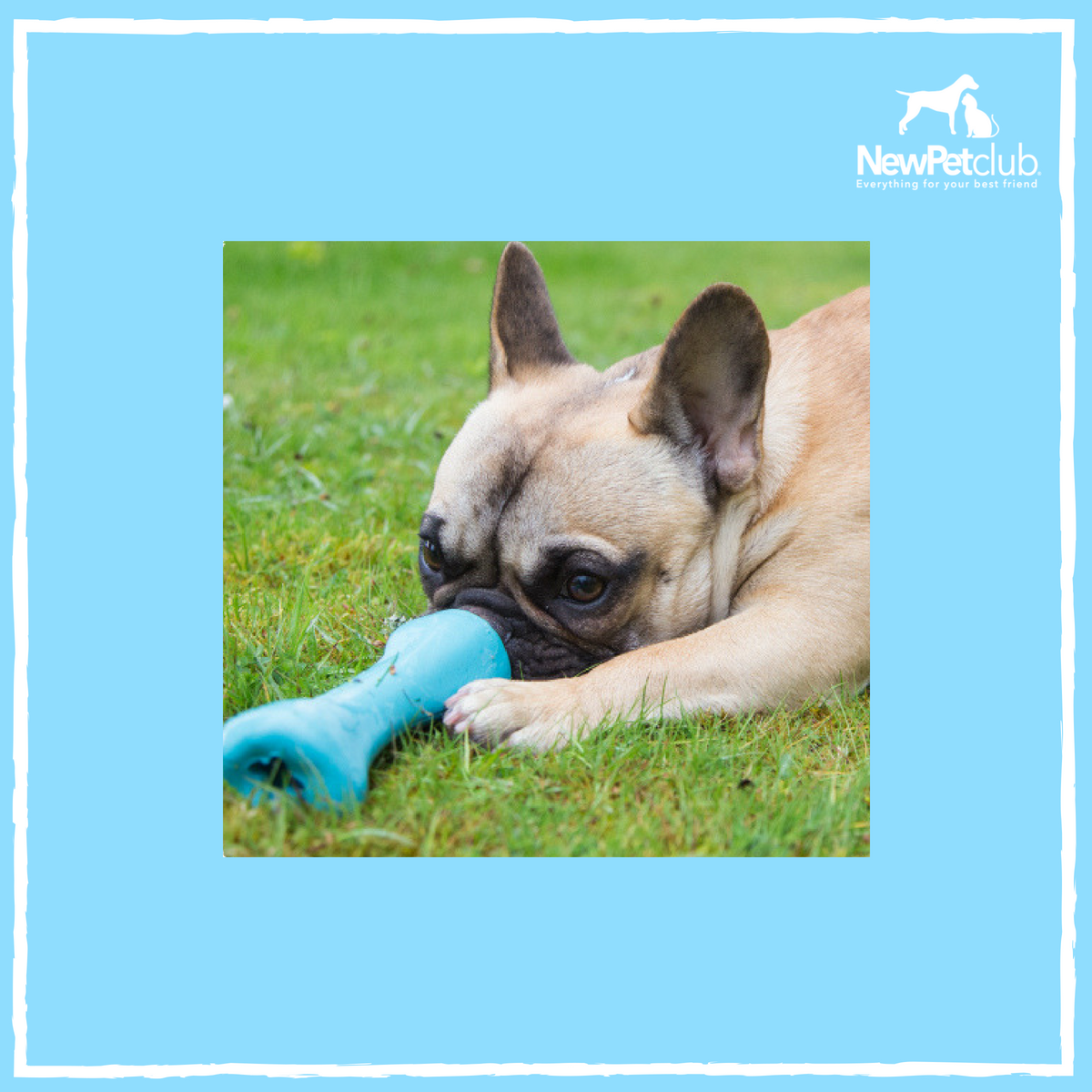
Beco Bone is an extra strong bone in natural rubber, scented with vanilla.

This bone has a perfect size hole to introduce our dog's favorite snacks .

Made of natural rubber, it also has the advantage of being a healthier, safer and more ethical toy, without compromising its durability.


Tip 3: Be persistent in implementing good habits, from an early age.

We cannot assume that our little friends' bad habits change overnight.

The trick here is to be persistent and not give up.

If we have an animal that, from an early age, has habits that we want to change, we must act as soon as possible.

It is much easier for them to learn and stop having certain behaviors when they are small.
Bruna Fernandes
NewPet Team

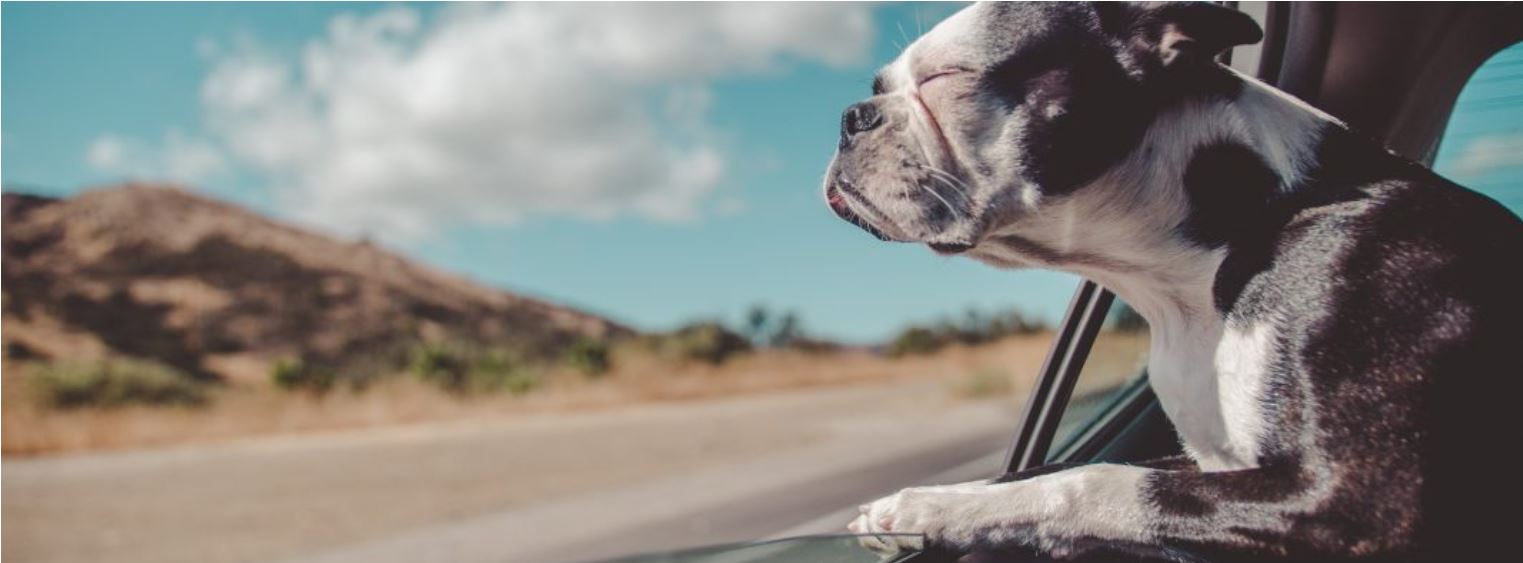
Traveling by Car with the Dog: Tips and Care to have

Submitted by info on

Leaving our dog would be an incomplete vacation. After all, he is a member of the family.

For those who are on vacation, have planned a car trip with the family and don't want to leave their little friend behind, we have the perfect tips to take your pet safely and with everything you need.


Tip 1 – Have all vaccines up to date

Before going on vacation, we must take our animal to the vet to see if it is in good health for the type of trip.

It is important to make sure that all vaccines are up to date, particularly against rabies (it is only valid if taken 30 days before the trip and has a validity of 12 months).


Tip 2 – Pack your suitcase

Our little friend deserves a bag too.

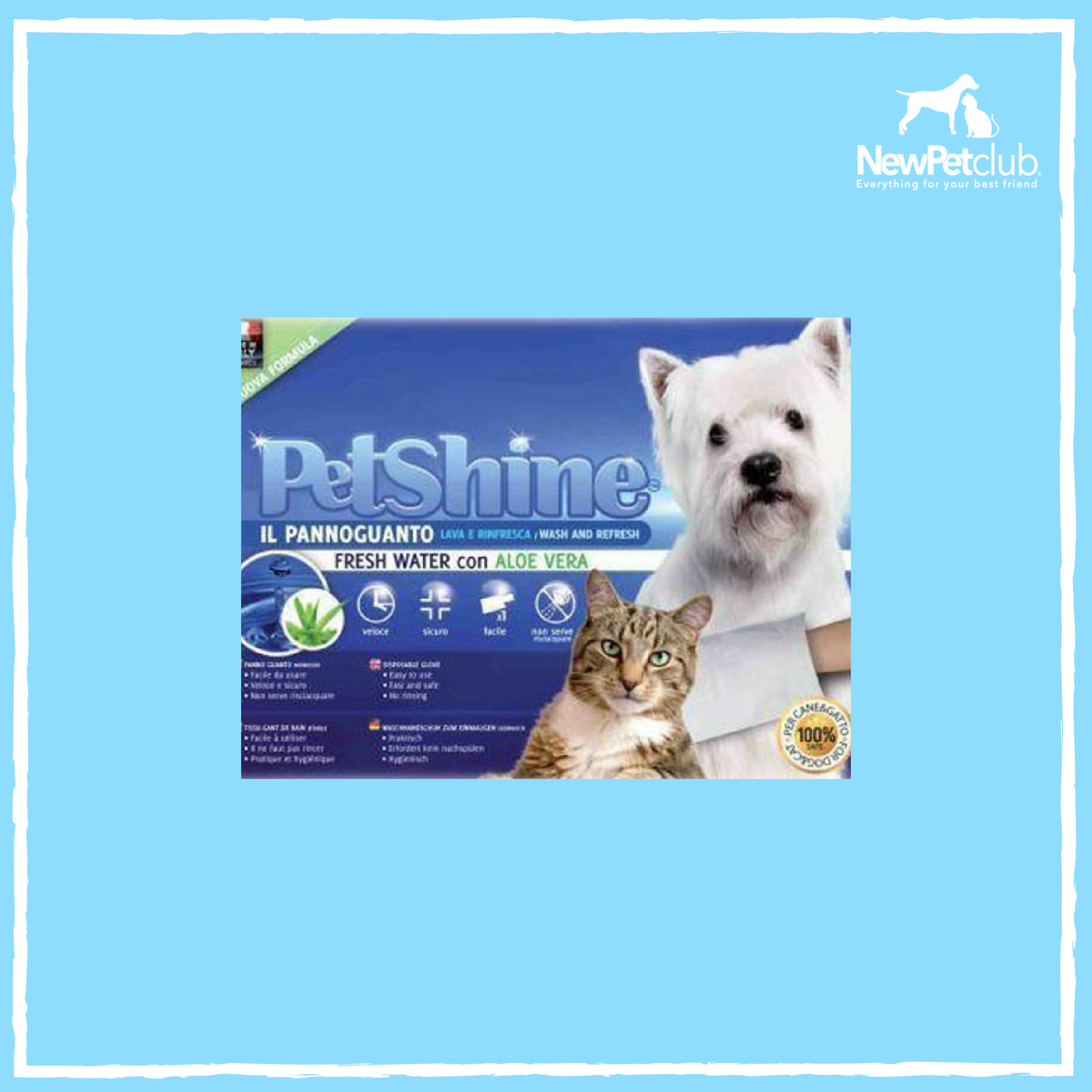
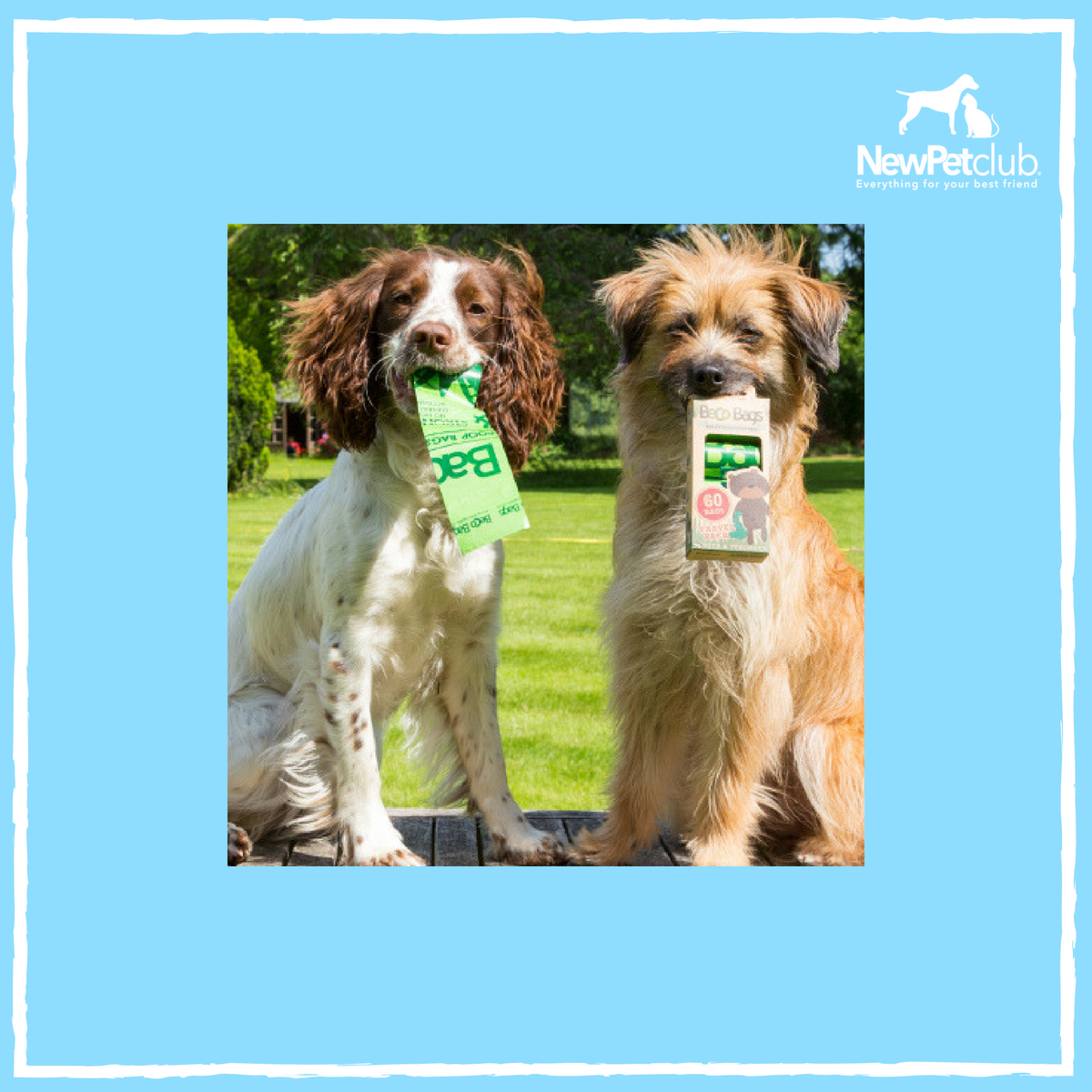
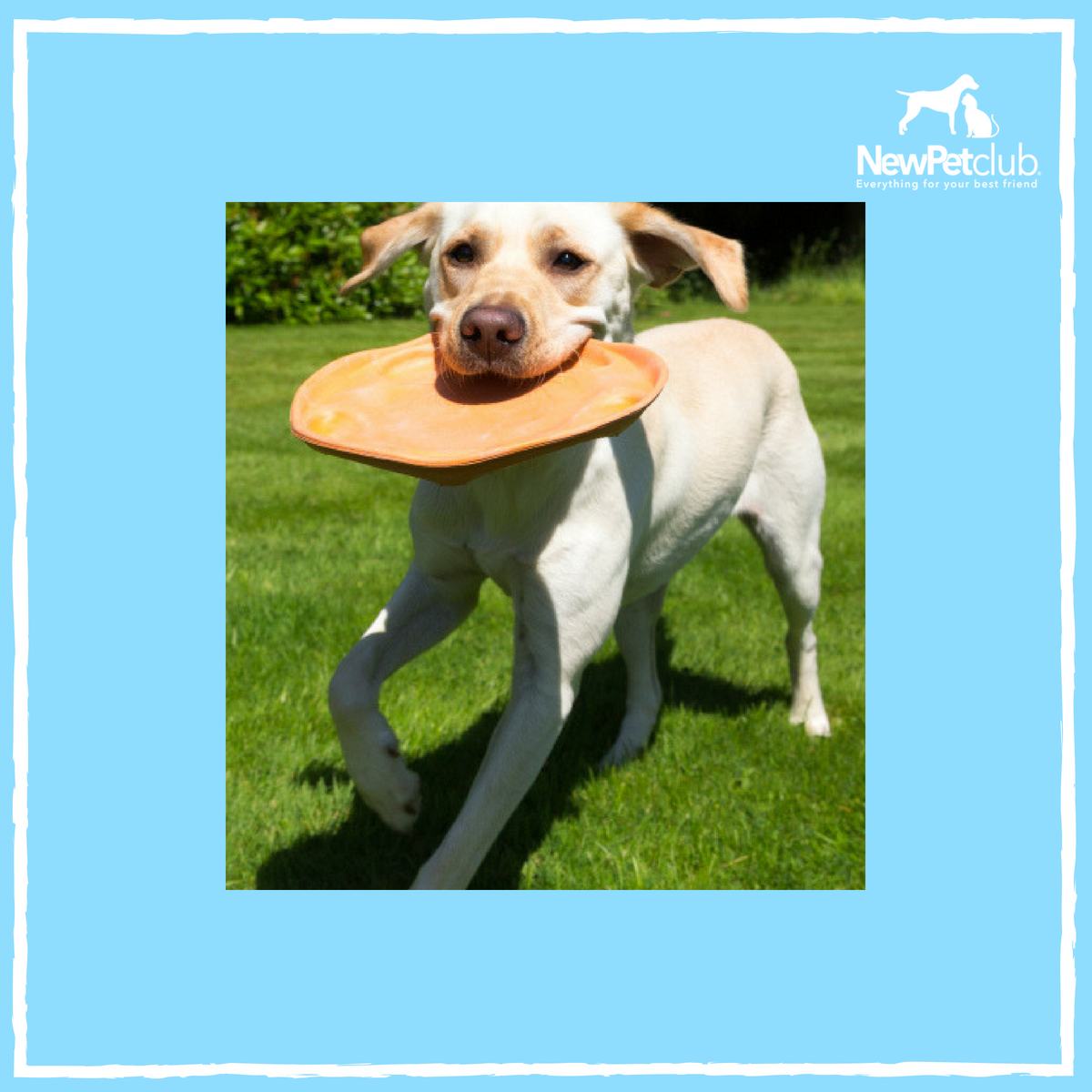
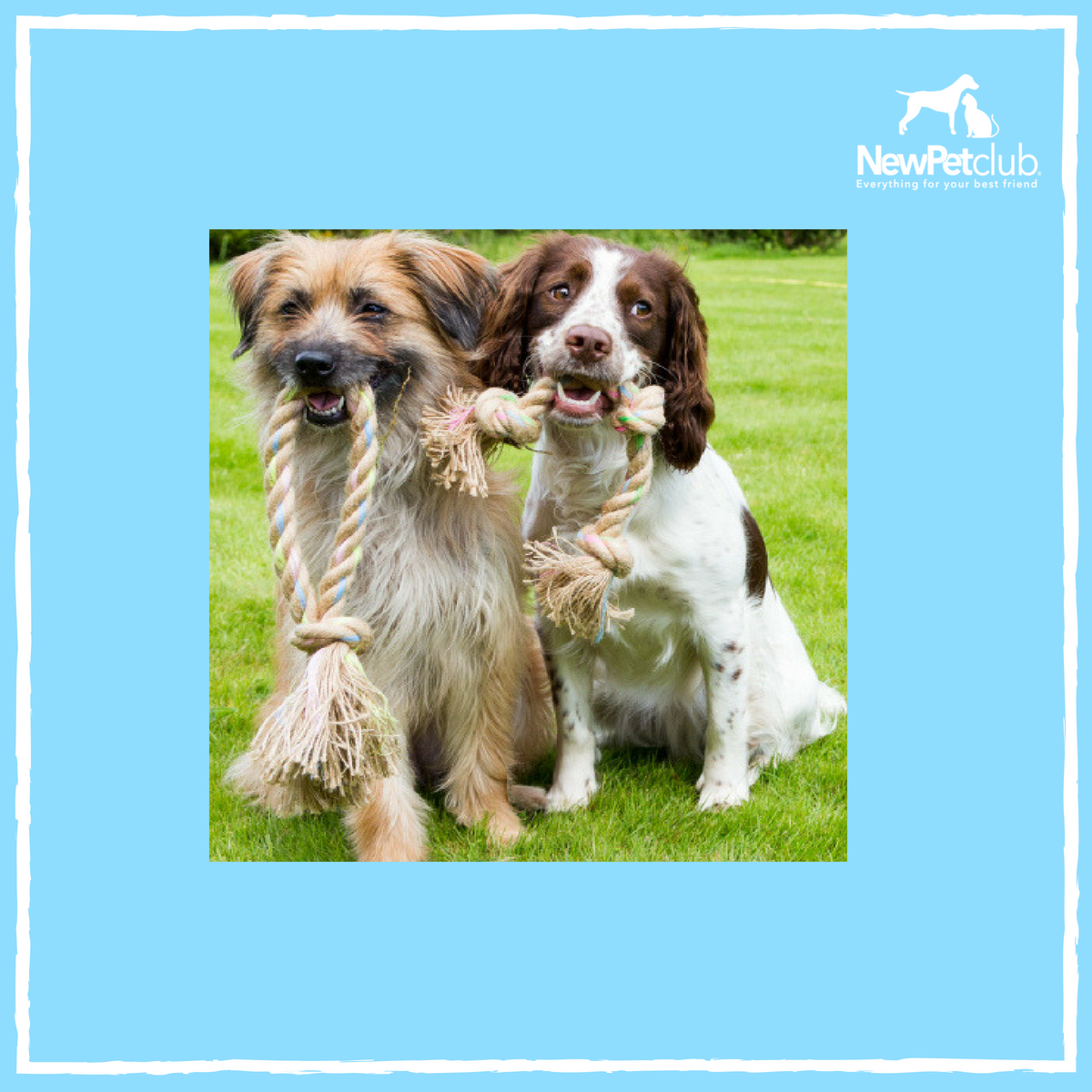
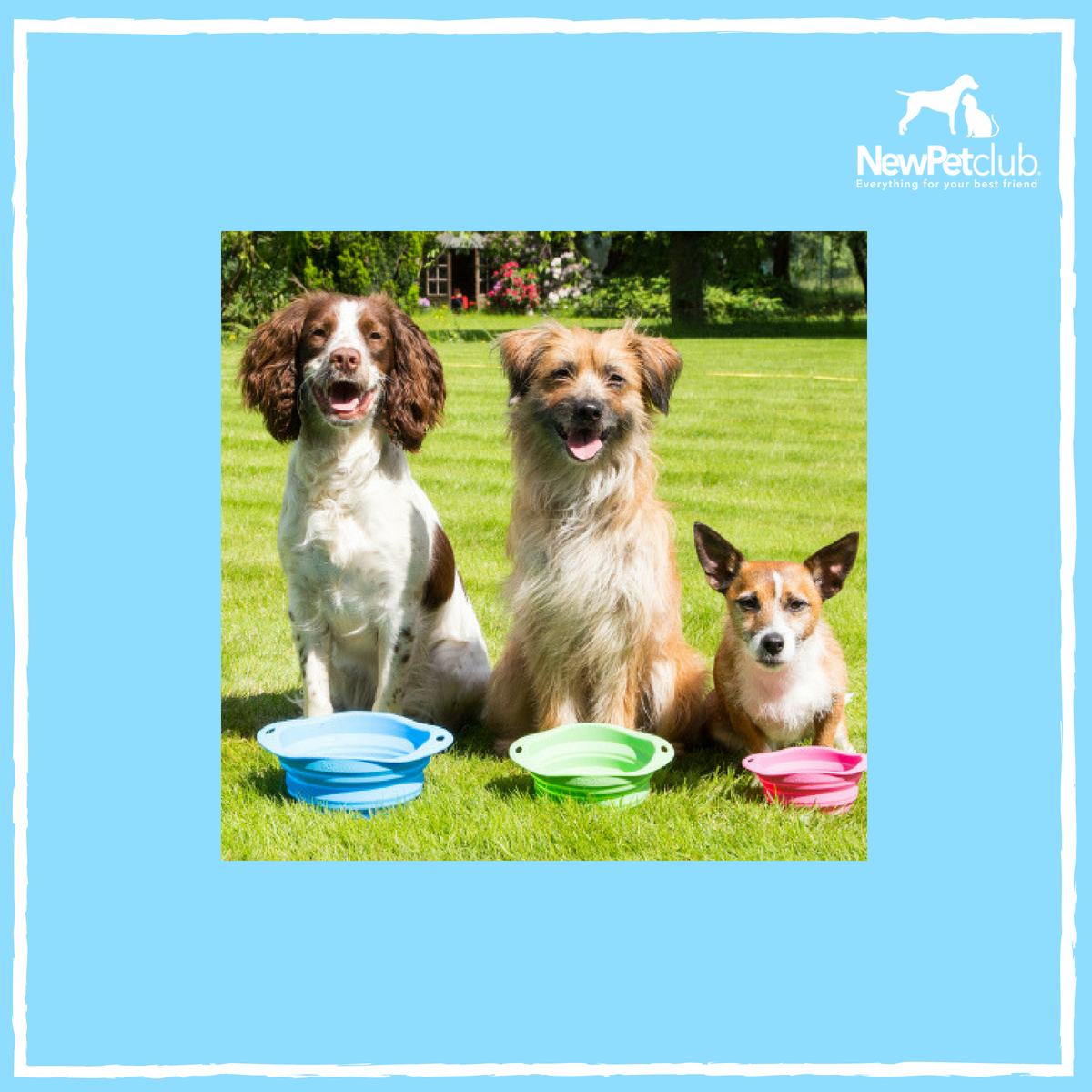
The dog's bag must be composed of basic items, such as: health certificate, leash and collar, enough food, food and water pots , towel or cleaning wipes , toys and a bed or carrier.

And, of course, basic pharmacy recommended by the vet in cases of emergency.


Essential accessories

Soft Toys Gloves and Wipes Poop Bags Toys - Disc
Toy - Ropes travel bowl Bed Toy - Bone

Tip 3 – Get the dog used to the car

For starters, we can play with our dog getting in and out of the car, rewarding him whenever he is inside the car. If we have a carrier, we should use it in this game too.

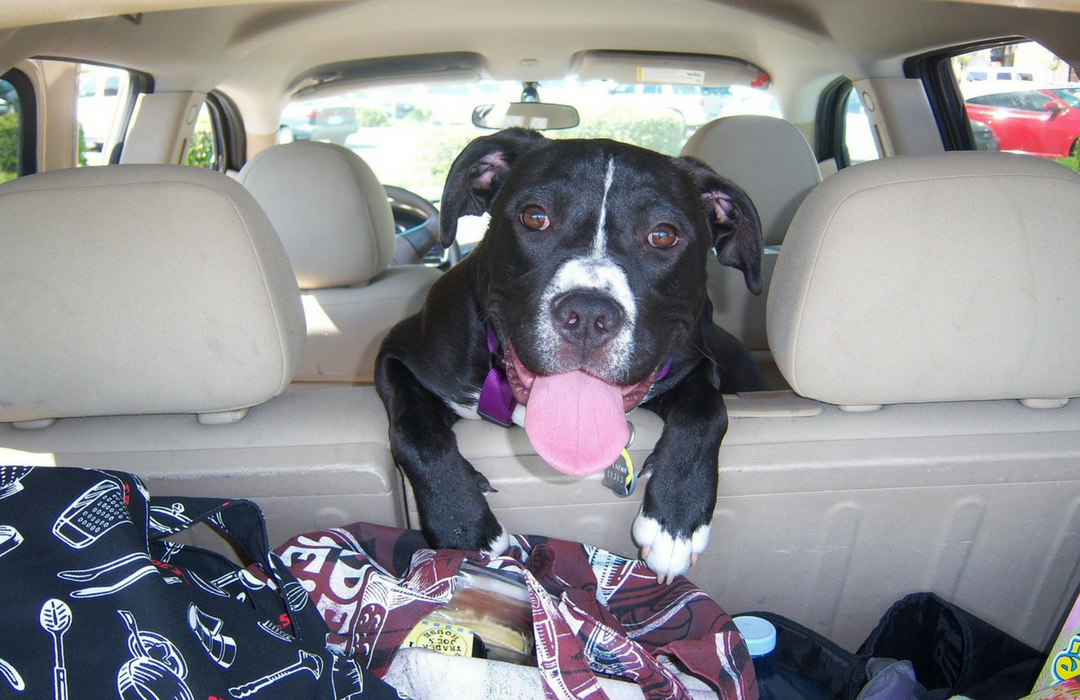
Then, taking short trips to places he likes will make him associate the car with moments of happiness. And don't forget: always transport them using a specific seat belt or inside the carrier!


Tip 4 – Take a walk before the trip

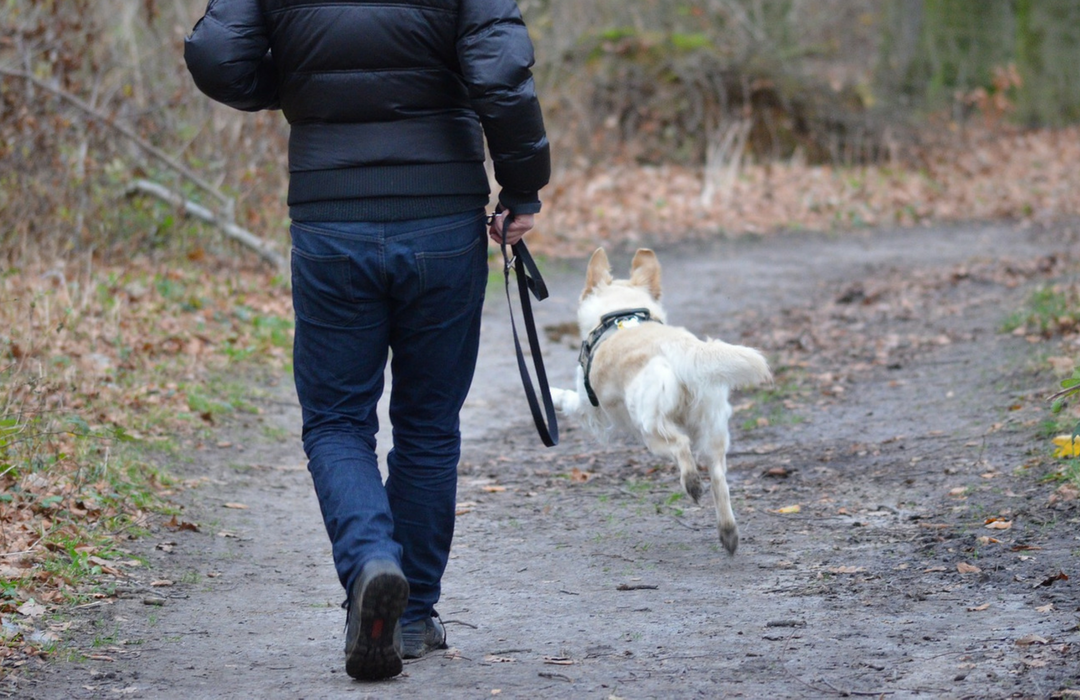
Walking or playing with our dog before the trip helps, as it will tire him out and make him calmer for the long journey.

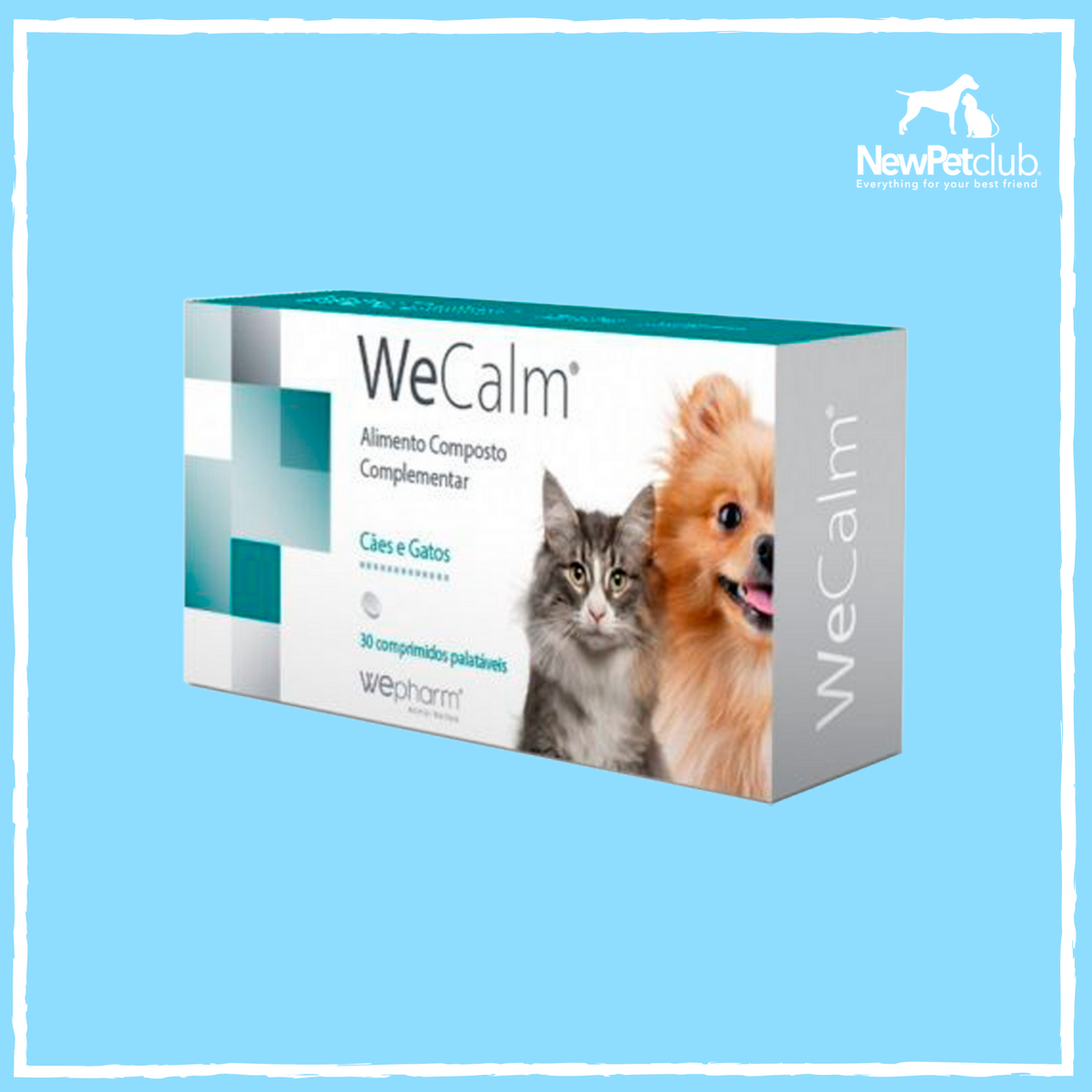
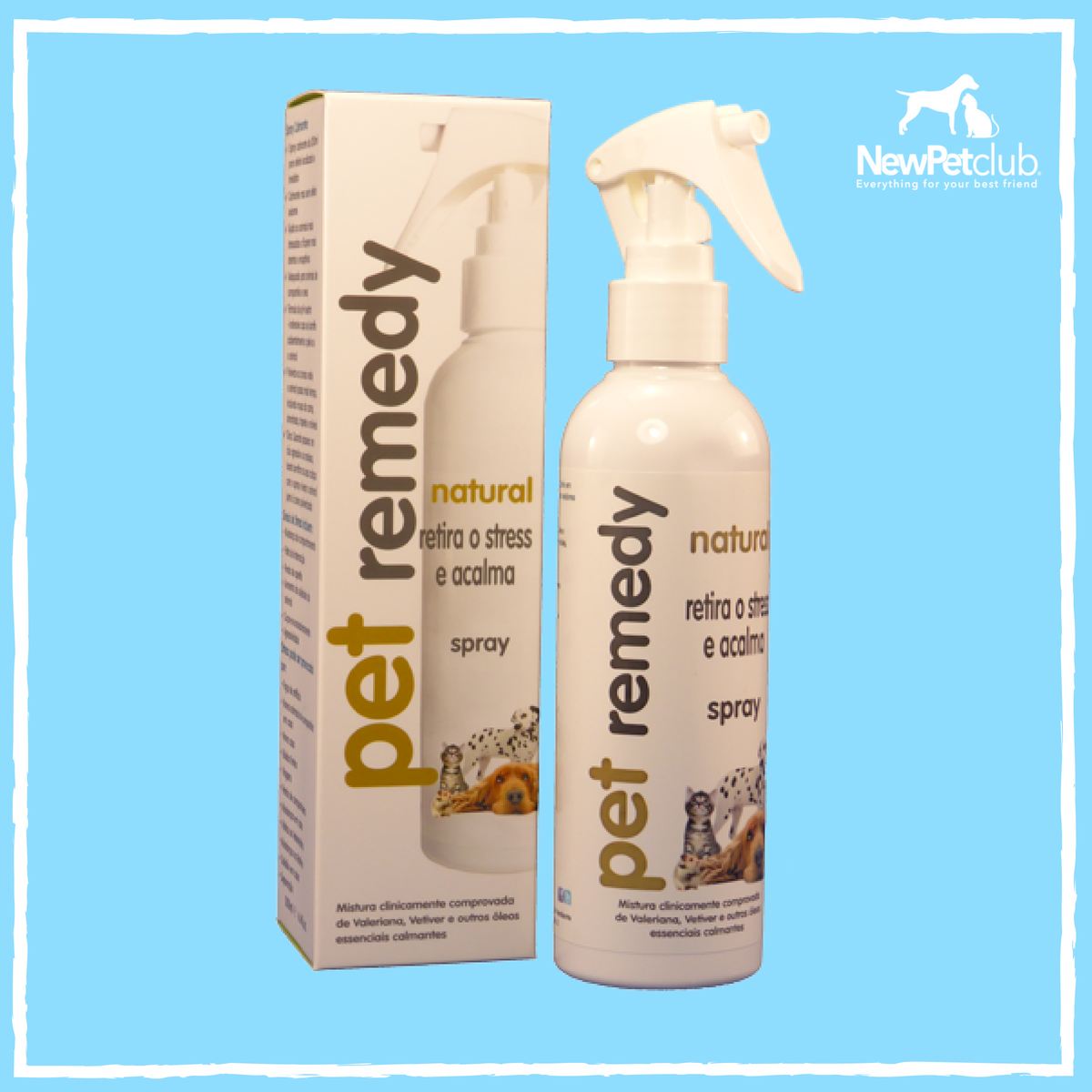
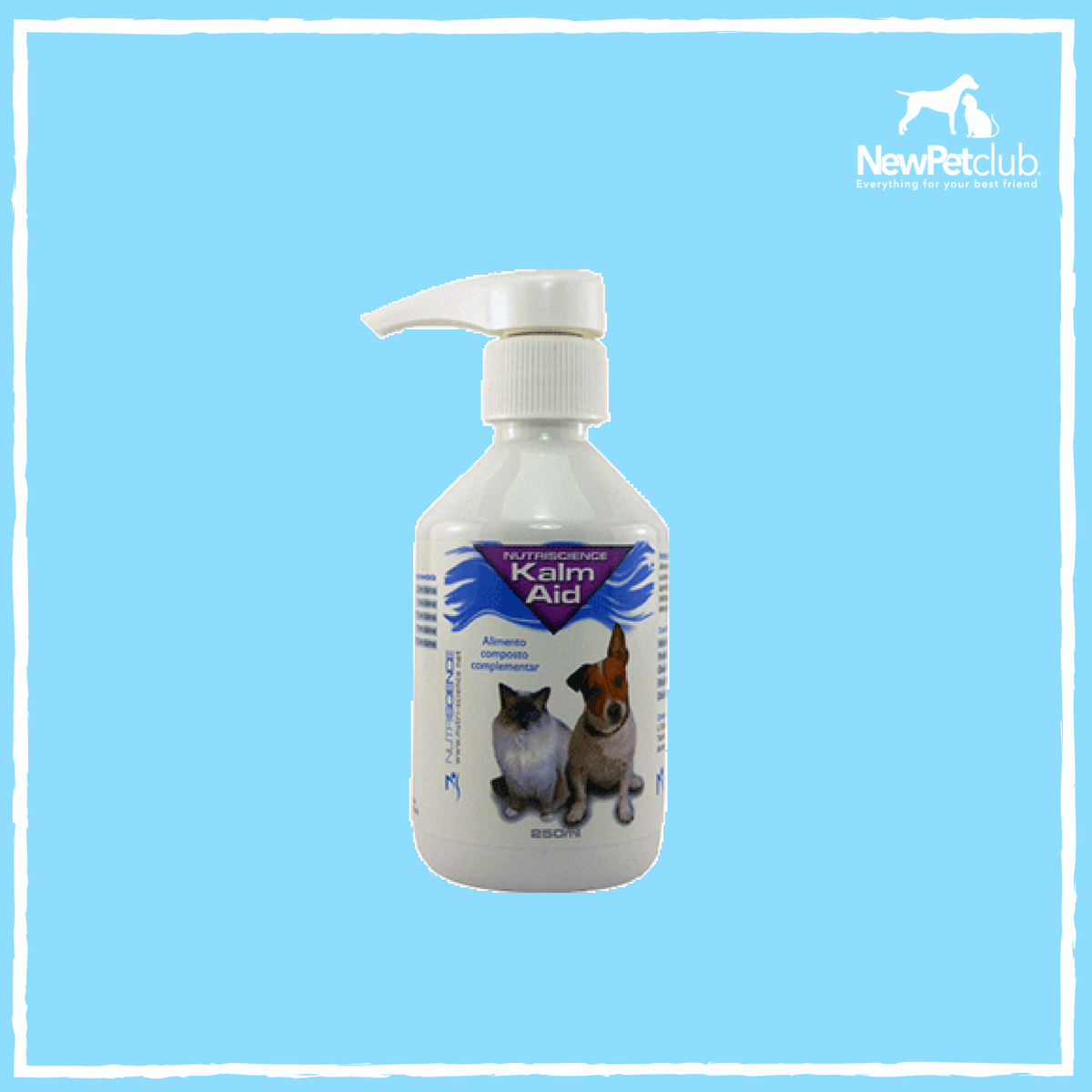
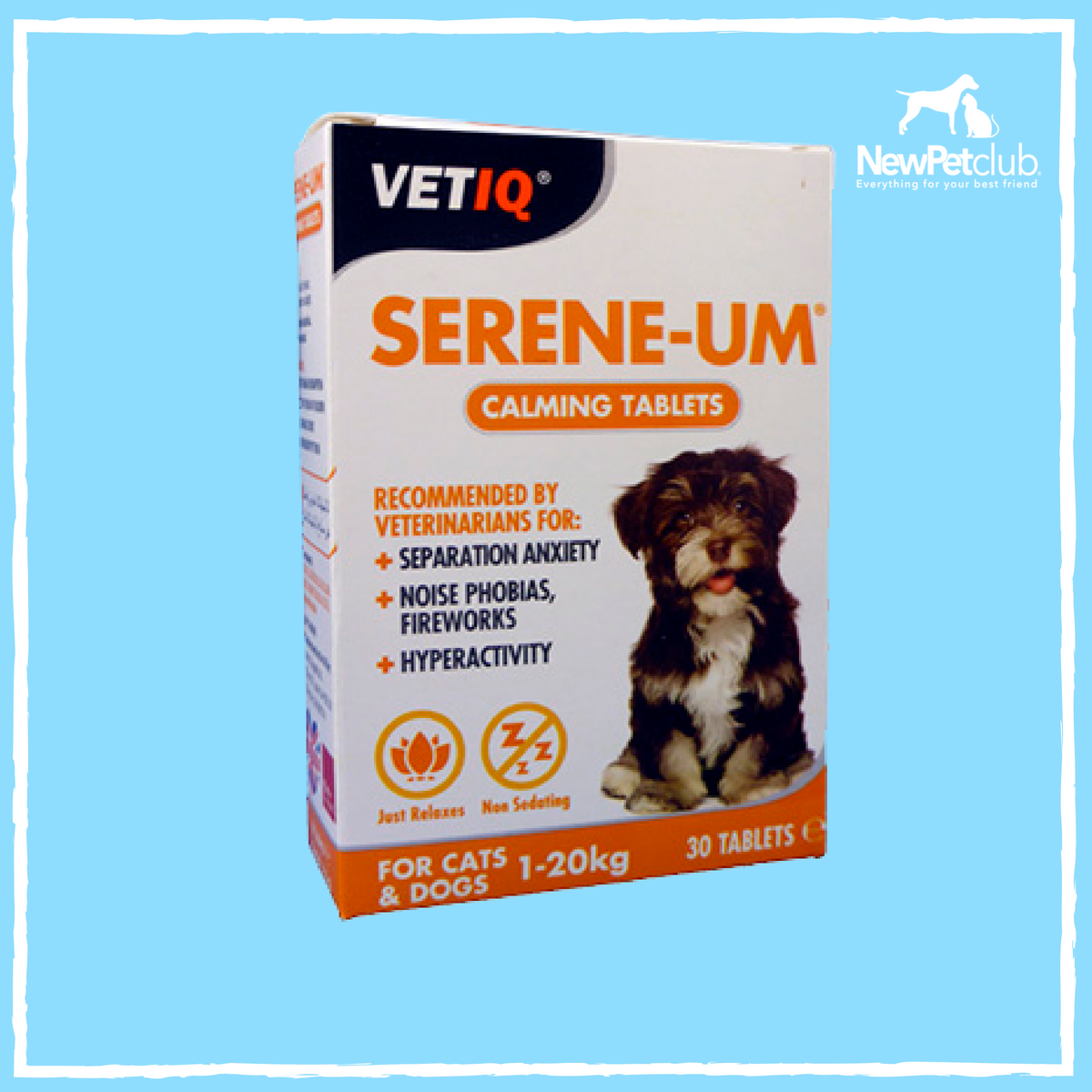
If our little friend is restless and nervous, for long trips we can use supplements or natural sprays that will help to make them calmer and better face the whole trip. We can use these products in situations where he feels discomfort.


natural tranquilizers

WeCalm

Pet Remedy

Kalm Aid Serene-Um

Tip 5 – Do not eat before the trip

Motion sickness is an unpleasant sensation and can create a negative association with riding in a car.

In addition to driving smoothly and safely, we should also not feed or drink to our animal 3 hours before starting the adventure.

If necessary, we should ask the vet for some medication to prevent motion sickness.


Tip 6 - Don't be in a hurry

To fully enjoy the trip, we have to do everything possible to make it as pleasant as possible, for us and for our little friend. We recommend:

  • Take breaks every two hours;
  • Choose safe and appropriate places to stop;
  • Regularly hydrate our dog, so that he can relieve himself and exercise a little.

Bruna Fernandes
NewPet Team

Tips for the Cat to use the litter box

Submitted by info on

Cats are hygienic animals and have a natural appetite for doing their physiological needs in a place with earth or sand.

For this reason, we must train our cat from an early age to use the litter box.

Here are some tips and products to make this process easier.

Tip 1: Choosing the ideal litter box for our cat

Each of our cats must have their own litter box.

We should soon choose a large model, avoiding changing boxes when the cat grows up.

The box should have enough space for the cat to get around it and be deep enough so that the litter doesn't come out.

If our cat is small, we must make sure that he can easily access the box.

Tip 2: Opt for non-fragrant sands, preferably

There are several types of sand available in the market.

We should opt for sands that contain the least amount of dust and that are not scented.

In this way, we prevent our cat from getting irritated, helping him, at the beginning, to identify the place of his needs.

Tip 3: Place the litter box in a quiet location

We must place the litter box in a place accessible to our cat, but at the same time it is quiet and where he can have privacy.

So we are avoiding passing places, with many people and our cat can maintain a hygiene routine.

Don't forget that the litter box must be far from our little friend's food.

Tip 4: Teach our cat to use the box

When using the litter box for the first time, we must move the sand by hand and place the cat on top of the sand, so that it gets used to the smell and texture. In the early days, putting it there after meals is a good strategy.

If he urinates or defecates outside the box, we should gently pick him up and take him quickly to the box, so that he associates the place where he should do it.

We must not punish our cat. In fact, rewarding him whenever he accomplishes this task is the best approach.

Tip 5: Clean the box regularly

Last but not least, we cannot forget to clean the litter box, as cats do not like to use it if it is dirty.

In the first few days we can be less strict with the hygiene of the litter box, so that our little friend can easily detect its smell and use the litter box again.

After getting used to it, we should remove the feces daily and change all the sand once a week.

Heads up!

In the event that we have used the previous tips and our cat continues without using the litter box, especially if it is over 4 weeks old (when its instinct begins to develop), it is important to consult the veterinarian to exclude any illness.


Products

There are several sands on the market. The secret is to find the one that our little friend is most comfortable with.

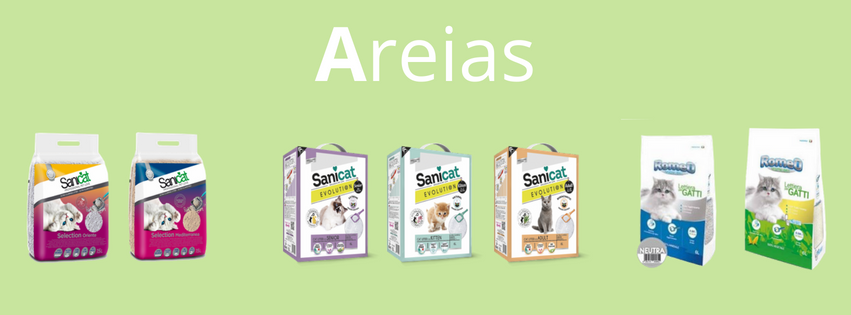
Sanicat – Ultra Binder sands have high absorption , form ultra-compacted agglomerates , are durable and 100% natural .

Sanicat Evolution sands are also highly absorbent , agglomerating and do not generate dust . They are made from 100% natural and top quality products. There is for kitten , adult and senior .

Romeo sands are 100% mineral, super binding and odor control. There is no scent or with a mild aroma – talc or lavender . There is the vegetable romeo sand, super binder, made of corn and dust free. The clumps are easily removed and can be flushed down the toilet.
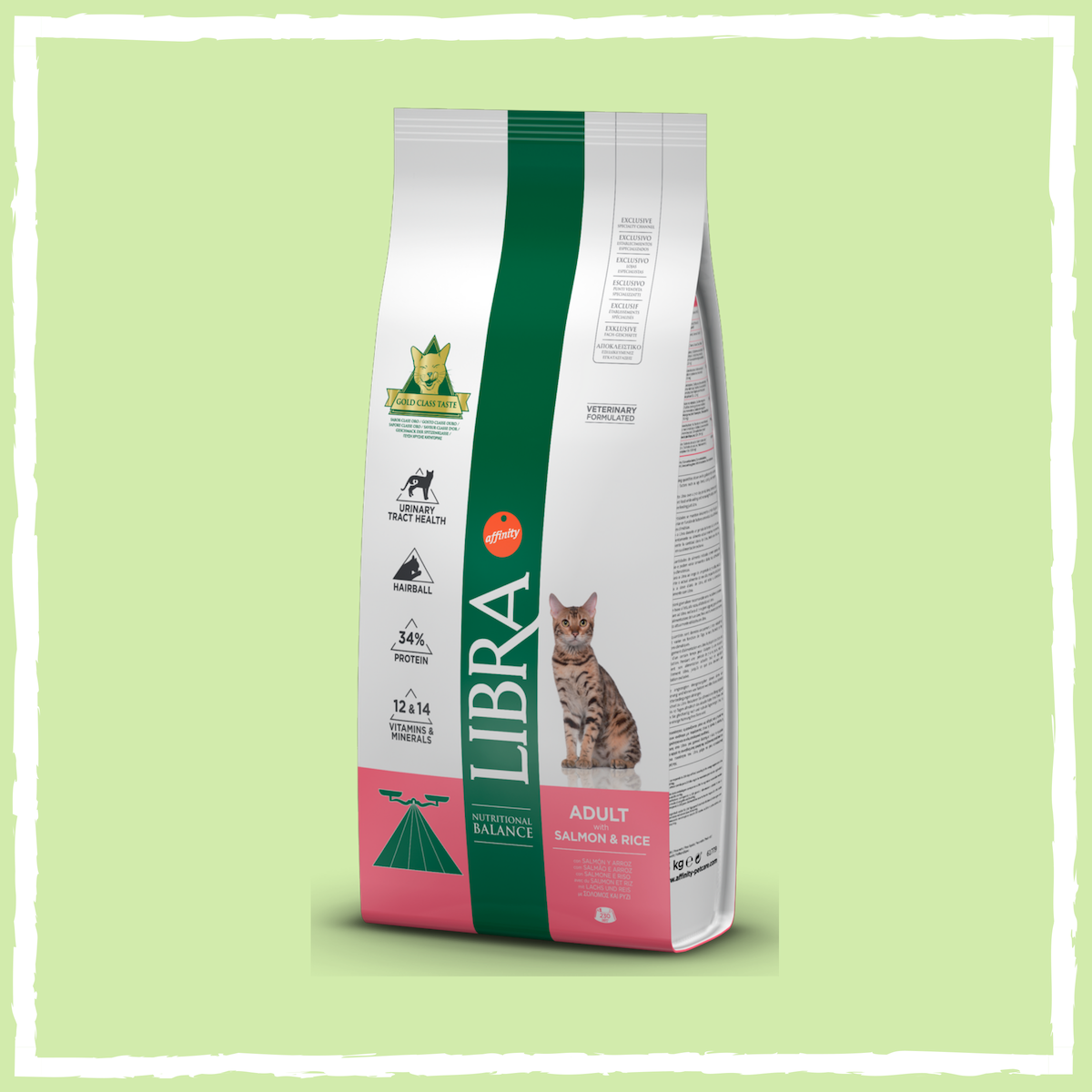
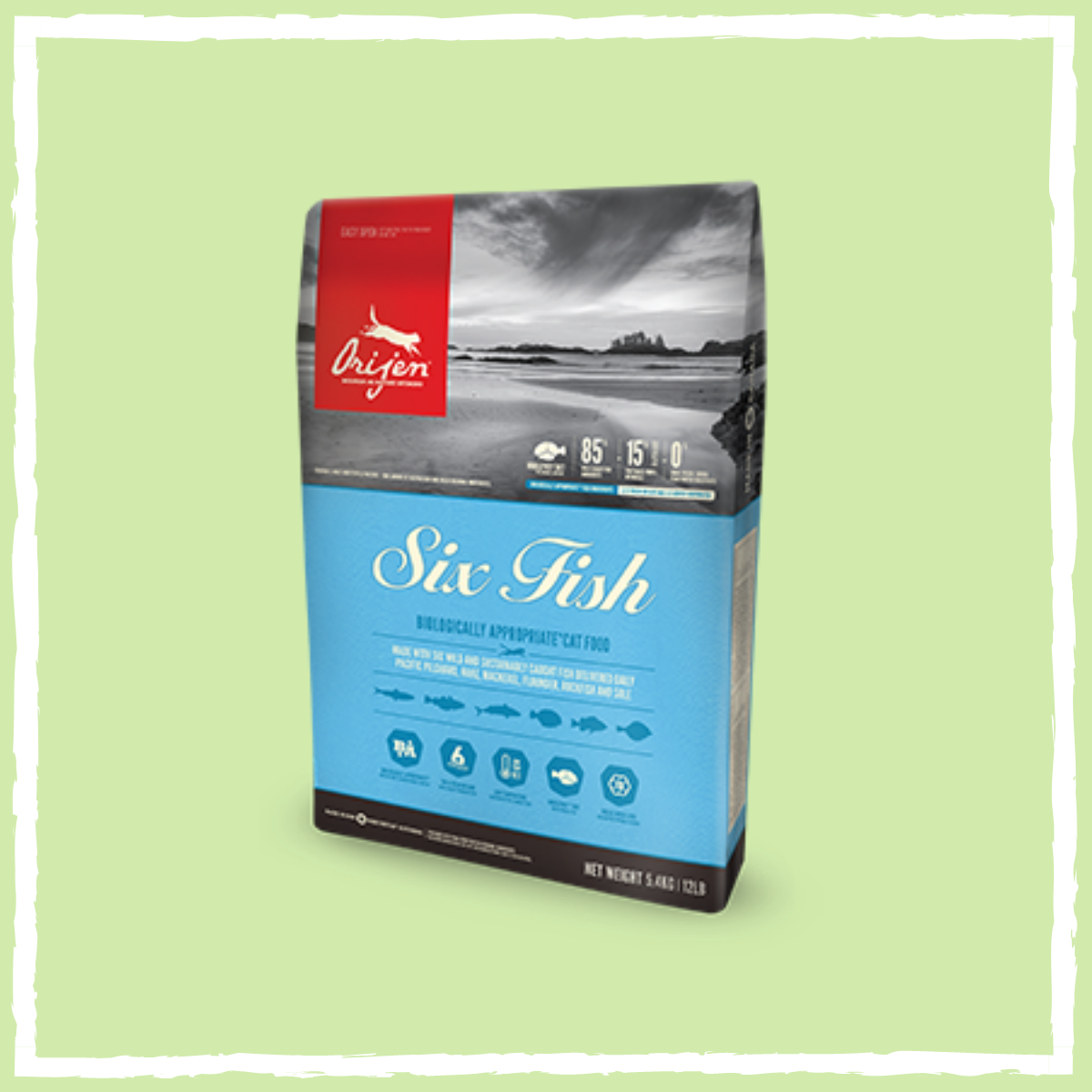

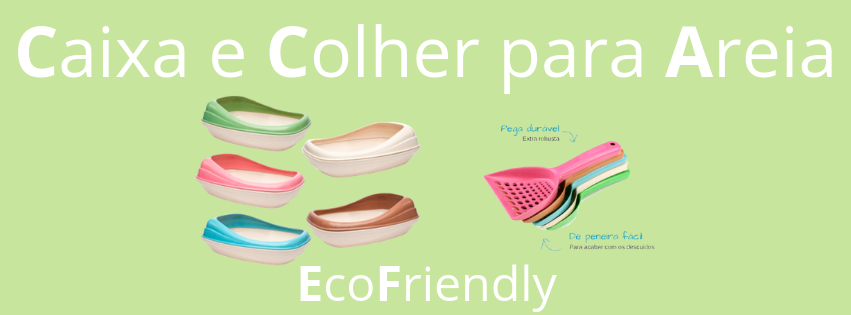
For those more concerned about the environment, Beco Pets products are a must-have . In addition to being ecological and made of sustainable materials, they are also robust and with an elegant and bold design .

The Beco Tray litter box is sturdy, with a high back that prevents sand from projecting out of the box.

The Beco Litter Scoop sand scoop makes sifting the litter box quite easy, with a gradation of hole sizes, from the smallest to the largest.


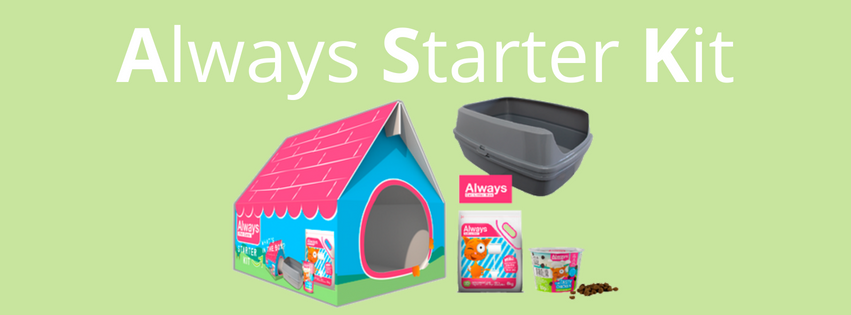
For those who have a new little friend at home, this is the ideal kit !

At an economical price, this kit comprises: a 6kg bag of super- caking sand ; a fantastic litter with sieve , super easy to use ; a pack of healthy and super appetizing snacks .

In addition, all products come in a box that can be turned into a home for our little friend!

Bruna Fernandes
NewPet Team

Hair Loss in Dogs and Cats. What to do.

Submitted by info on

Hair loss in dogs and cats is a natural process throughout the year, but it occurs more intensely in two phases: in spring , when the hair becomes finer for the summer; and in autumn , preparing for winter.

Discover some causes for hair loss.

Even though it is inevitable, we have some tips that reduce the discomfort of hair loss and see in which situations we should be alert, as they can indicate a non-physiological process.

Causes

There are several causes that influence the loss of fur in animals. The most common are weather and temperature .

With the change of seasons , hair loss tends to increase in dogs and cats. It normally occurs in Spring and Autumn. The same with temperatures : when it is too hot at a time that should be cold or vice versa, hair loss can be accentuated with this situation.

If we have a female dog or cat that is not spayed, heat will also trigger a hair change.

Changing the feed can also cause our little friend's fur to fall out. If it doesn't adapt to the food, our animal may even be in a continuous change of fur.

When our dog or cat is in stressful situations, it can lead to a constant hair loss. Allergies can also lead to fur or even a constant hair loss.

Tips

Food

The best way to reduce hair loss is to feed our animal well and properly.

For example, diets rich in omega-3 and omega-6 contribute to silky, less brittle hair.

In addition, there are vitamin supplements that can improve the quality of the coat, but they should be given with caution.

It is also important to keep our little friend hydrated, offering him fresh, clean water frequently.

dog food

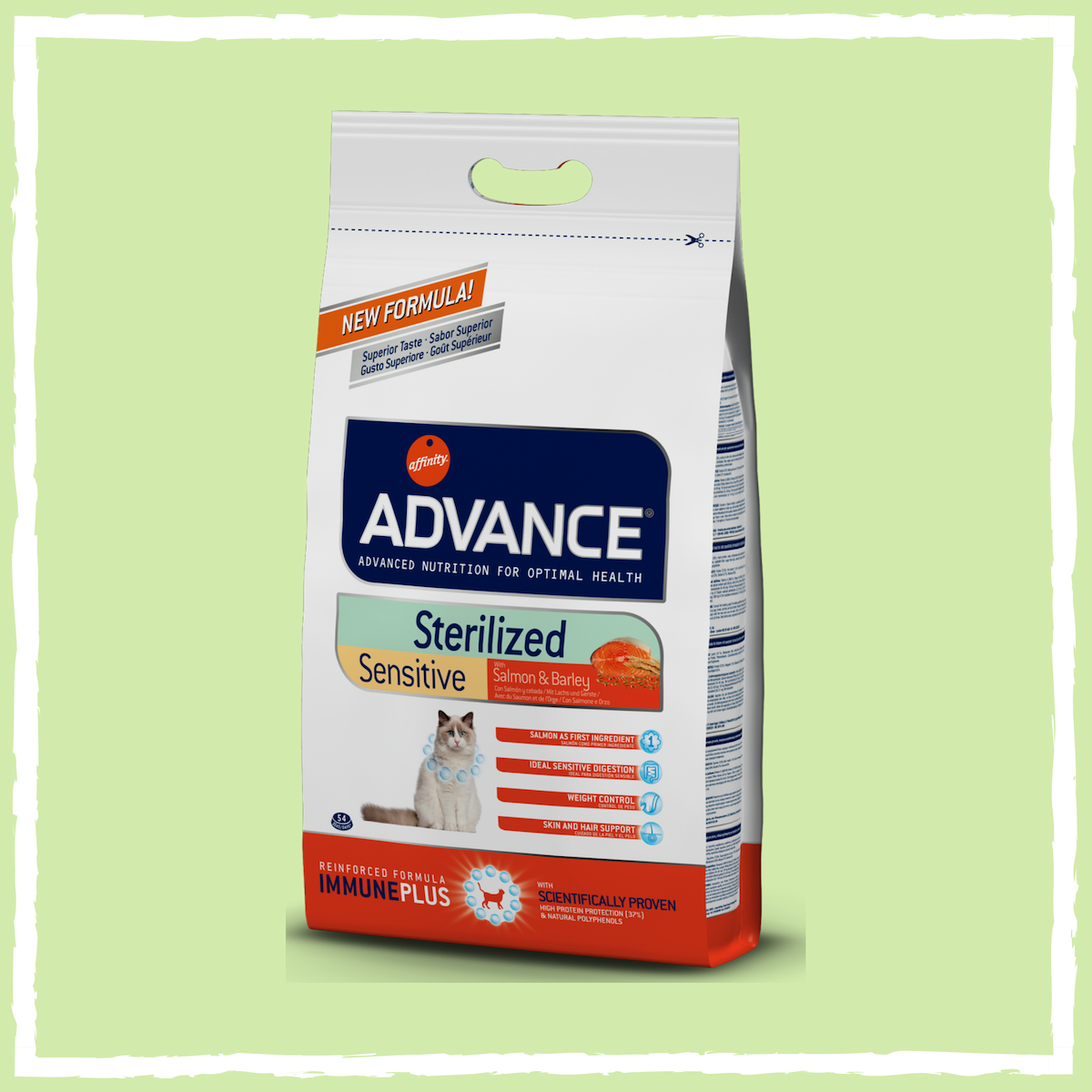
cat food

Bath

Bathing is another way to remove excess hair and it should be done regularly, also depending on the type of hair of our animal.

Excessive bathing should be avoided as it can dry out the skin and remove skin oils that contribute to healthy hair growth.

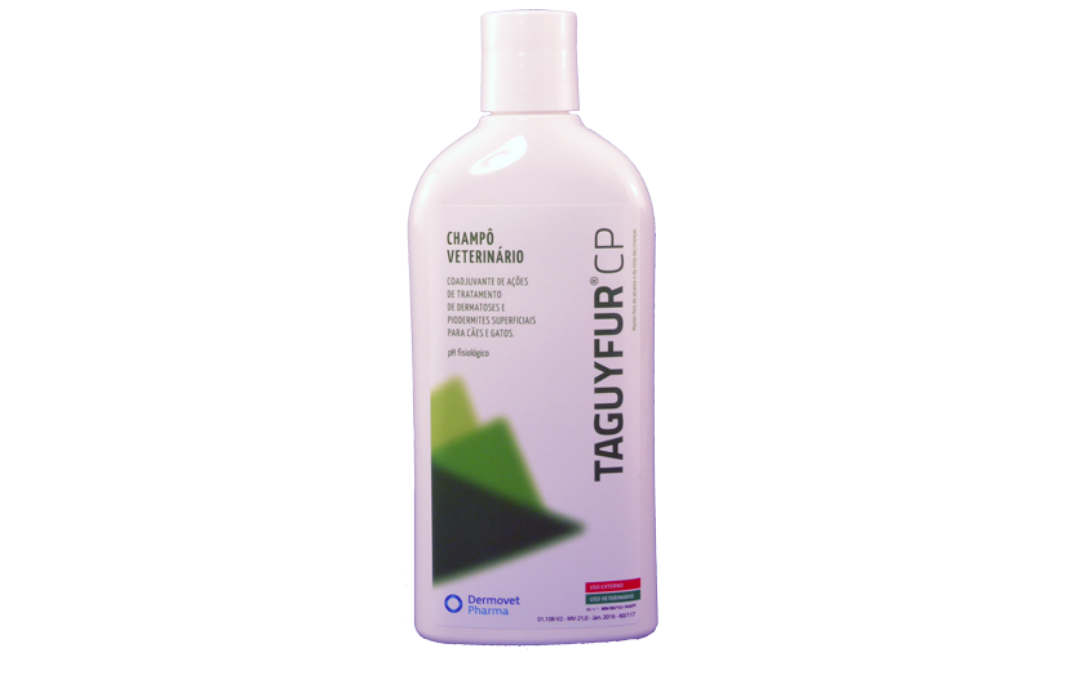
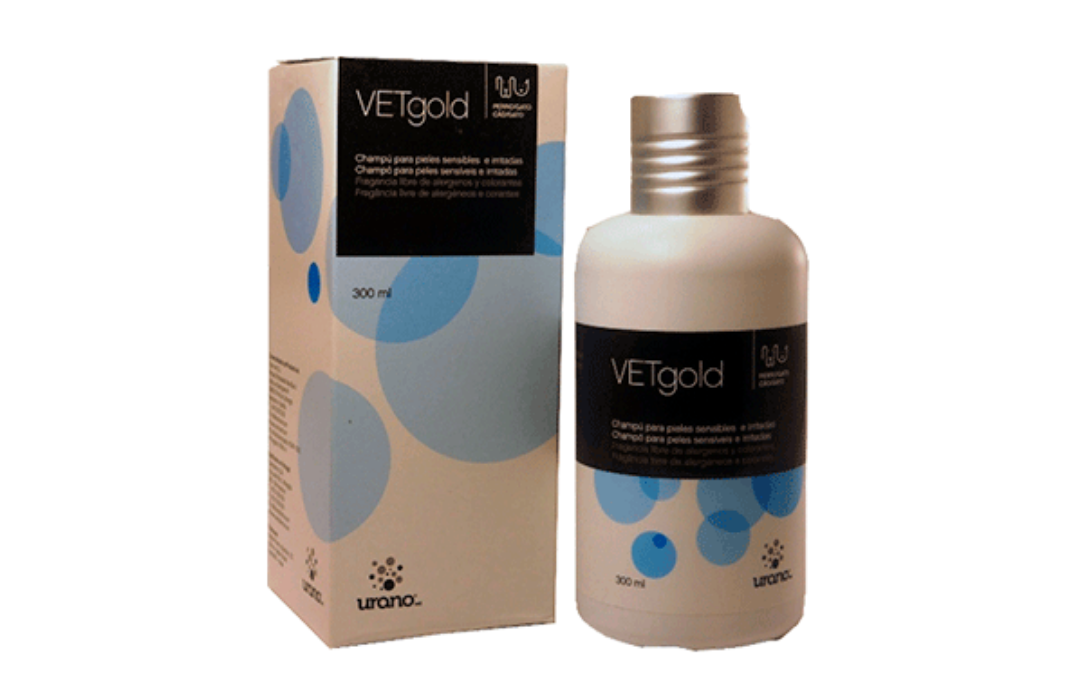
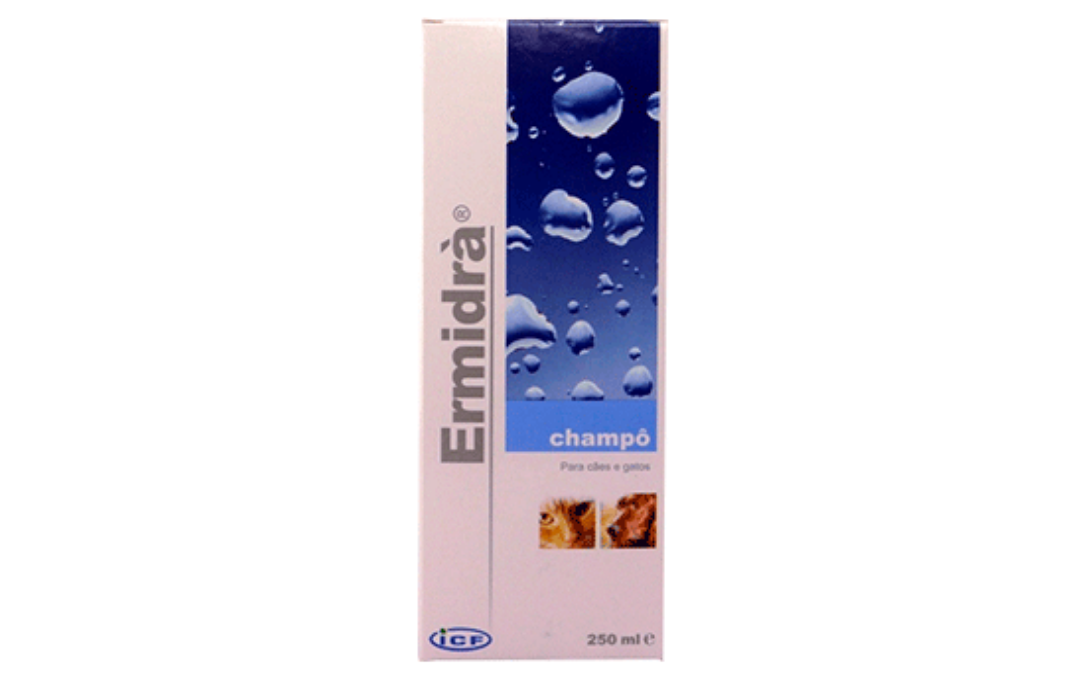
Taguyfur is a shampoo that supports the treatment of superficial dermatoses and pyoderma, helping their treatment. VetGold is a shampoo that promotes the natural recovery of dehydrated, malnourished, irritated, itchy and damaged skin by external agents. Ermidra is a mild shampoo for sensitive skin, suitable for frequent use. It can be used to soothe reddened, irritated and dry skin.

supplements

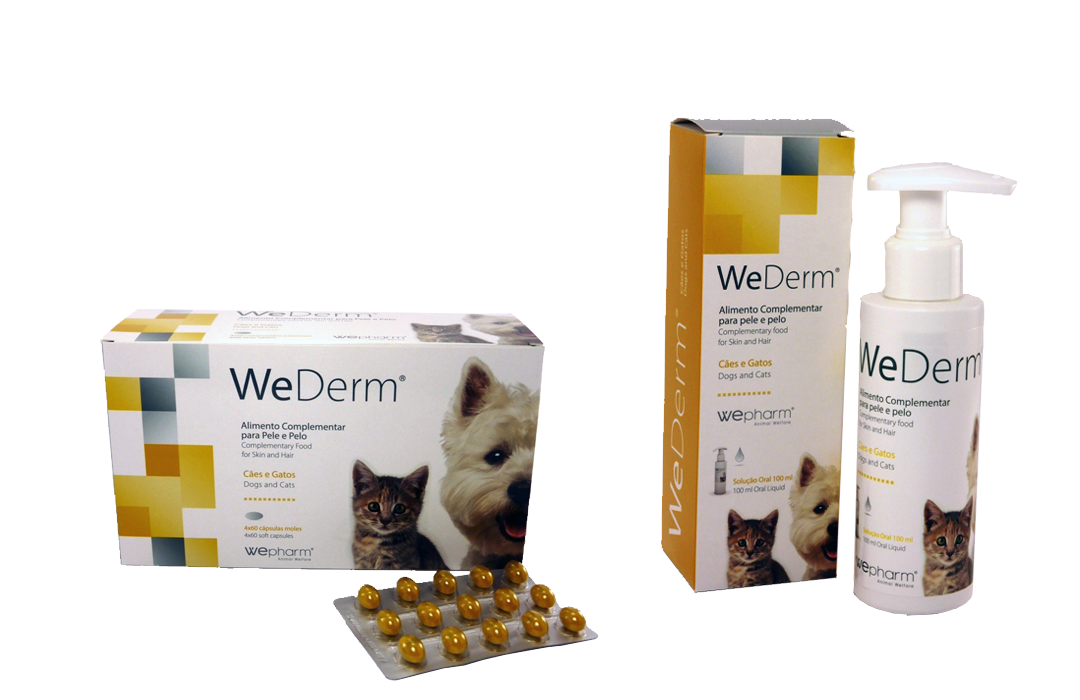
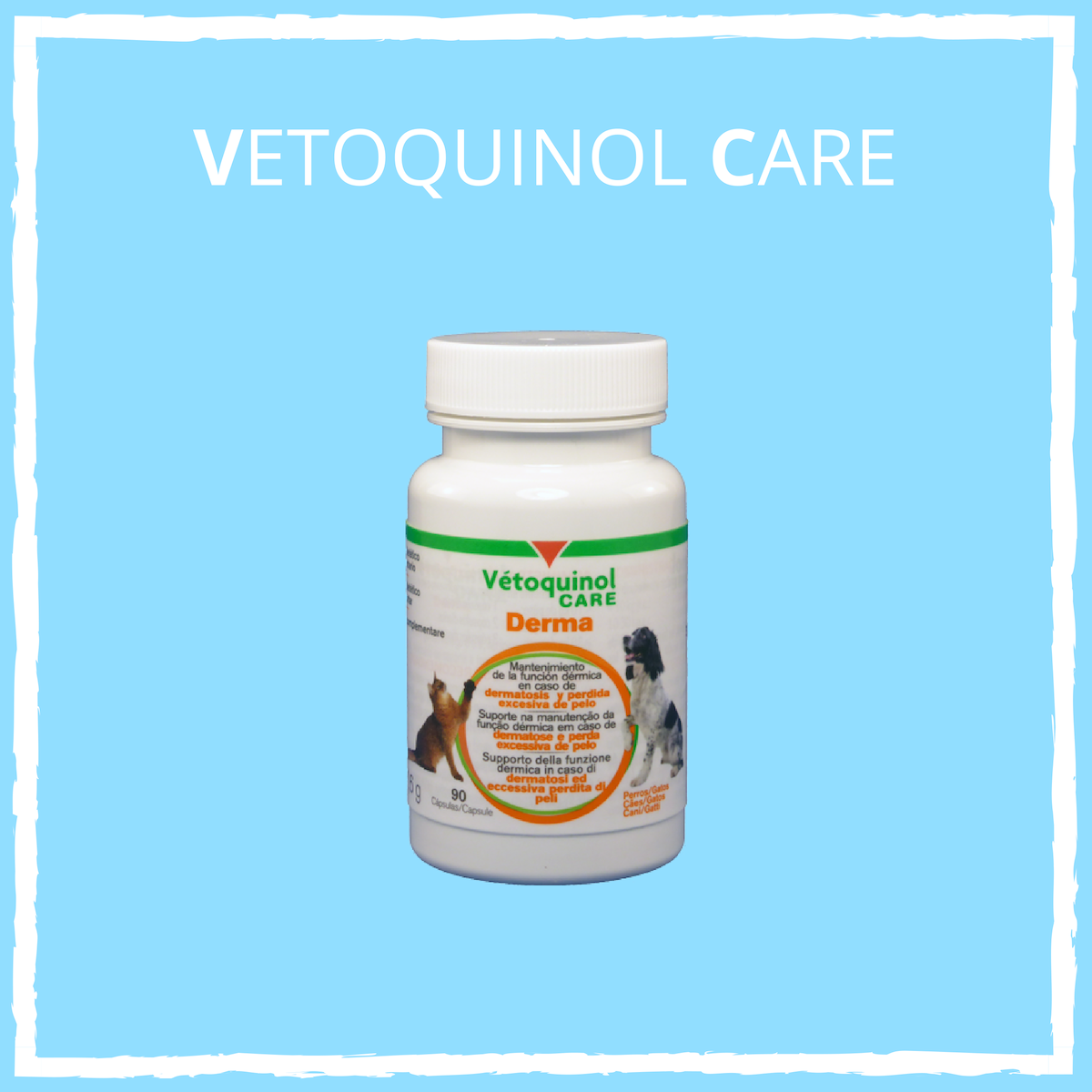
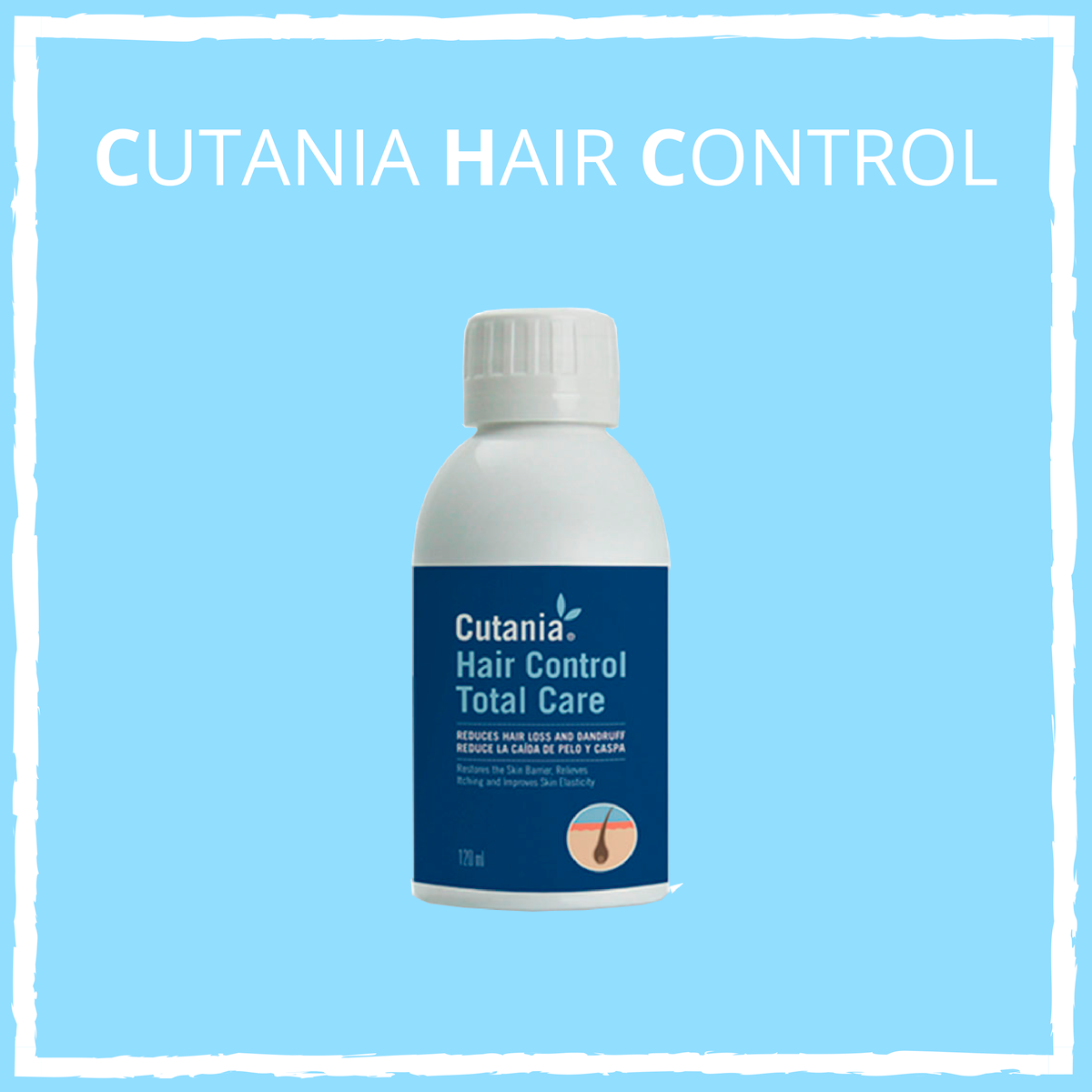
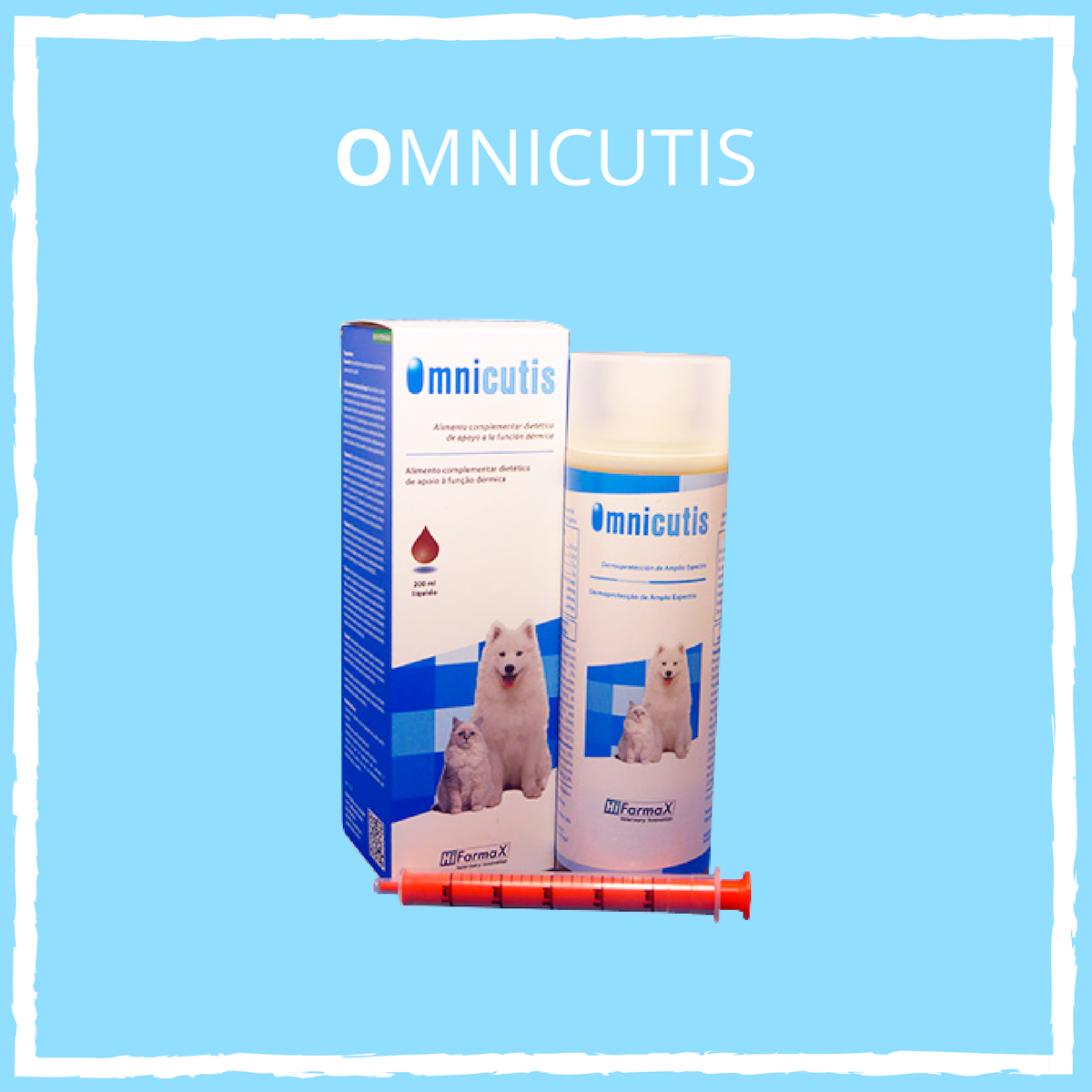
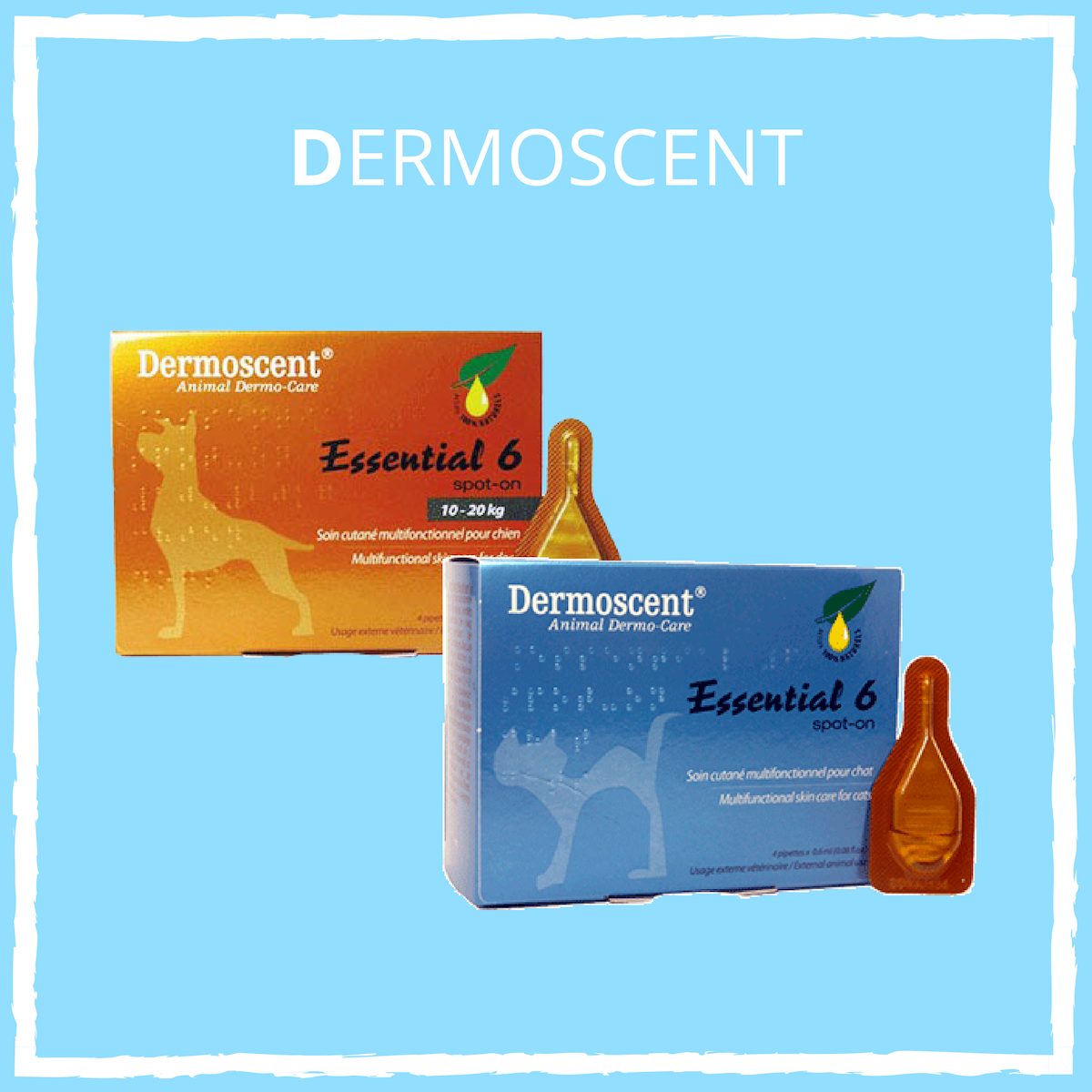
WeDerm : complementary food for dogs and cats with a high content of essential fatty acids, vitamins and minerals, developed to support dermal function.
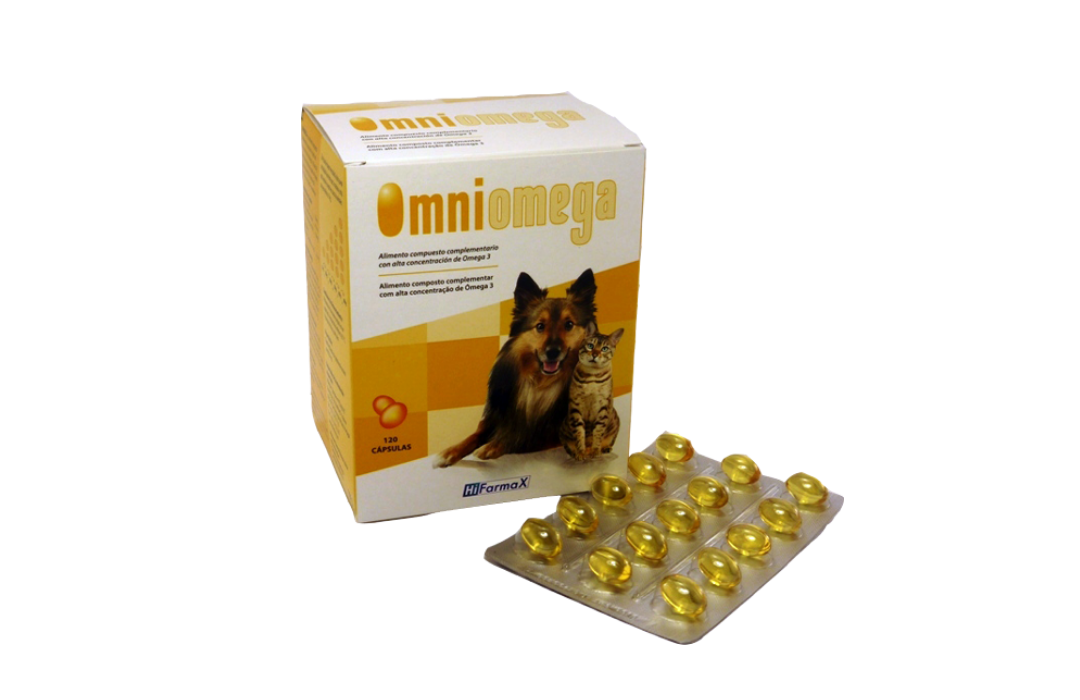
OmniOmega : combines the highest amount of EPA and DHA, the most effective omega 3s, with the antioxidant effect of vitamin E in a capsule formulation, with multiple benefits in dermal pathologies.
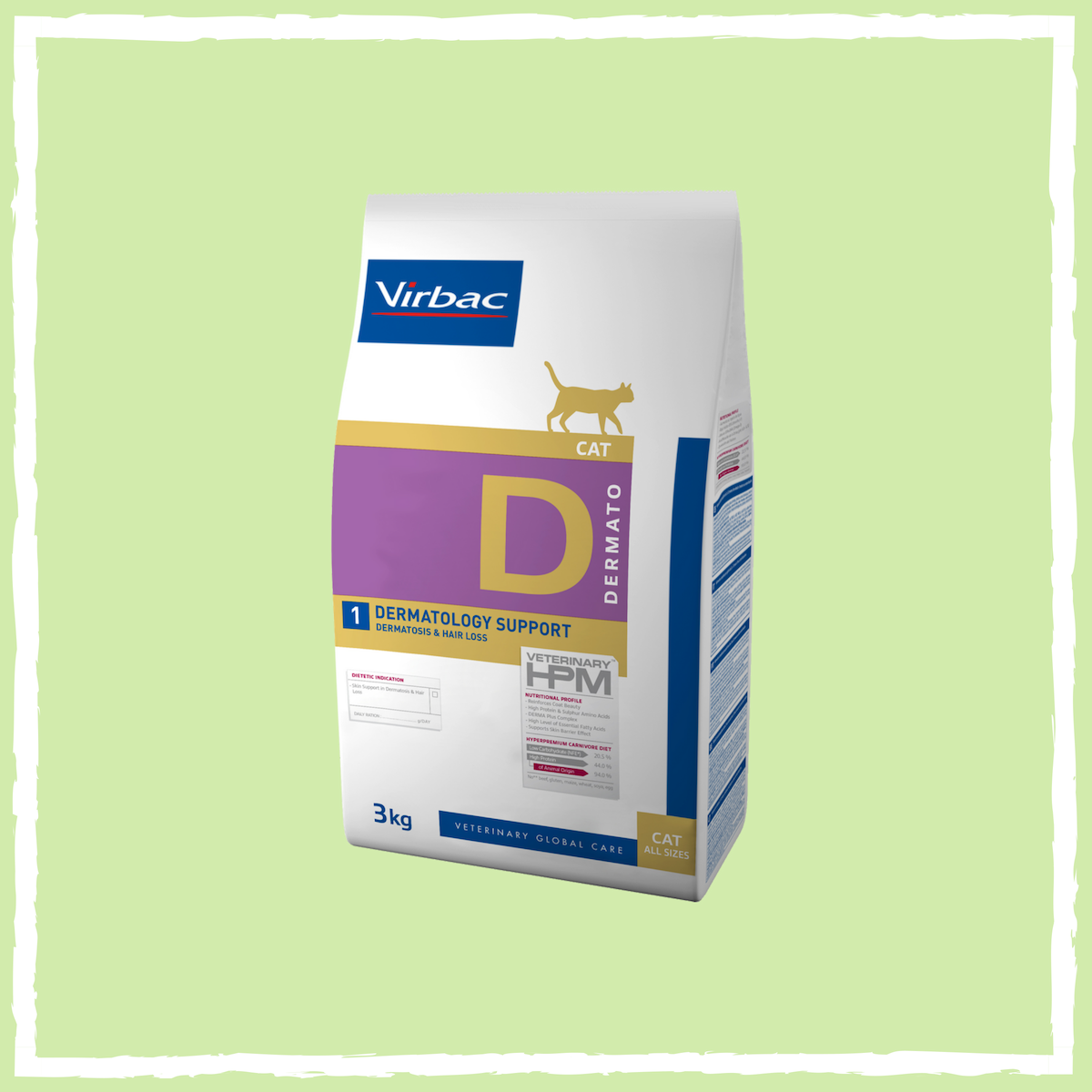
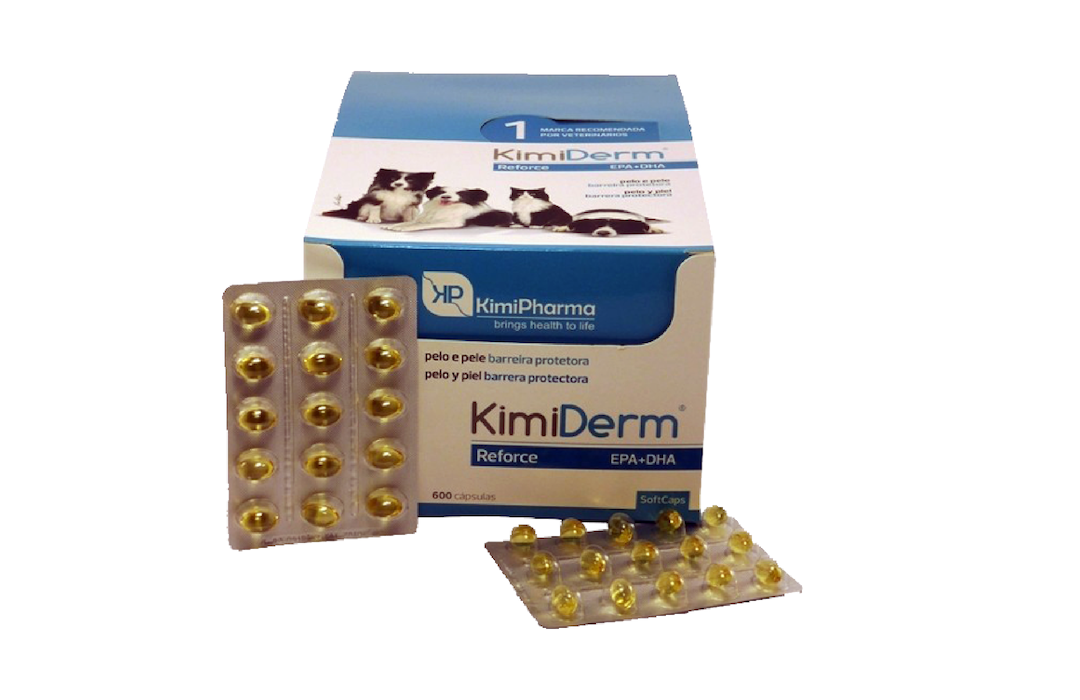
KimiDerm : dietetic food for dermatoses, allergies and alopecia in dogs and cats, with a high content of Omega-3 essential fatty acids and vitamin E.
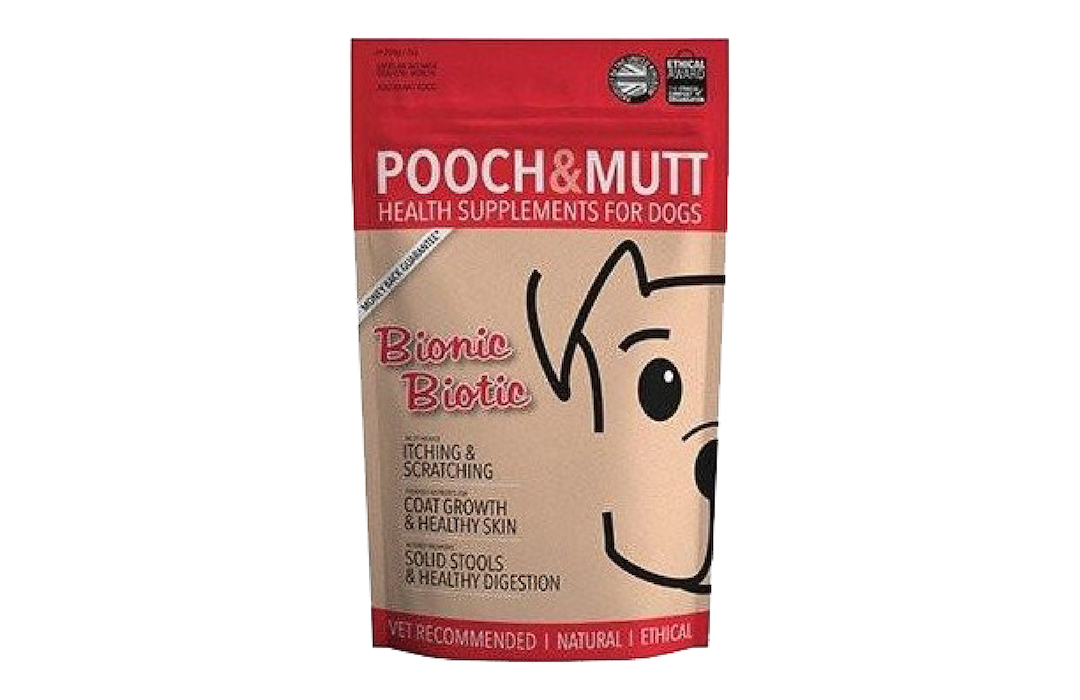
Pooch & Mutt – Bionic Biotic : Natural pro biotic supplement for dogs that promotes solid stools, healthy skin, a shiny coat and normal digestion.

brushing

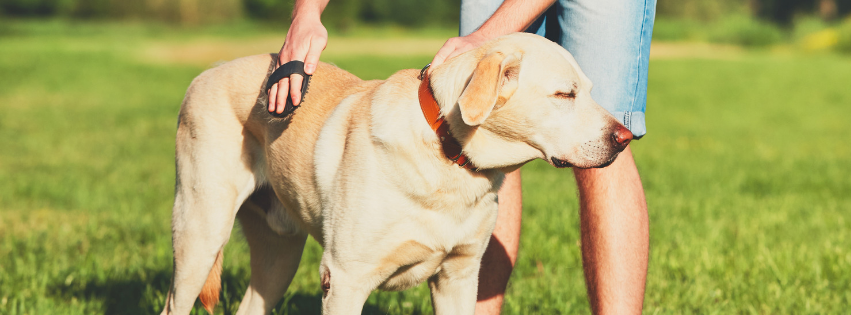
Dogs and cats should be brushed regularly, varying the frequency and type of brush according to our pet's fur.

Thus, long-haired animals need more frequent brushing and, therefore, end up losing less hair.

On the other hand, short-haired animals should be brushed with softer brushes, which allow the removal of excess fur, redistributing skin oils and avoiding damage.

Bruna Fernandes
NewPet Team

Golden retriever

Submitted by info on

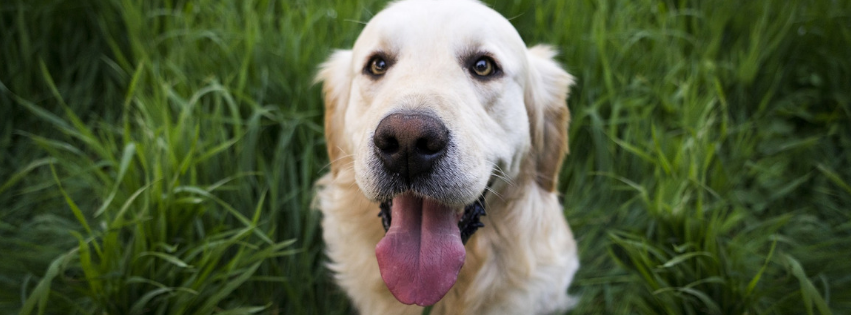
Who doesn't love Golden Retrievers?

From his friendliness to his ability to search, he is a beloved dog around the world.

Find out more about these bigeyes: how the breed came about, characteristics and main health care.


provenance

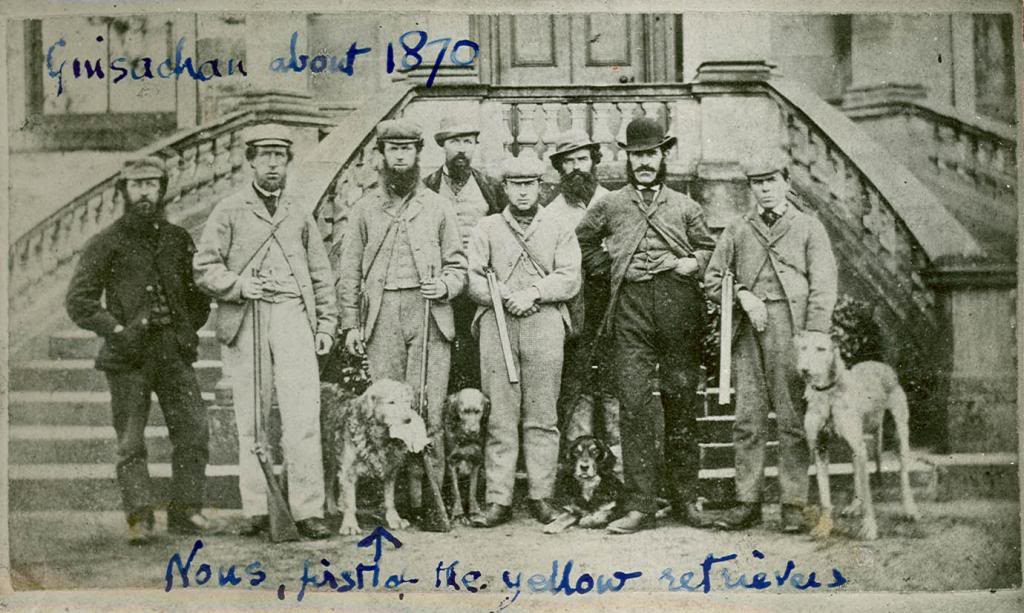
The Golden Retriever breed appeared in Great Britain in the 19th century, arising from a mixture of the Water Spaniel, Newfoundland and Irish Setter dog breeds.

It is said that the person responsible for the breed was Lord Tweedmouth.

At a time when there was a heightened interest in search dogs, Lord Tweedmouth made crosses to obtain a dog that could search dense vegetation, swim in cold water and perform rescues.

The Golden Retriever breed was then recognized in 1912.

With their departure to America, they became quite popular there.

First as a hunting dog and later as a pet, show dog and even competing in obedience trials.


Features

Size:
Male dogs of the breed usually measure between 56cm and 61cm and their weight varies between 26kg and 31kg.
Females of the breed measure between 51cm and 56cm and weigh between 25kg and 27kg.

Coat:
Their fur is golden or cream colored. It varies between smooth and wavy.
The undercoat is dense and waterproof.

Average life expectancy:
Golden Retrievers have an average life expectancy of between 10 and 13 years.


Behavior

It is one of the most beloved breeds by animal lovers, because they are so gentle.

They tend to be obedient and that's why they are an easy breed to train.

It is a dedicated, affectionate and very protective animal, which makes it an excellent family dog.

Also due to the fact that it is an intelligent breed, it is highly requested for roles as a rescue dog, therapy dog or even as a guide dog for blind people.

But there is one profession for which the Golden Retriever is not well suited: securing the home from strangers. This is because, even for people he doesn't know, he is usually very docile.

When we have a Golden Retriever we have to be aware that this is an energetic dog, so it needs to exercise daily.

He also doesn't like to be alone, so living in an apartment where he doesn't go out for a long time is not the ideal situation for this bigeye.

If we want a little friend of this breed at home, we have to be aware that we need to have time and energy for him.


Health

Overweight:
This is a dog that loves to eat, so it has a natural tendency to increase its weight, with sterilized animals suffering the most from the weight problem.
It is also necessary to be careful with their weight when our Golden is over 6 years old, as they tend to exercise less, which can increase their weight.
Excess weight can bring other problems, such as joint and cardiorespiratory problems.
So, in addition to them loving exercise, we should do it in order to control their weight and give them a good quality of life.

Joints:
This breed can suffer from hip and elbow dysplasia.
These joint problems can be hereditary and degenerative, which can cause pain to our little friend and make him walk strangely.

Heart disease:
Golden Retrievers tend to have a heart disease: dilated cardiomyopathy.
We must consult with our veterinarian and give our dog adequate food in order to prevent the onset of the disease.

eye problems:
Cataracts can be one of the problems that can appear in Golden Retrievers.
They are usually hereditary and can cause vision problems.

Other care that we must have with our bigeyes:

  • A beautiful and fragrant coat, with regular brushing and dry cleaning, gives our little friend a good appearance and health;
  • Half an hour of walking and daily sunbathing are the best for the longevity and well-being of animals of this breed;
  • Feed with characteristics that guarantee easy digestibility and prevent weight gain.

Bruna Fernandes
NewPet Team

The Importance of Hydration

Submitted by info on

One of the fundamental care to take with our pet is to ensure good hydration.

Not only in the hottest periods, but regularly throughout your life.

In this way we help prevent future health problems.


Advantages of Hydration

In dogs, hydration helps ensure good metabolism, improving food digestion and breathing.

Water also helps the dog to release toxins and regulates his body in times of great heat.

In cats hydration is still important, but not so much because of the heat, because cats do not suffer as much as dogs with high temperatures.

The great advantage is in preventing future problems in the urinary system, very common in our feline friends.


Tips to Keep Our Animal Hydrated

dogs

We must take special care of our dogs so that they do not suffer from dehydration:

  • When we go for a walk, we should take a bottle of clean water to hydrate our dog or even walk him in parks with specific water fountains for dogs.
  • On the hottest days, avoid physical exercise with the dog, or opt for less hot periods of the day.
  • On car trips, take regular breaks to give our little friend water.

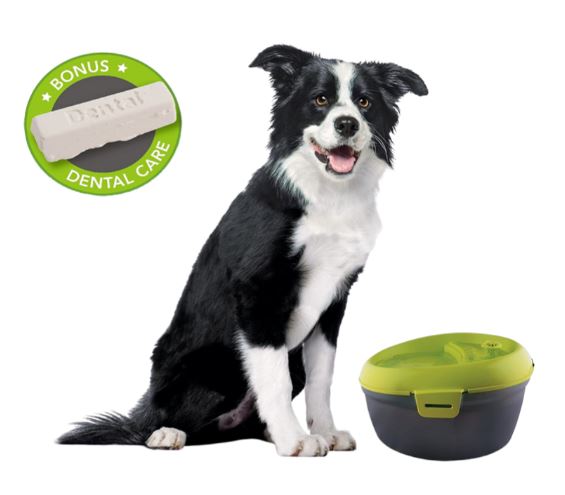
water fountain for dogs

- Stimulates the increase of water consumption of our dog.
- Helps in oral hygiene, using the dental bar in the water.


Cats

To keep our cat well hydrated, we can help in several ways:

  • Always provide fresh and clean water or even have a source for cats. As a rule, running water makes cats drink much more often.
  • Moisten our cat's dry food with some fish or chicken broth or even hot water.
  • Regularly give wet food, suitable for cats.

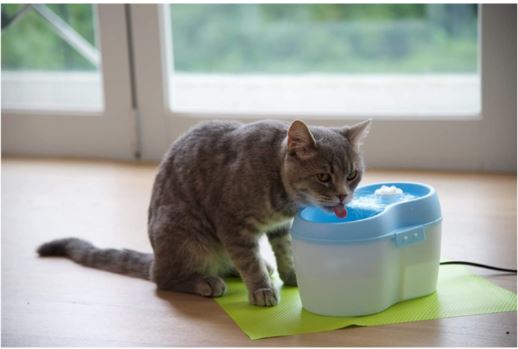
water fountain for cats

- The perfect way for our cat to drink more water, as all cats prefer running water.
- Helps in oral hygiene, using the dental bar in the water.

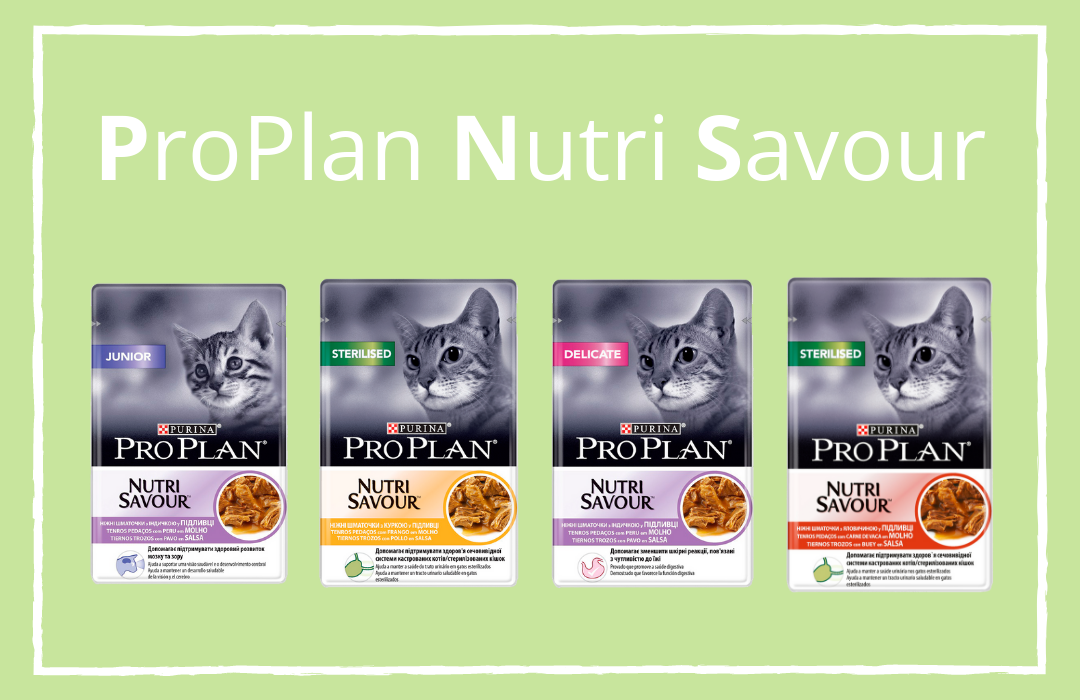
Wet food for cats

Natural food that contains meat and raw ingredients of the highest quality, steamed to guarantee the conservation of all its nutritional and natural properties. Complete and balanced wet food that contains all essential nutrients. There are several flavors, for kittens, spayed cats or those with sensitive digestion.

Bruna Fernandes
NewPet Team

Advantages of Collars on Cats

Submitted by info on

Do you want to know why we should put a collar on our cat?

Here are some of the advantages.


Know where our cat is at home

Cats are animals that can be silent, which means we never know where they are.

Having a collar with a rattle, we can find out where our cat is and in which room of the house he's been messing with his.


Be easy to find when lost

Despite being domestic animals, cats are independent and explorers. Therefore, it is normal that they like to walk outdoors.

If, by chance, our little friend can't find his way home, it's important to have a collar that identifies him and helps anyone who finds him to contact us.


Alert your prey

Cats are animals with hunter instincts. They like to be helpful and thank you for taking care of them, catching birds and other small animals.

If we don't want it to have this behavior, when we put on a collar with a rattle, the other animals will hear their presence.


protect from parasites

The collar can also be used as a protector for fleas, ticks and other parasites that our cat can find on the street.

There are deworming collars and also repellents that are placed on normal collars, with the same effect.


give a stylish look

All the above arguments are valid, but there's nothing like reconciling all these advantages with a touch of charm.

Our cat can get an impeccable style if we put a collar full of color and pattern. They will love it and so will we.


Our Products

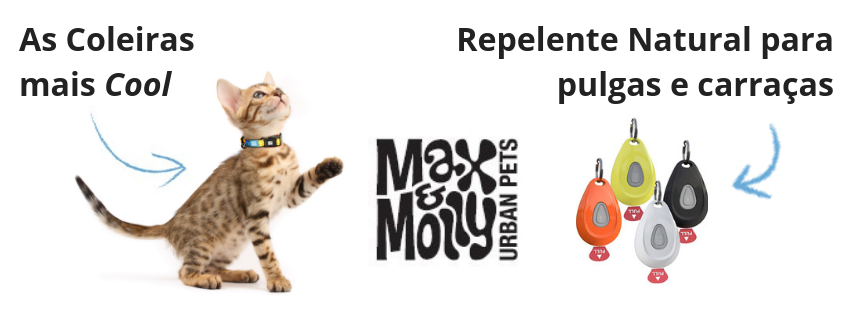
The products   Max&Molly are ideal for protecting and styling our little friends:

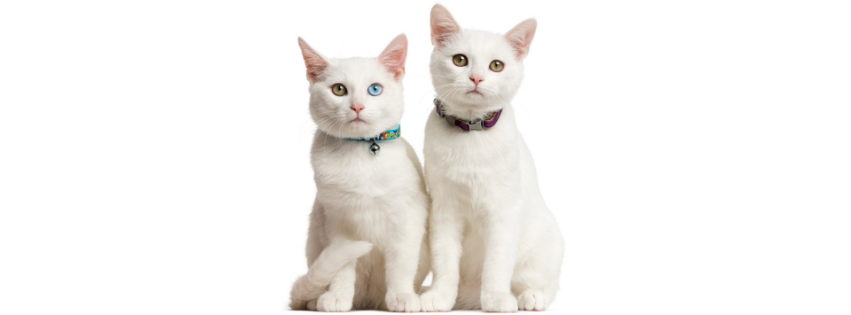
The collars, in addition to the colorful and irreverent patterns, are made of a resistant and washable material, in addition to having a rattle and an identification plate that will help us find our cat if it gets lost.

The zerobugs flea and tick repellent can be placed on our cat's collar, effectively protecting it and in a totally ecological way. It is non-toxic and does not release any odor.

Bruna Fernandes
NewPet Team

Extra care to take in the cold

Submitted by info on

With the increasingly cold weather, it is important that we take care of our animals.

Find out what we should do differently to make our little friends as comfortable as possible.


Tip 1 - Sleep in a warm, dry place

If our animal sleeps outside, we must pay special attention to ensure that it is in a warm place, protected from the rain.

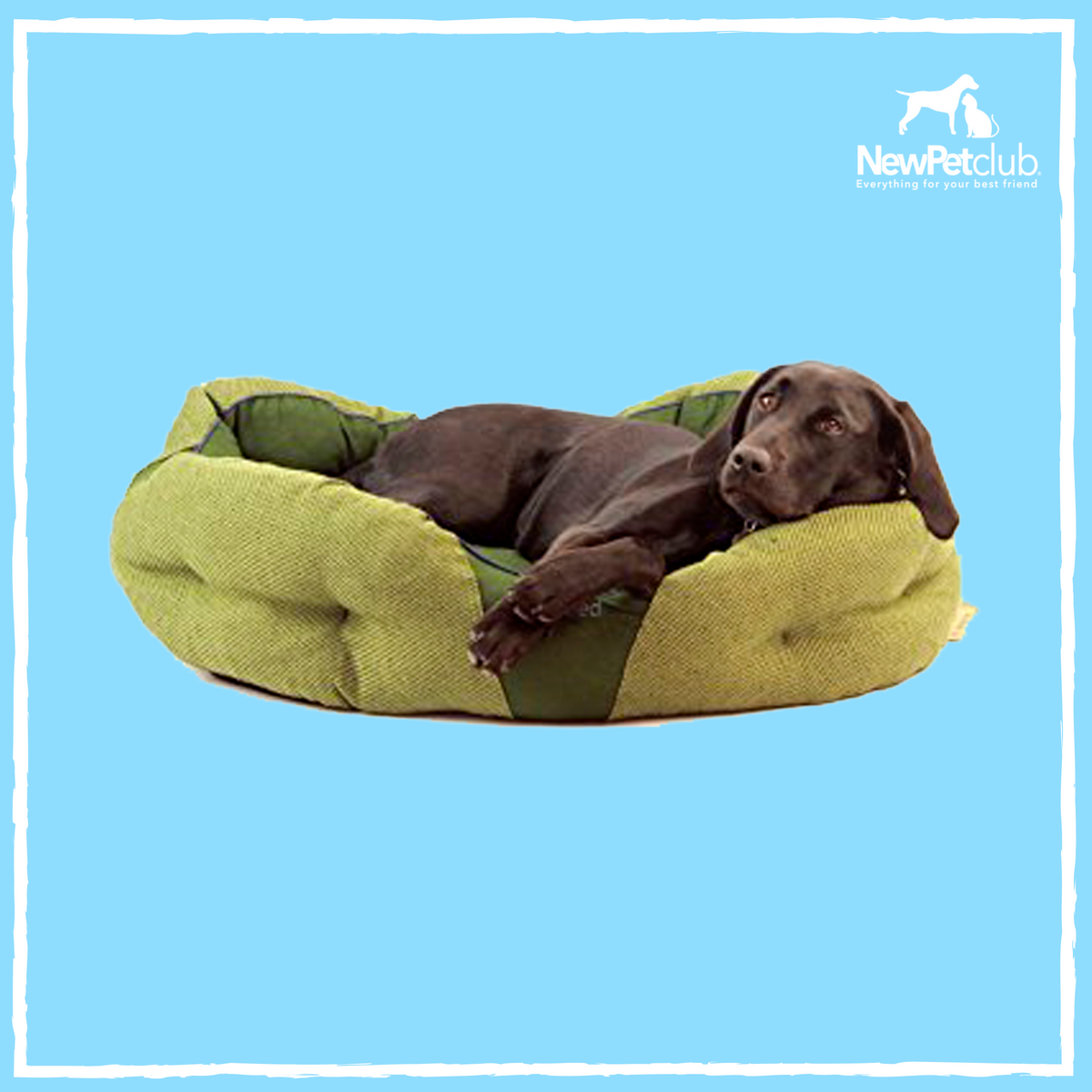
If our little friend sleeps indoors, it is important to ensure that he has a comfortable place and a blanket to protect him from the cold.


Tip 2 - Avoid baths and clippings

At this time of year, the frequency of bathing should be less than in hot weather. With the cold, the fur always takes longer to dry. We must try to find alternatives so that they remain clean and fragrant.

Also the clippings must be reduced and we must not put the fur of our animal too short, because the fur is the natural protection of our little friend, especially at this time of year.

Products

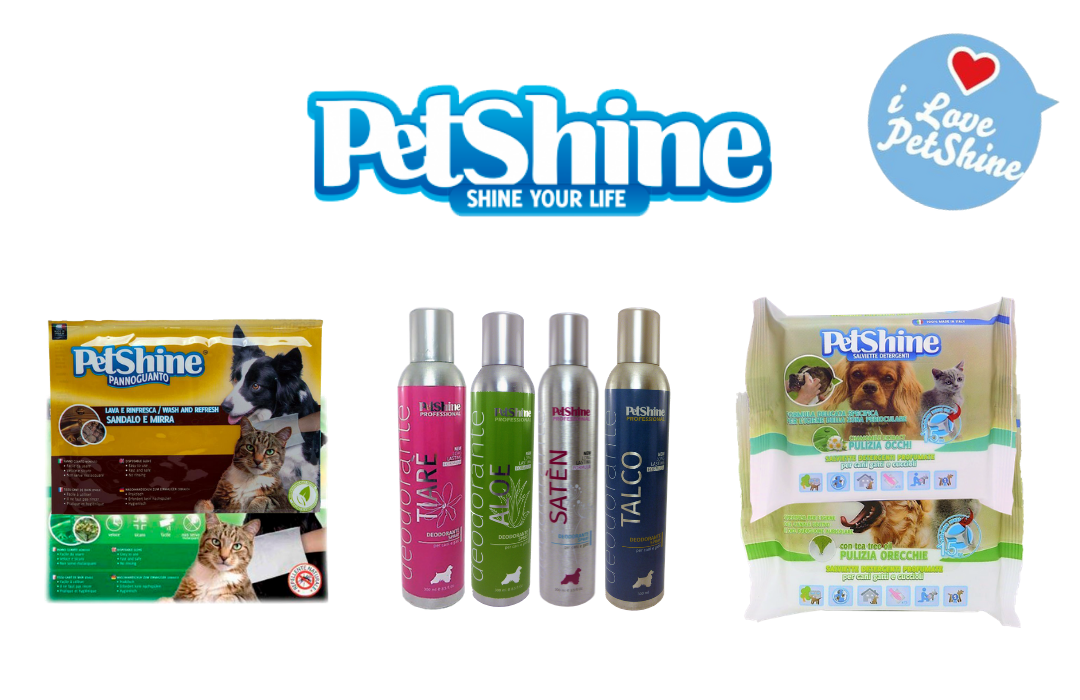
PetShine Products

Petshine products guarantee the cleanliness of our bigeyes, avoiding a very regular bathing frequency. They exist:
– Deodorants that eliminate bad odors from dogs and cats.
– Gloves and wipes to clean your fur, eyes and ears.


Tip 3- Extra skin and fur care

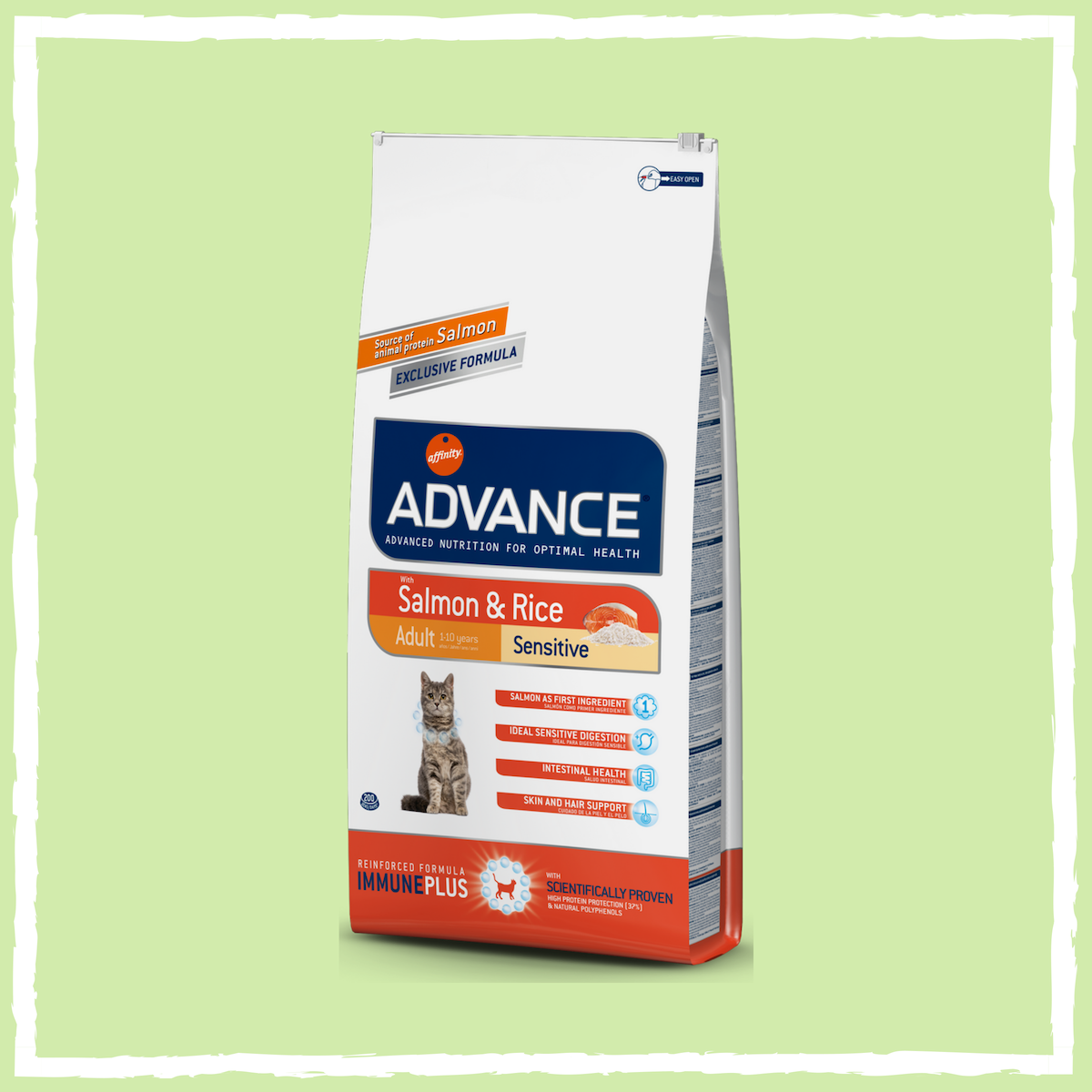
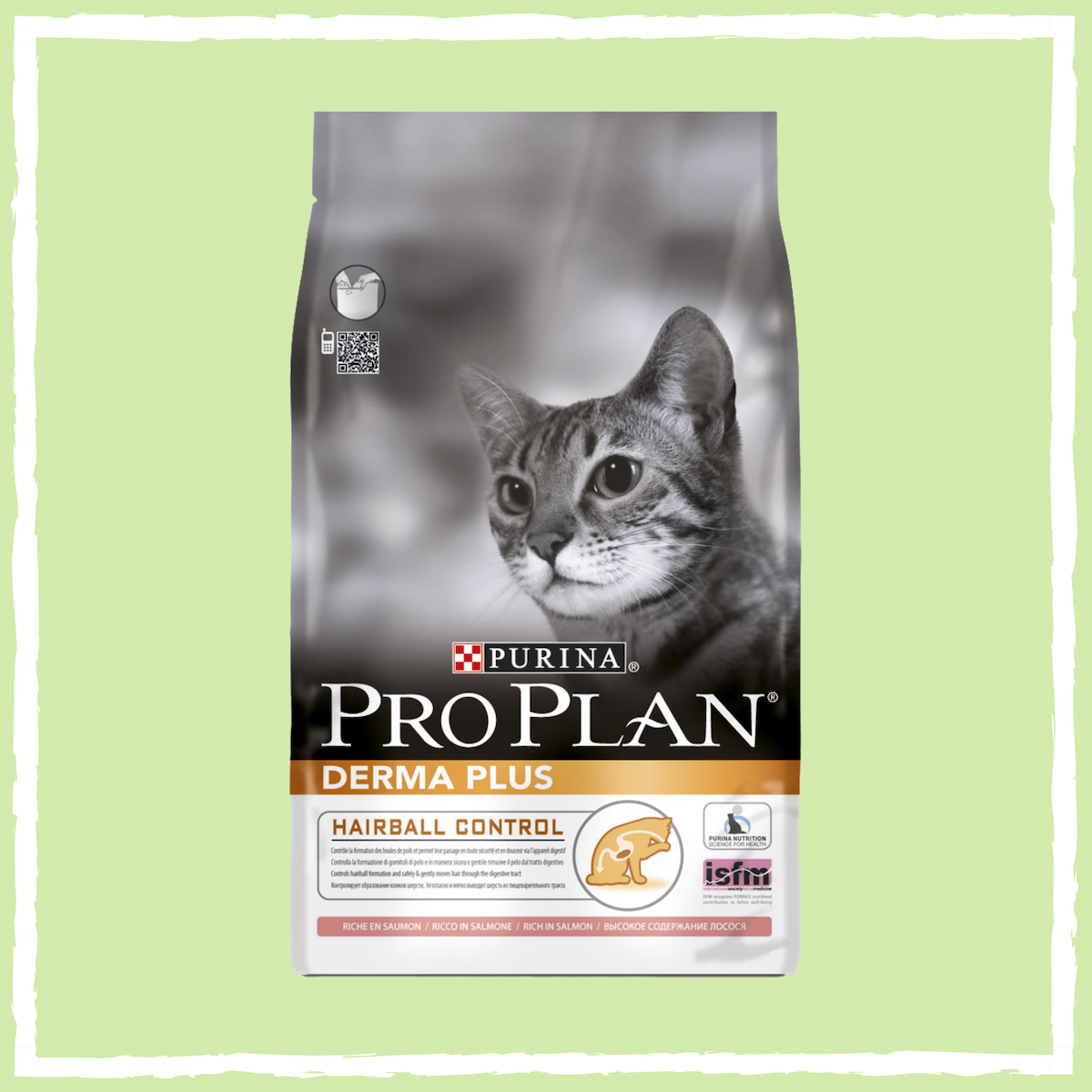
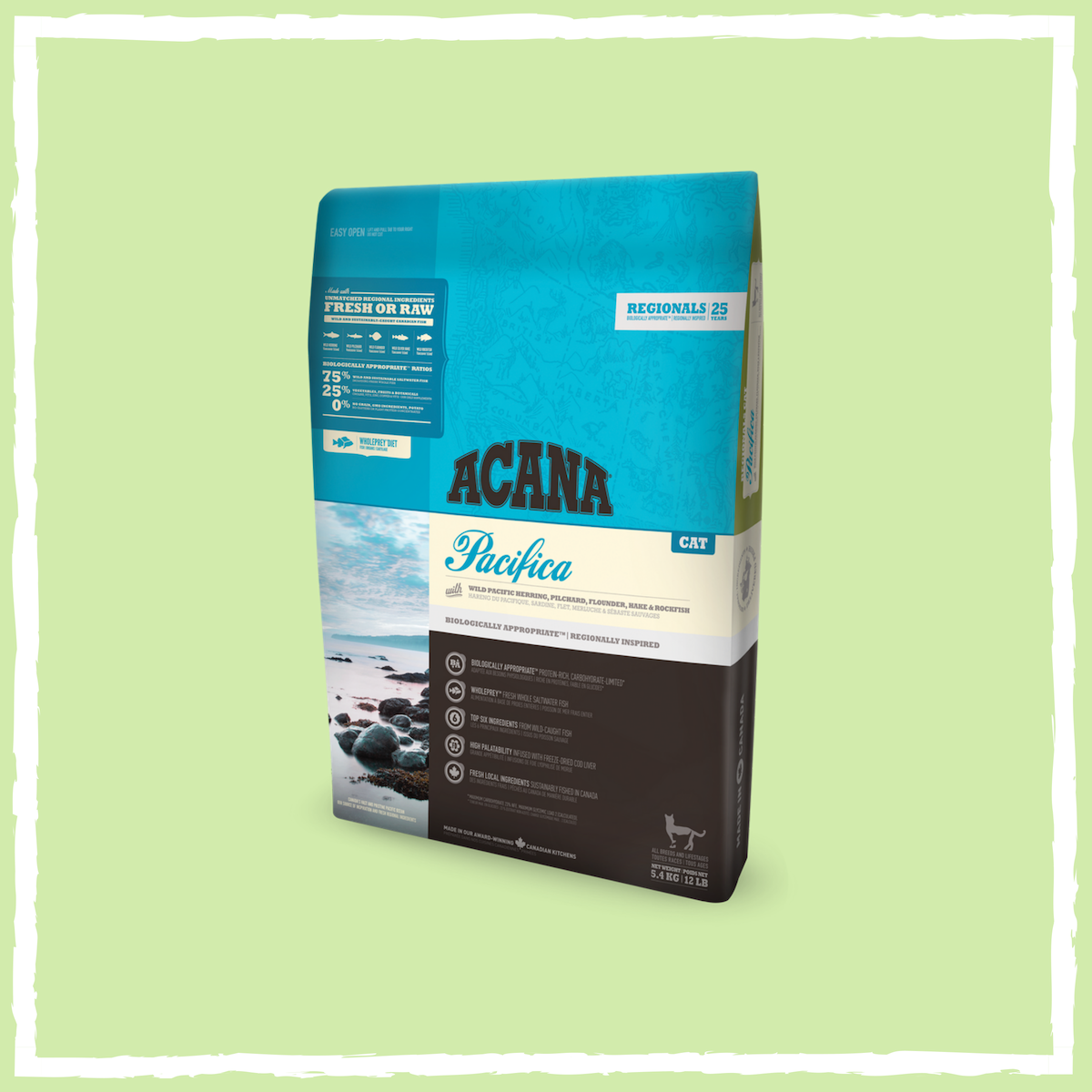
To prevent damage to the skin and fur of our animal, caused by cold weather, we can opt for a fish food, as it has supplements that help keep the fur and skin healthy.

There are several options: dry food, wet food or even supplements.

Products

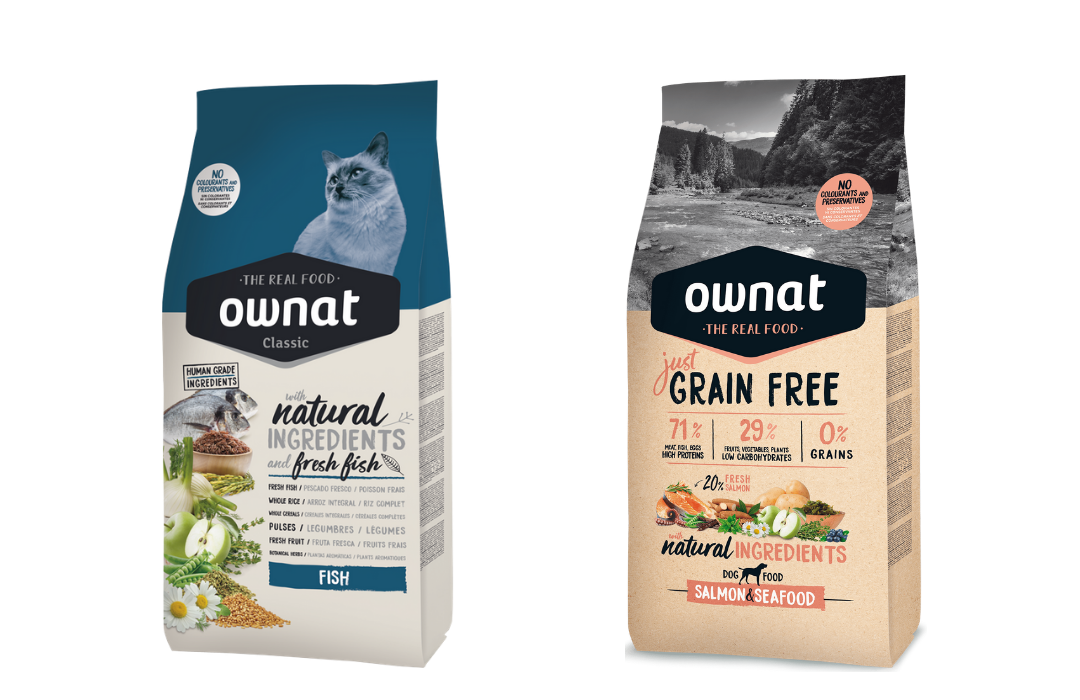
fish feeding

Fish feeds are the best to improve the fur and skin of our animals. Ownat feed is an example of this, with Fish and Salmon Grain Free.

There are several fish foods in addition to feed.


Tip 4 - Pay more attention to hydration

In addition to a diet that helps with the care of their fur and skin, it is essential to ensure that our animals stay hydrated because, like us, they tend to drink less at this time of year.

We should try to make him drink more water, introducing wet food into his diet. A good technique is to mix wet and dry food.

Products

hydration

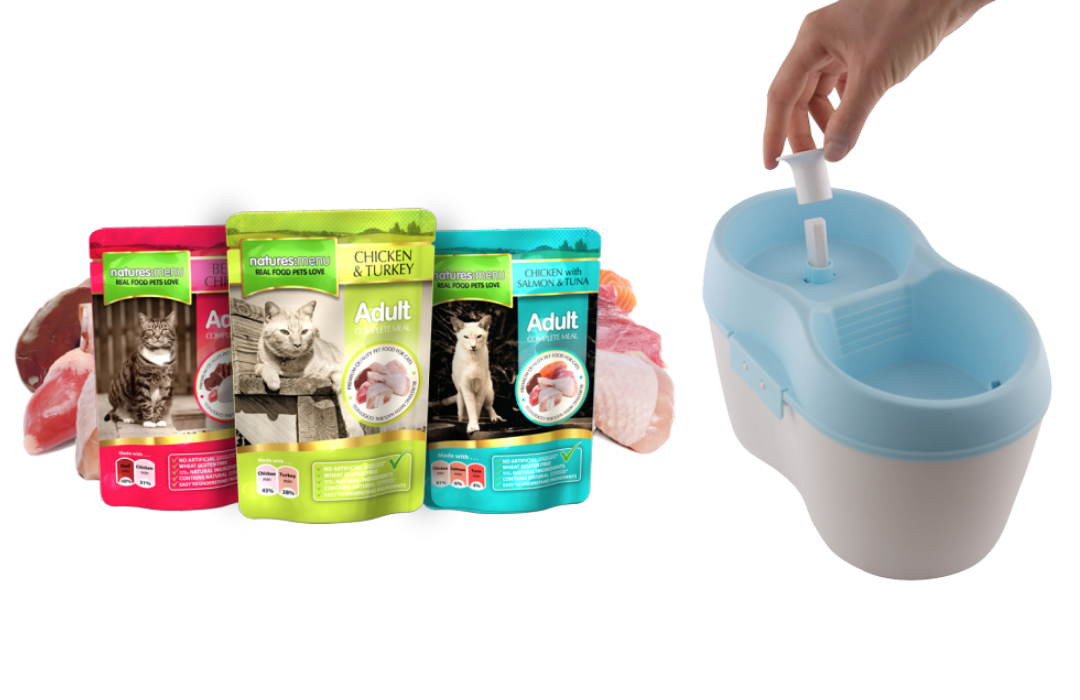
Wet food is an excellent addition to the diet of our bigeyes, so that they ingest more water. Natures:Menu is an excellent example of quality wet food.

A source of H2O water, both for the cat and for the dog , is a great option to make them drink more regularly, in addition to helping with oral hygiene and bad breath with the addition of Dental Care.


Tip 5 - Boost your immune system

With the coming of the cold, this is the ideal time to reinforce the defenses of our little friends.

Multivitamin supplements are perfect for this function, as they help to improve defenses on several levels: improve appetite, metabolism and increase your energy. It can also help with hair and skin quality, heart, liver, urinary, sensory and cognitive health.

Products

multivitamin supplements

We can help strengthen our little friends' defenses:

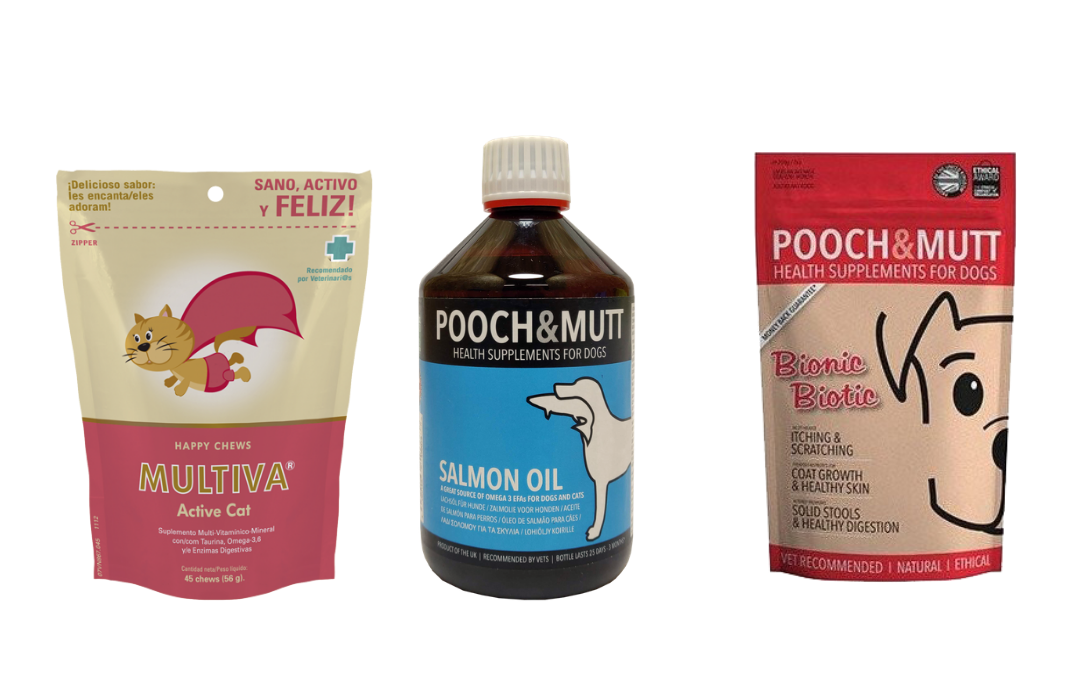
For cats, multiva active cat is recommended by veterinarians for being complete, balanced, effective and safe.

For dogs, Pooh&Mutt's Salmon Oil is a natural supplement for dogs, rich in Omegas 3, 6 and 9, and bionic biotic is a good food supplement to improve skin and coat, digestion and immune boosting.


Tip 6 - Go for a walk in the less cold hours

Since this is the time of year when the days are shorter and the temperature is lower, we should try to take them for a walk during the day, especially if our animal is more sensitive to low temperatures.

If you have rainy weather, protecting them with your own waterproof clothing is ideal.


Tip 7 - Provide more fun at home

For the more energetic animals, cold weather and rain can be a problem as the walks tend to decrease, so the accumulated energy increases.

To reduce the stress of our little friends, we should try to find alternatives, with games and toys that entertain them at home.

Products

More toys, more fun

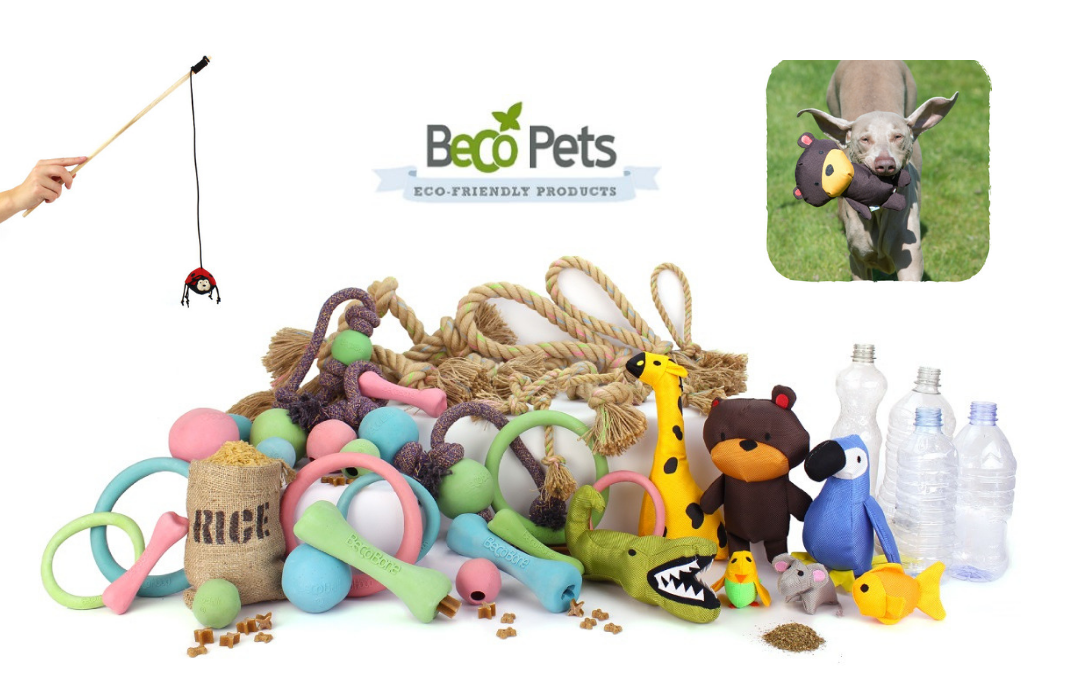
BecoPets toys are the ideas to keep our little friends entertained for hours, indoors. Cat toys have Catnip, the herb that cats love!

In addition, all these toys are environmentally friendly, being created using recycled plastic bottles.

Bruna Fernandes
NewPet Team

Prohibited Foods for Dogs and Cats

Submitted by info on

With the season of food excesses at the door, it is important to be aware that there are foods that are bad for our little friends.

Discover some foods that are harmful to both dogs and cats.


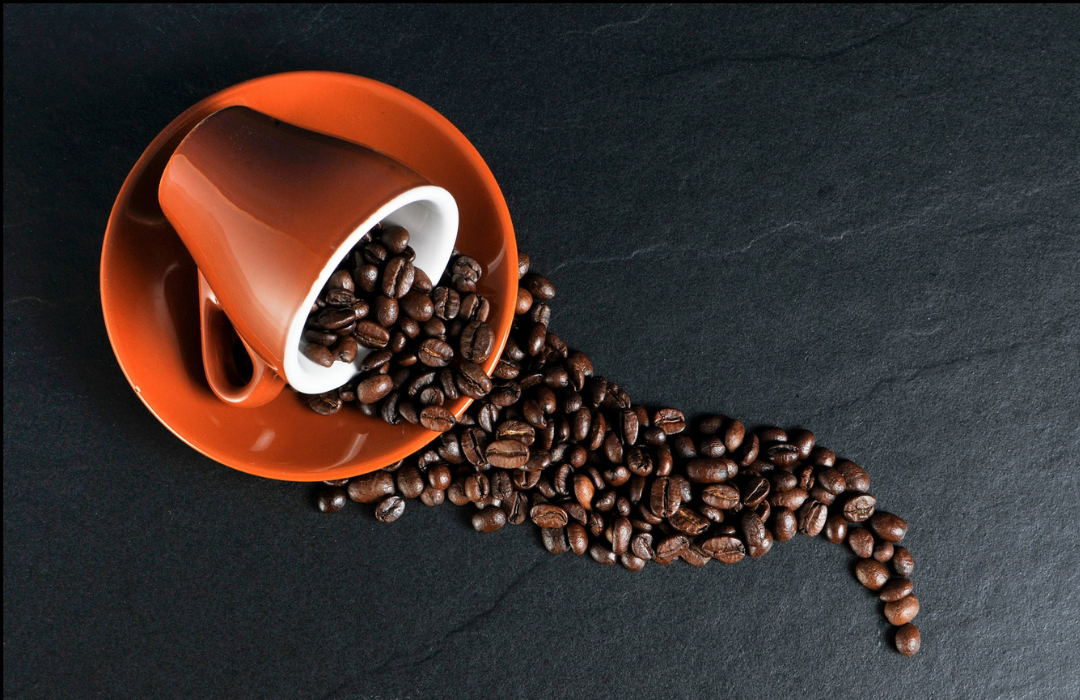
Caffeine

Coffee stimulates the nervous system.

Although, for us, it can be an advantage, in cats it can cause tachycardia and in dogs it can lead to a heart attack or convulsion, running the risk of being fatal.

We should be aware that, in addition to tea and coffee, caffeine can be found in cocoa, chocolate, soft drinks, some cold medicines and pain relievers.


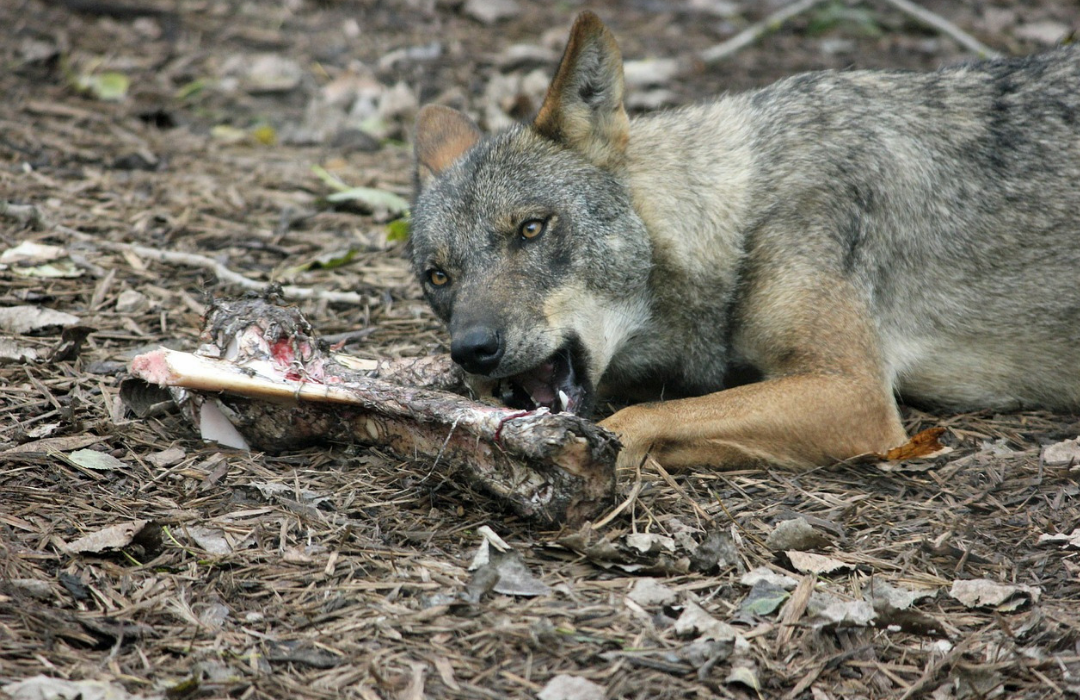
Bones

Bones can be quite dangerous for both dogs and cats. Especially if they are hollow inside, like chickens.

They can cause serious damage, such as puncturing the esophagus, stomach or even the intestine, which can block one of these organs.

We should just give them bones of our own.


Garlic and onion

Despite being foods widely used in the preparation of our food, the truth is that garlic and onions are highly harmful to dogs and cats.

These foods have in their composition a substance that destroys the red blood cells of our little friends, which can cause anemia.

The symptoms of anemia are difficult to detect, we must be aware and take them to the vet in case of suspicion.


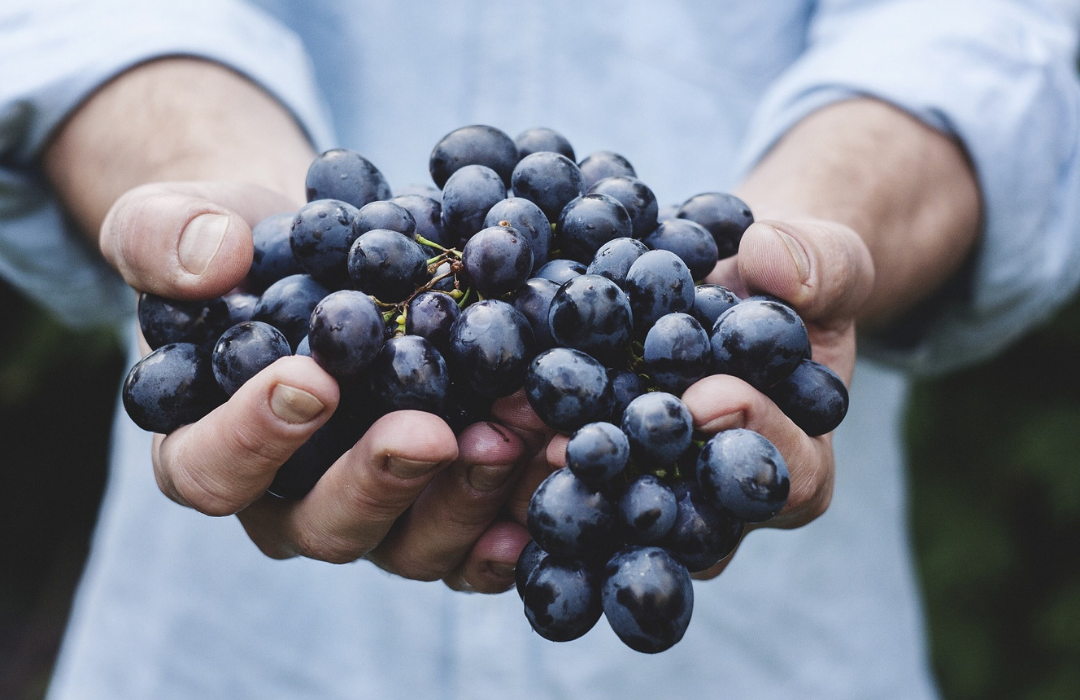
Grape

This fruit has a substance that is toxic to dogs and cats.

If they eat regularly, it is possible that our little friends suffer from kidney failure.

After eating grapes, the symptoms they usually present are vomiting, hyperactivity or diarrhea. In the most severe cases, the kidneys can start to stop working and they stop eating, drinking water and having abdominal pain.


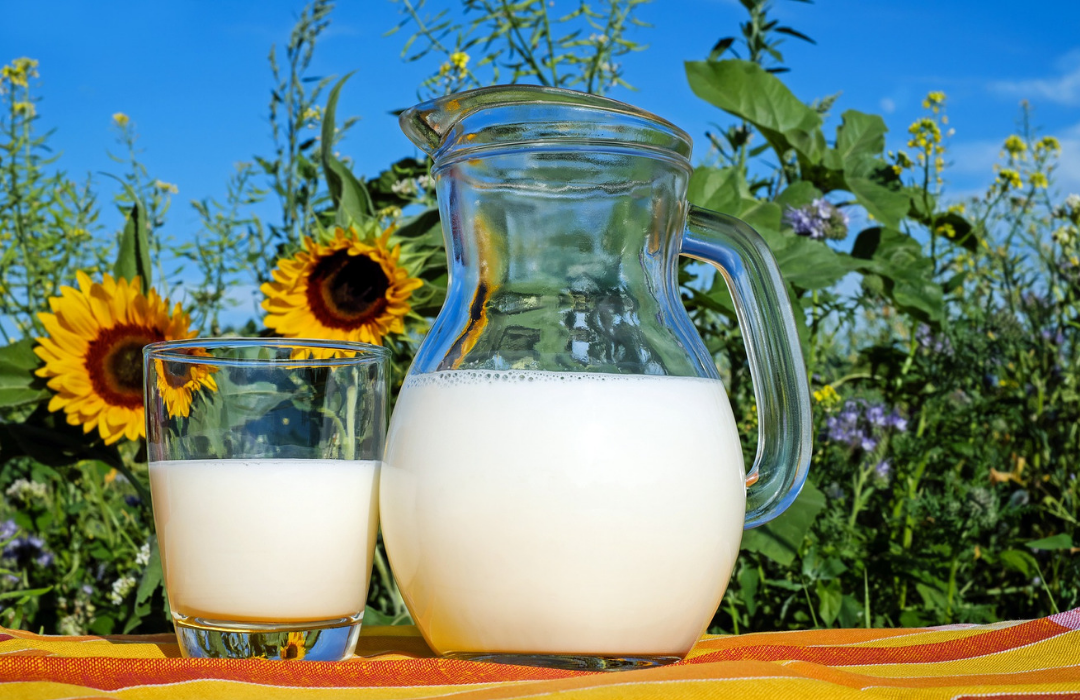
Milk

Both dogs and cats drink breast milk when they are born. But after weaning, milk is no longer necessary for both.

As adults, drinking milk or dairy products can cause diarrhea and other digestive problems.

So you already know: no ice cream for our bigeyes!


The best food for our little friends is the one developed for them.

We can also make homemade food for them, following our own recipes with suitable ingredients.

There are books with recipes for dogs and cats or we can even ask our vet.

Bruna Fernandes
NewPet Team

Christmas and Animals: Care to be taken

Submitted by info on

For many, Christmas is the happiest time of the year.

But for those who have animals at home, it is important to pay extra attention to our little friends.

Know what extra care we should have at Christmas.


Christmas lights

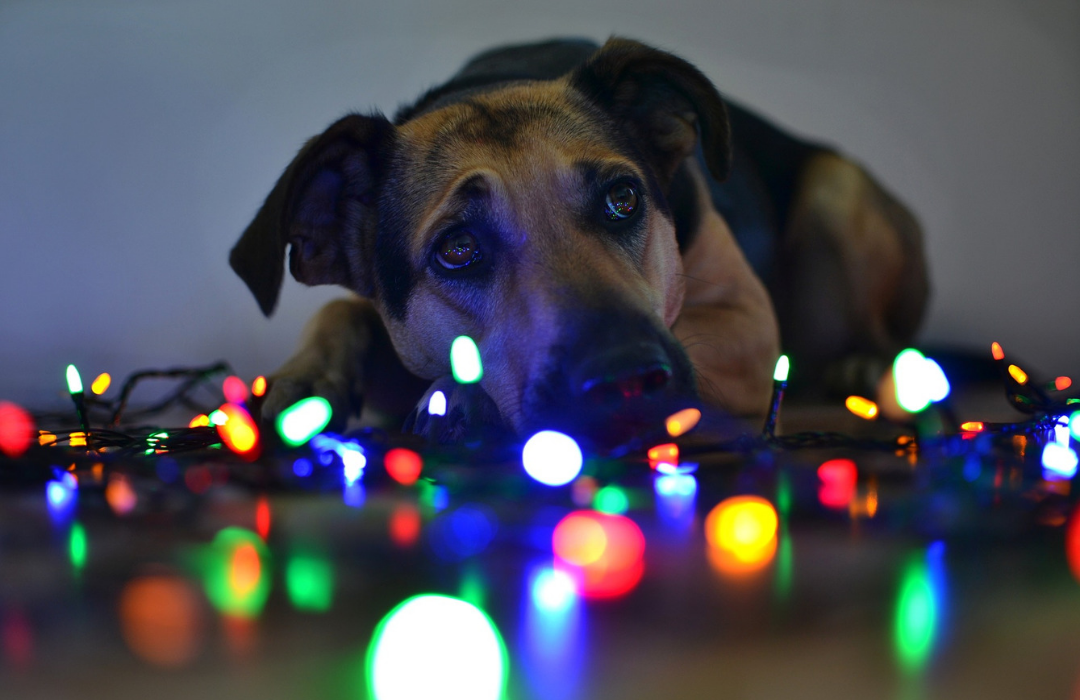
It is at this time that our house is most lit up with Christmas lights. Which also means that triplets and wires all over the house are common and a danger to our animals.

Dogs love to bite everything they find, so you have to be careful, as they run the risk of suffering an electrical shock. On the other hand, cats, being very curious, like to lick and scratch, and can be a danger with the sockets.


Christmas tree and gifts

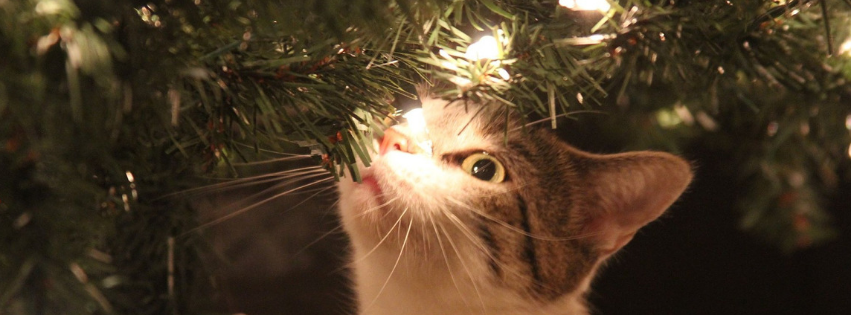
The Christmas tree is one of the cat's favorite places. They love to climb it, so the challenge will be to keep our Christmas tree up. Dogs are also big fans of pulling branches, so we must be careful not to tip over and injure themselves.

The gifts placed under the tree pique the curiosity of our little friends. Gift ribbons can be dangerous. They are easy to remove and swallow.


Candles

We have to pay particular attention to cats, who like to climb everywhere and are curious about everything they see.

If they recklessly approach the candles, they run the risk of being burned and can suffer severe burns.


Christmas food

Christmas is also synonymous with food: sweets, fried foods and spicy food are a must in our homes.

But for our animals, Christmas food means intestinal problems. Chocolate is one of the top prohibited foods for dogs and cats as it is toxic to them and can cause serious problems.


Celebrations and Noises

For animals who are afraid of noise, Christmas celebrations can be traumatic. Fireworks, firecrackers or pot lids are common noises on party days that can cause panic in the most frightened dogs and cats.

These situations, in addition to upsetting them, can make them confused and run away without guidance, with the danger of getting lost.

Although Christmas is a time of joy, we must pay special attention to dangerous situations that can affect our little friends.

We wish you all happy and safe holidays.

Bruna Fernandes
NewPet Team